Star Wars fans know when something feels off in the best or worst way. Lucasfilm’s latest move falls into that category. Nothing about it is being presented like a dramatic reset, yet there is still a sense that the franchise is edging away from its usual comfort zone.
That is what gives this new release so much intrigue.
On paper, it checks some familiar boxes. It belongs to the Star Wars universe. It centers on a character fans already know. It adds another title to the Disney+ lineup. But the deeper idea behind it points to something more unusual. The tone is more grounded. The conflict is more local. The genre itself pushes away from what Star Wars usually places front and center.
That is not the sort of change fans can ignore for long.

The Core of Star Wars Has Always Been Big and Mythic
For so many fans, Star Wars works because it feels mythic. The stories almost always revolve around giant conflicts that seem to shape the future of entire worlds. Whether it is the original trilogy or the prequel era, the formula has been clear: major forces collide, heroes and villains rise, and everything feels bigger than one person.
That scale matters.
Fans love the ships, the lightsabers, and the iconic imagery, but they also love the way Star Wars makes every struggle feel massive. Even quieter scenes usually feed into a much larger conflict. That has long been one of the franchise’s strongest defining traits.
Which is exactly why this latest project stands out. Lucasfilm is not throwing that identity away completely, but it is stepping far enough outside it to get people talking.

Disney+ Changed the Way Lucasfilm Could Tell Stories
Streaming opened up new possibilities for Star Wars. Once Disney+ became part of the picture, Lucasfilm no longer had to rely solely on feature films to expand the universe. It could tell stories that were more focused, more character-driven, and more flexible in format.
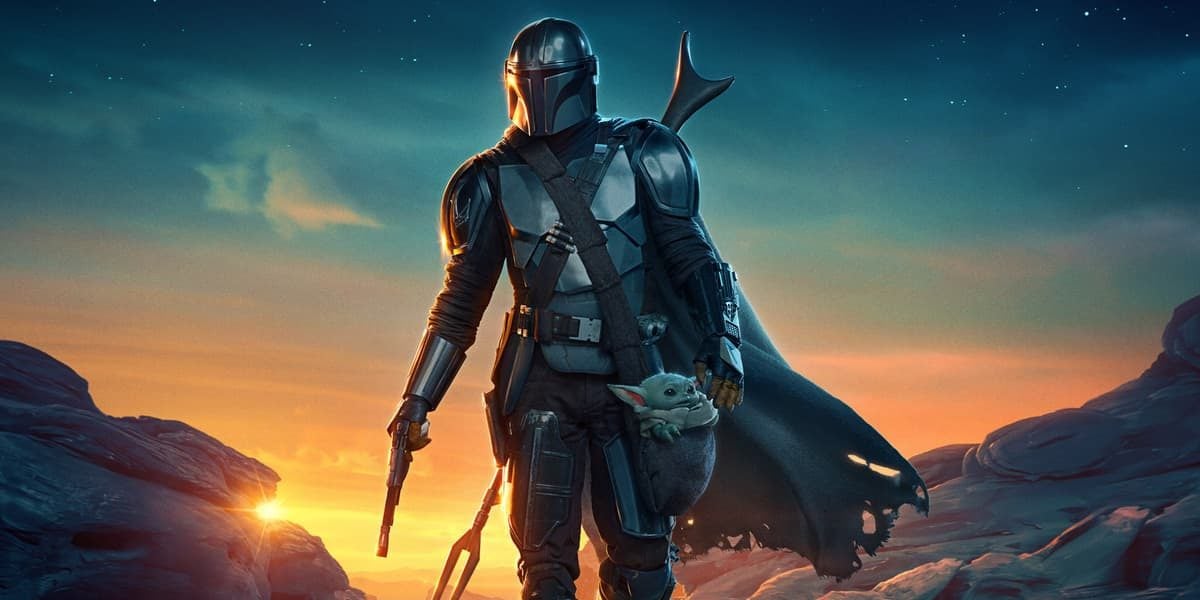
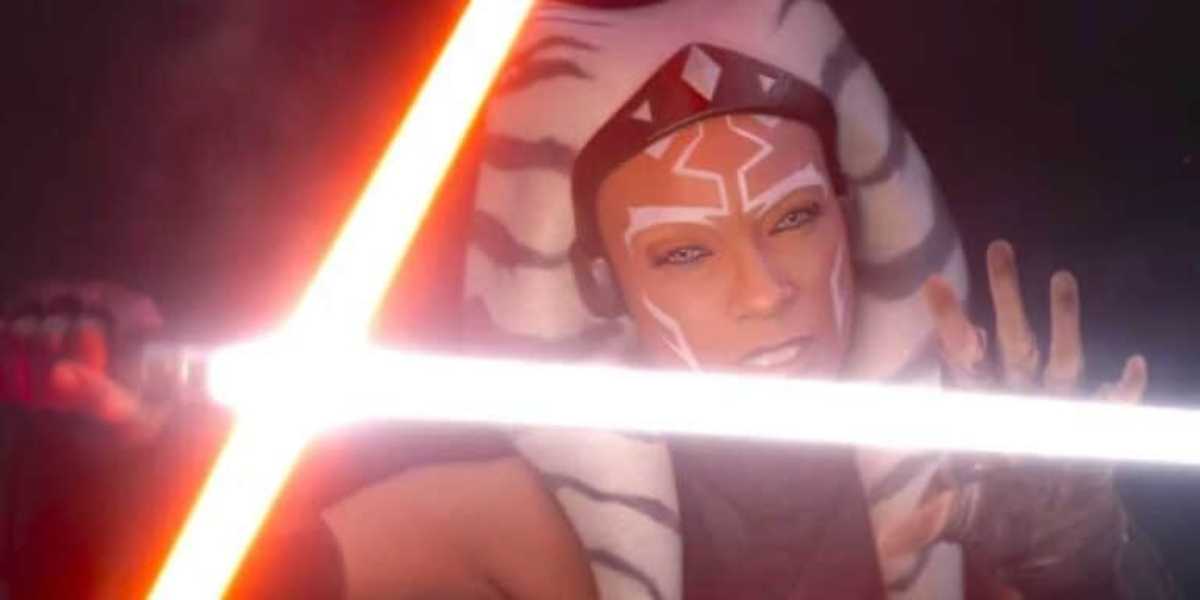
That worked out well with The Mandalorian and Ahsoka. Those series proved Star Wars could live comfortably on the small screen while still feeling cinematic. They introduced fresh characters, built on older ones, and kept the franchise’s larger-than-life feel intact.
But that same flexibility also created room for Lucasfilm to try something a little riskier.
That is where the next show comes in, and that is where the tone of the conversation starts to shift.
Maul – Shadow Lord Pushes Into a Different Space
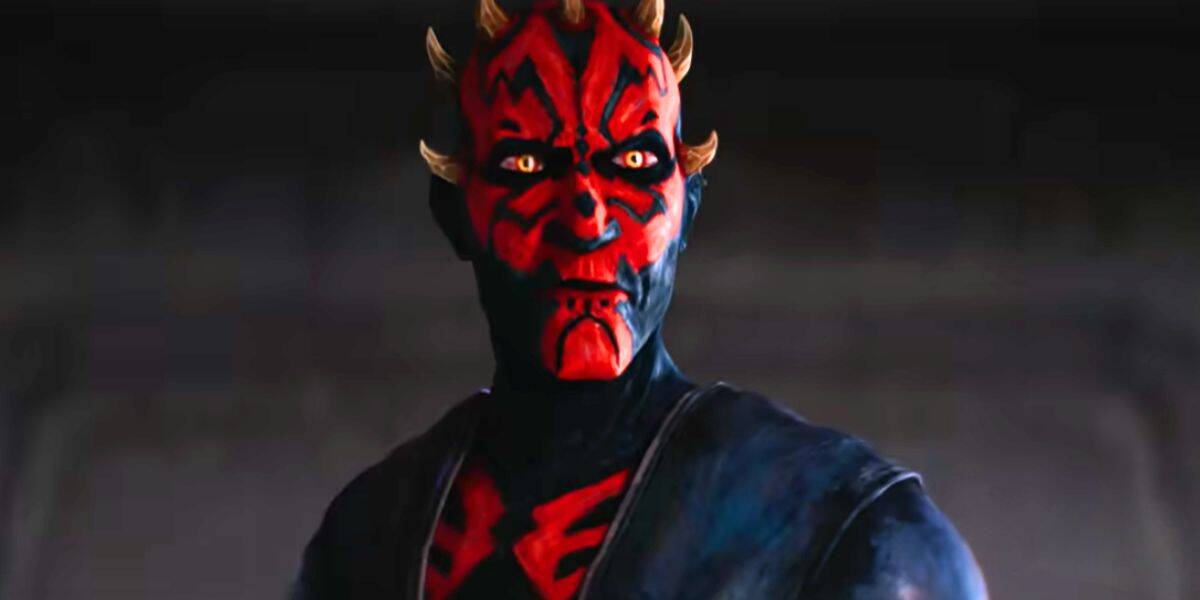
Star Wars: Maul – Shadow Lord premieres on Disney+ on April 6, and while Maul is hardly a new face, the kind of story built around him this time feels different from the start. The series continues his path after The Clone Wars and follows him deeper into the criminal side of the galaxy.
That change in focus does a lot of work.
Instead of centering on galaxy-shaping clashes between rival powers, the show appears to narrow in on crime, pursuit, and underworld tension. It keeps the futuristic sci-fi atmosphere Star Wars fans expect, but frames that world through a more street-level lens and in a cyberpunk setting.
That alone would make the series stand apart. But the bigger difference comes from the kind of story it wants to tell.
Crime, Pursuit, and a New Formula
Rather than building around the classic Jedi-versus-Sith setup, Maul – Shadow Lord leans into a “cops-and-robbers” approach. That puts Maul in direct conflict with authorities chasing him, including Brander Lawson and Two-Boots.
That kind of setup gives Star Wars a different pulse.
The franchise has touched on criminal activity before, but not usually in a way that makes crime and law enforcement the show's core engine. That is why this release feels like a real genre shift. The official categorization backs that up, too. Along with action, adventure, animation, and science fiction, the series also carries a crime label.
Compared with shows like The Clone Wars, Rebels, and The Bad Batch, it stands out right away. Those series stayed much closer to Star Wars’ established storytelling lane. This one seems ready to carve out another path.
Add Sam Witwer as Maul and a cast that also includes Wagner Moura, Richard Ayoade, and Gideon Adlon, and Lucasfilm clearly isn't treating this like a routine addition.

Why This Release Feels Bigger Than It Looks
That is really the key here. Maul – Shadow Lord is not just arriving as another Star Wars show. It feels like a test of how much room Lucasfilm has to reshape the franchise while still keeping it recognizable.
Some fans will see that as exciting. Others may think it pushes the brand too far from what made it special in the first place. Both reactions make sense, especially with a franchise this established.
Still, Lucasfilm seems ready to find out where that line is. And if this more crime-focused, grounded approach lands with audiences, Star Wars could keep moving into areas that once felt outside its usual identity. That is why this release matters more than it might seem at first.