As The Walt Disney Company restructures its operations in response to shifting industry conditions, fallout from recent layoffs is beginning to surface publicly—most notably through criticism from within the Marvel family itself.

For years, Marvel Studios has operated like a well-oiled machine, delivering interconnected stories with a distinct visual identity that helped redefine franchise filmmaking. That success was built not only on headline talent but also on teams working behind the scenes to bring each world and character to life.
Now, that foundation appears to be undergoing a significant overhaul.
Disney recently implemented layoffs affecting roughly 1,000 employees across various divisions, part of a broader effort to streamline the company’s structure and curb long-term costs. The move comes under CEO Josh D’Amaro as Disney adjusts its strategy following an era of rapid growth fueled by streaming and franchise expansion.

Among the most striking developments is the reported elimination of Marvel’s visual development team. This group has been responsible for crafting the look of the MCU, from costume designs to entire environments that define each film’s tone.
The layoffs are said to have impacted about eight percent of Marvel’s workforce, including experienced artists who played a role in shaping the franchise’s signature style. For a studio known for its visual consistency, the loss of such a team represents a dramatic shift.
The decision follows a period of unprecedented growth for Marvel. After Avengers: Endgame became a global phenomenon in 2019, the studio expanded its output significantly, producing both theatrical releases and Disney+ series at a rapid pace.
While that expansion initially appeared successful, more recent entries have seen mixed reception, both critically and commercially. At the same time, audience appetite for superhero content has shown signs of cooling, prompting discussions about oversaturation.

Disney’s response has been to scale back, focusing on fewer releases each year and giving projects more time in development. The aim is to restore the sense of anticipation that once made each Marvel release feel like a major event.
However, the layoffs introduce a contradiction: pursuing higher-quality storytelling while reducing the creative workforce that helps deliver it. That contradiction has not gone unnoticed. Evangeline Lilly, who portrayed Hope van Dyne in the Ant-Man films, took to social media to criticize the company’s actions after learning that Andy Park had been affected.
Park’s contributions to the MCU include designing key characters such as The Wasp, making him a significant figure in the franchise’s creative process.
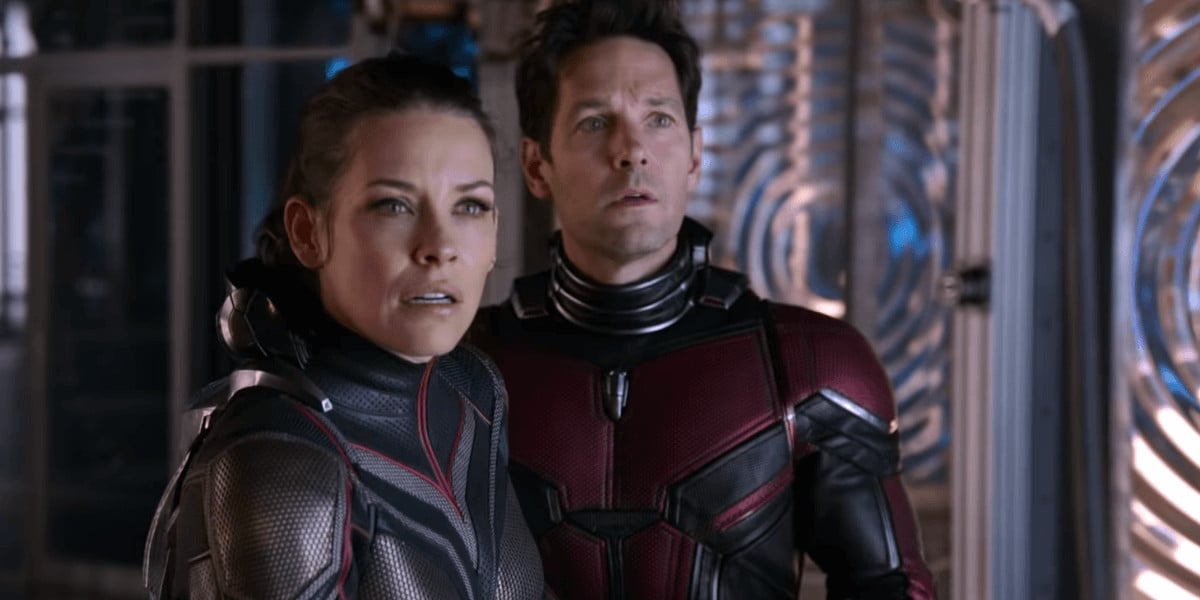
Lilly shared the following statement:
“Where are the laws that REMOVE all human art from the AI bank?!? Why do they get to steal our brilliance and use it to make executives rich while the artists responsible for feeding their robots go hungry?? Disgusting. California lawmakers…where are you?!?!?
To the @marvelstudios artists who designed and brought to life the glory days of Marvel…I salute you 🫡. I was there. I know what you did. I know how passionately you worked round the clock to make magic happen. You are the magicians, no matter what the Wizards of our new Oz make it look like going forward. I will never forget.
@disney SHAME ON YOU for turning your back on the people who built the power you are now using to throw them away.
Fans, please share the love with @andyparkart Tell him how much his art has meant to you over the years. He was responsible for designing SO many of your fav @marvelstudios characters
@producer.patrick Thank you for spreading the word. Everybody please check out his full post (you can click through in my stories).
#AI #art #artists #resist #boycottdisney”
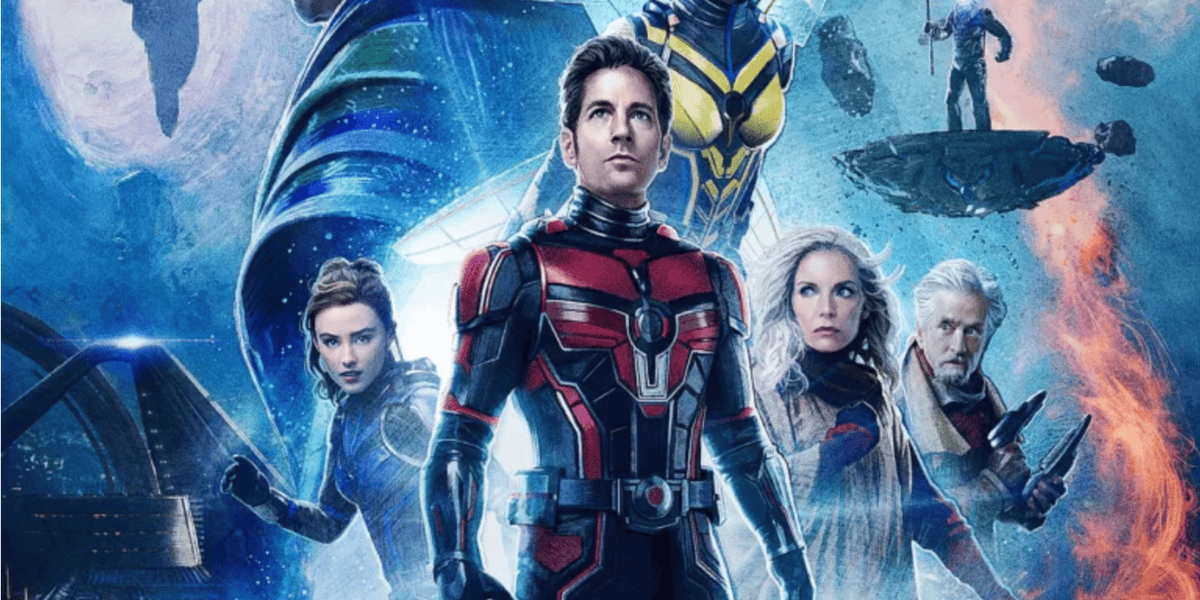
Her comments highlight frustration not only with the layoffs but also with what she describes as a broader disregard for the artists who contributed to Marvel’s rise. By invoking the franchise’s “glory days,” Lilly suggests a belief that the studio is moving away from the practices that once defined it.
Another key element of Lilly’s response is her concern about artificial intelligence. While Disney has not directly linked its layoffs to AI, the timing has fueled speculation about how emerging technologies might influence production decisions.
Across the entertainment industry, AI is increasingly being explored as a tool for filmmaking. Supporters see efficiency and innovation, while critics warn of potential job displacement and a decline in originality.
Lilly’s remarks reflect a growing unease among creatives who worry that cost-cutting measures could lead to a diminished role for human artistry—something that has been central to the MCU’s appeal. The current situation marks a pivotal moment for both Disney and Marvel. After years of expansion, the company is entering a phase defined by caution and recalibration.

For Disney, the challenge lies in balancing financial discipline with the need to maintain its creative edge. For Marvel Studios, the question is whether it can adapt to changing conditions without losing the elements that made it a cultural force.
As new films and series move forward under this revised strategy, the results will likely shape the future of the franchise—and possibly influence how other studios approach similar challenges.
For now, the industry is watching closely as one of Hollywood’s most successful franchises navigates a period of uncertainty, with both fans and insiders weighing what these changes could mean for the next chapter of the Marvel Cinematic Universe.
Do you agree with what the Ant-Man actor has said? Let us know in the comments down below!