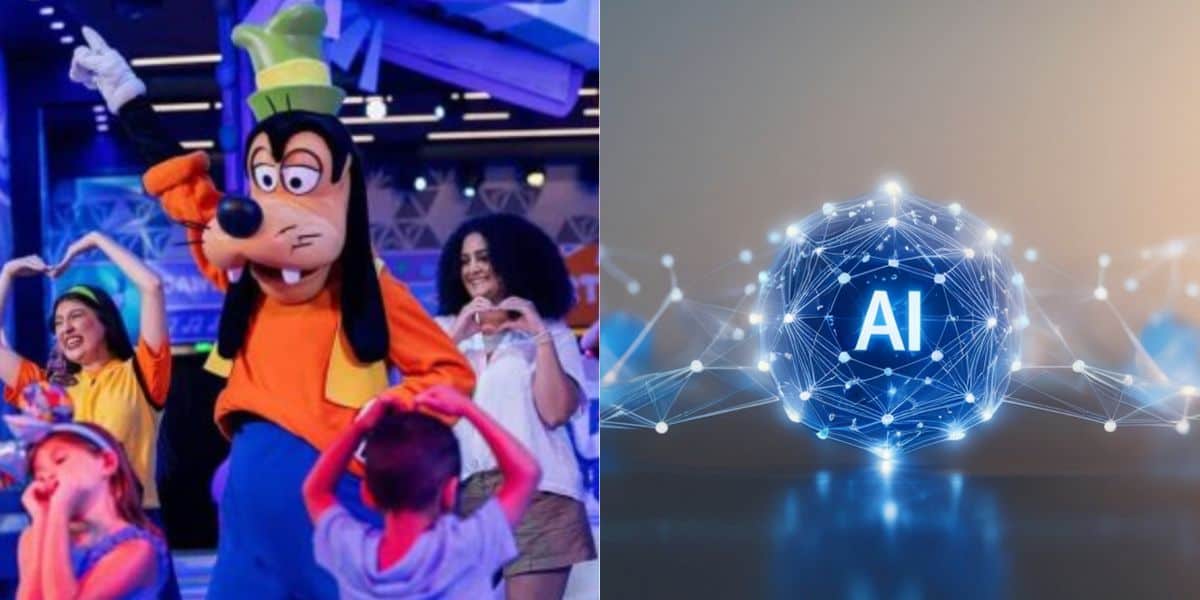
Artificial intelligence is no longer something companies can ignore. It’s changing how stories are told, how platforms operate, and how audiences connect with content.
Disney understood that early.
With a library that spans generations, the company has been exploring how AI could extend its storytelling into new formats. There were clear signs that Disney was preparing to take a bigger step into that space.
But just as that strategy started to take shape, things shifted.
A key partnership that once pointed toward a new direction has now come to an end, forcing Disney to rethink its next move.
The Vision Behind the Sora Deal
The turning point came in December 2025, when Disney partnered with Sora, OpenAI’s video-generation platform.
The agreement allowed Disney characters to be used in Sora, enabling users to create short, prompt-based videos. These clips could then be shared, creating a new kind of fan-driven content ecosystem.
It wasn’t just about short videos.
The deal also suggested deeper collaboration, including plans to bring curated AI-generated experiences to Disney+. That raised the possibility of a more interactive streaming environment where content feels more personalized.
For Disney, it was a chance to experiment with AI while still maintaining control over its brand.

Why That Vision Didn’t Last
The partnership’s potential quickly ran into real-world challenges.
OpenAI announced that it would shut down the Sora app and move away from its current video-generation approach. The decision followed ongoing concerns from Hollywood over how intellectual property and likeness rights were handled.
Sora debuted in late 2024 and gained broader visibility throughout 2025. As more users engaged with the platform, concerns from studios and talent became harder to ignore.
Even with added safeguards, the issues persisted.
OpenAI ultimately decided to move on, bringing the Sora app to an end and leaving its future in video uncertain.

Disney’s Next Move
With Sora no longer a viable partner, Disney stepped away from the deal.
That agreement included a planned $1 billion investment and licensing terms for Disney’s characters. Without a stable platform, continuing the partnership no longer made sense.
However, Disney’s response made one thing clear: the company isn’t abandoning AI.
Instead, it’s taking a more measured approach, focusing on finding solutions that align with its long-term priorities. Protecting intellectual property and maintaining creative control remain at the center of that strategy.

The Bigger Opportunity Ahead
While one partnership has ended, the opportunity hasn’t disappeared.
Disney still has multiple ways to bring AI into its ecosystem.
On Disney+, AI could drive more advanced personalization, helping users discover content in new ways. It could also support interactive storytelling experiences that stay within controlled boundaries.
In the parks, the potential is even more visible.
The roaming Olaf at Disneyland Paris shows how far Disney has already pushed character interaction. AI could build on that, allowing characters to engage with guests in more dynamic ways.
Attractions could also evolve, adjusting elements in real time to create more immersive experiences. Behind the scenes, AI could help improve efficiency across crowd management and ride operations.
And instead of relying on a single partner, Disney could spread its investments across multiple AI providers, reducing risk while expanding its capabilities.

Not an Ending—A Redirection
The end of the Sora partnership might seem like a setback, but it’s better viewed as a turning point.
Disney got a glimpse of what AI could offer, along with the challenges that come with it.
Now, the company has the opportunity to move forward with a clearer strategy—one that balances innovation with control.
Disney’s AI future isn’t gone. It’s simply changing direction.
And that shift may ultimately lead to something even more sustainable.