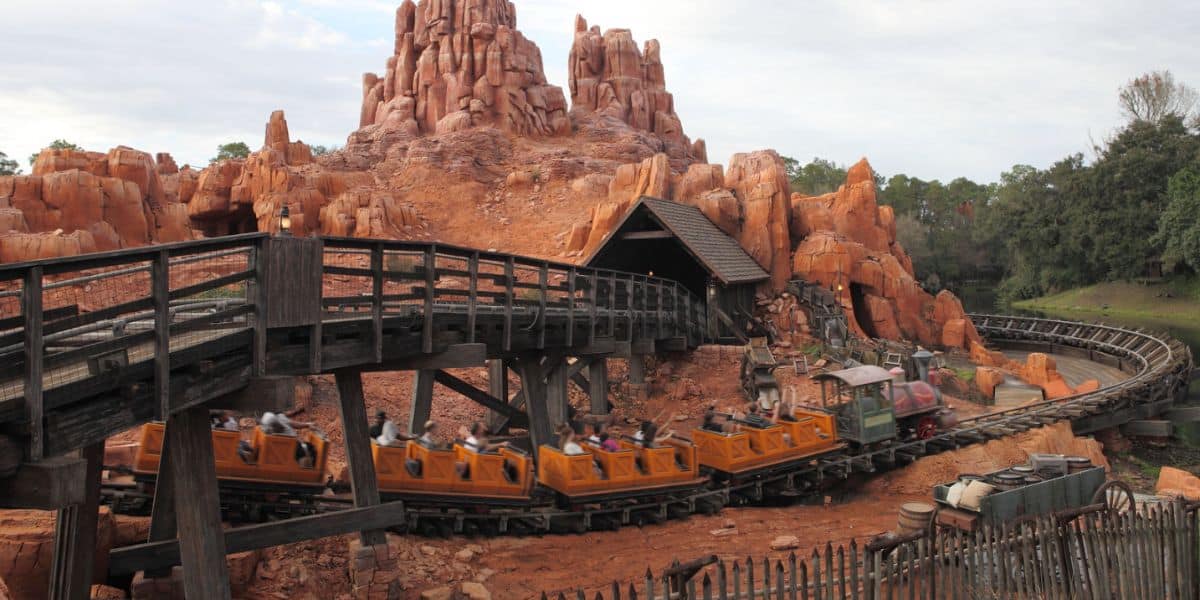
On May 3, 2026, Frontierland was supposed to be the site of a triumphant return. After a grueling 16-month refurbishment—the longest in the attraction's history—Big Thunder Mountain Railroad was finally set to unveil its “Motherlode” finale and buttery-smooth new track to a “sea of people” who had waited over a year for the privilege.

But as the sun set over the Magic Kingdom, the “Wildest Ride in the Wilderness” earned its name for all the wrong reasons. A day that began with 120-minute wait times ended with plumes of smoke, fire extinguishers in the loading station, and a frantic evacuation of the mountain. Now, a growing chorus of critics and theme park insiders is pointing the finger at a controversial decision by Disney management: the total lack of soft openings for the revamped coaster.
The Twitter Firestorm: No Safety Net for the Mountain
The controversy reached a boiling point following a viral social media post highlighting the stark difference between this reopening and previous Disney launches. Typically, when a major attraction undergoes a massive overhaul, Disney utilizes a tiered preview system.
From cast member previews and Annual Passholder events to “soft openings” (unannounced hours where the ride is tested with general guests), these phases allow Imagineers to stress-test the system under “real-world” conditions.

However, for Big Thunder Mountain, Disney decided to flip the switch from “Construction Zone” to “Grand Reopening” in a single night.
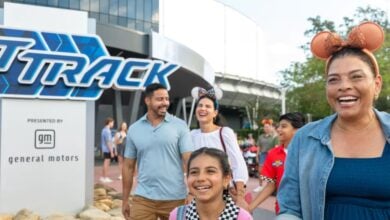
Unlike the launches of TRON Lightcycle / Run or Tiana’s Bayou Adventure, which saw weeks of previews to iron out technical kinks, Big Thunder went in cold. According to analysts at Disney Before & After, the lack of a “buffer” period meant that the high-stress throughput of a 200-minute standby line was the very first time the new hardware was truly pushed to its limit. Yesterday’s fire was, in the eyes of many, the predictable result of a system that wasn't stress-tested.
Mayday in the Mine: What Happened on Reopening Day?
The day began with historic crowds. By mid-afternoon, the line for Big Thunder Mountain stretched nearly to Liberty Square. But around 4:45 p.m., the “Magic” took a terrifying turn.
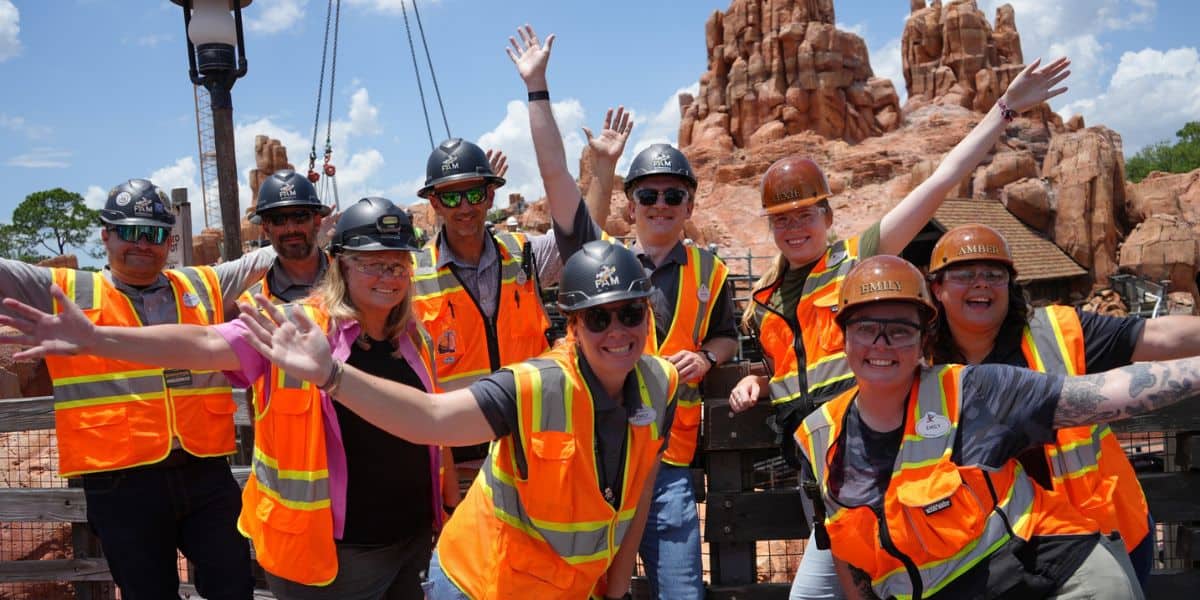
According to guest reports and footage captured at the scene, smoke began billowing from the load/unload station. The ride immediately hit an “emergency stop” (E-Stop), leaving guests stranded on the tracks in the sweltering Florida heat. A cast member was seen utilizing a fire extinguisher on the track in the loading area to suppress what appeared to be an electrical or mechanical fire.
While no injuries were reported, the sight of a fire extinguisher being deployed on an attraction that had just finished a year-long safety overhaul was jarring. The ride remained closed for over four hours, finally reopening around 10:20 p.m.—far too late for the thousands of guests who had already abandoned their 210-minute wait in heartbreak.
The Theory: Why 16 Months Wasn't Enough
How can a ride be closed for 16 months and still fail on day one? The answer lies in the difference between “testing” and “operating.” During the refurbishment, Imagineers replaced every inch of the track and installed a massive new “Motherlode” finale and Rainbow Caverns update.

While the ride likely ran thousands of empty cycles at night, empty trains don't simulate the true weight, heat, and friction of a fully loaded 12-hour operation. By skipping a soft opening, Disney missed the opportunity to identify:
- Power Grid Stress: The new “Motherlode” finale features massive LED arrays and localized vibration haptics that may have overloaded electrical components.
- Braking and Friction: New tracks “run hot” until they are properly broken in. Running at maximum frequency with full guest loads for the first time on “Grand Reopening Day” is a recipe for mechanical overheating.
Conclusion: A Lesson in “Magic” vs. Reality
The decision to skip soft openings is being called a “management gamble” that backfired. By bypassing the soft-opening phase, Disney potentially saved on staffing costs and avoided “spoilers” of the new finale leaking early. Still, it came at the cost of the ride’s operational integrity and guest trust.

As the mountain rumbles back to life today, the question remains: Was the fire a freak accident, or the inevitable outcome of rushing a “Wildest Ride” before it was truly ready for the wilderness? For those who spent their entire vacation day in a 120-minute line only to see a fire extinguisher, the answer is already clear.