

For months, Epic Universe has felt less like a new theme park and more like a glimpse into the future of themed entertainment itself. From the moment guests step beneath the towering Chronos portal and enter Celestial Park, there’s a feeling that Universal Orlando wasn’t simply trying to build another gate—it was trying to reinvent how people move through a park entirely.
Now, fans are beginning to realize just how serious Universal may be about that idea.
What started as subtle operational testing during limited previews and conference events is suddenly becoming far more visible inside the park itself. Guests visiting The Wizarding World of Harry Potter – Ministry of Magic are reportedly encountering new photo validation kiosks directly inside the portal entrance area, where facial scans are being used to confirm admission eligibility for that specific day.
For longtime theme park fans, this feels significant. Not because facial recognition technology is entirely new, but because of what it appears to signal about the future structure of Epic Universe—and the possibility that Universal is preparing the park to function very differently from anything Orlando has seen before.
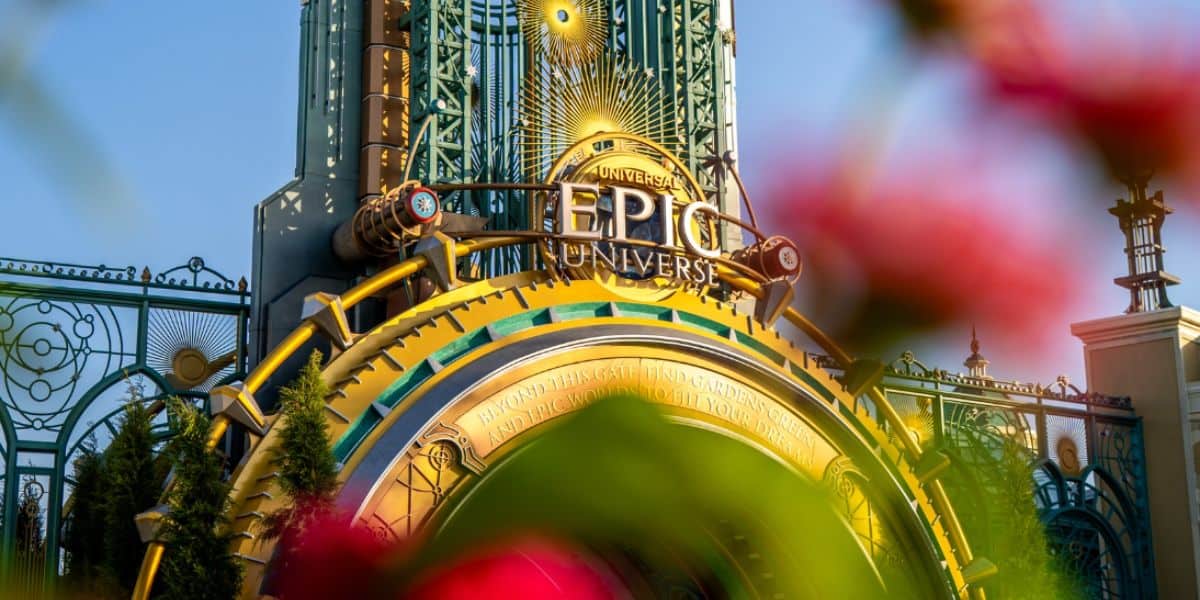
Universal May Be Quietly Reshaping the Entire Epic Universe Experience
According to multiple guest reports and industry sources, Universal Orlando is actively testing what it calls an “Open Hub” concept at Epic Universe. The idea fundamentally changes how access to the park could work moving forward.
Photo validation is being tested at Ministry of Magic at Epic Universe
Photo validation is being tested at Ministry of Magic at Epic Universe 🔱🔱 pic.twitter.com/79jtoh49bl
— YoBentley (@Bentleys_Enigma) May 22, 2026
Instead of requiring every visitor to purchase a full theme park ticket, Universal may allow guests to freely enter Celestial Park—the massive central hub filled with restaurants, shops, gardens, entertainment, and nighttime atmosphere—while restricting access to the immersive themed worlds through ticket validation checkpoints inside the portals themselves.
Fans are already reacting to the implications.
Unlike traditional theme park layouts, Epic Universe was designed with Celestial Park functioning as the emotional and physical centerpiece of the resort. It’s not simply a walkway between lands. It’s an experience of its own, filled with dining, fountains, bars, live entertainment, and open gathering spaces that feel intentionally built to attract lingering crowds long after attractions close.
In many ways, it resembles a next-generation version of Universal CityWalk—but embedded directly inside a theme park environment.
That distinction matters.

Guests Suddenly Found Themselves Being Verified at Portal Entrances
The recent testing inside the Ministry of Magic portal appears to confirm long-running speculation about how Universal planned to operationally separate Celestial Park from the park’s ticketed immersive worlds.
Facial recognition scanners are being tested at the Wizarding World of Harry Potter: Ministry of Magic! – @SpeculationMatt on X
Facial recognition scanners are being tested at the Wizarding World of Harry Potter: Ministry of Magic! @UniversalORL pic.twitter.com/NMgtRCUXIT
— HHNSpeculationMatt (@SpeculationMatt) May 22, 2026
Guests reportedly scanned themselves at kiosks within the portal itself, allowing facial recognition systems to verify ticket entitlement before granting entry into the land.
That means the portals are increasingly behaving less like decorative transitions and more like controlled access gateways.
Fans are noticing how dramatically this changes the psychology of the park experience.
Instead of one ticket unlocking everything upon entry, Epic Universe may eventually operate more like a layered entertainment district where guests fluidly move between free-access and premium-access spaces throughout the day.
For some visitors, that sounds exciting and modern.
For others, it raises concerns about friction, crowd flow, privacy, and whether the magic of spontaneous exploration could become overly dependent on technology checkpoints.
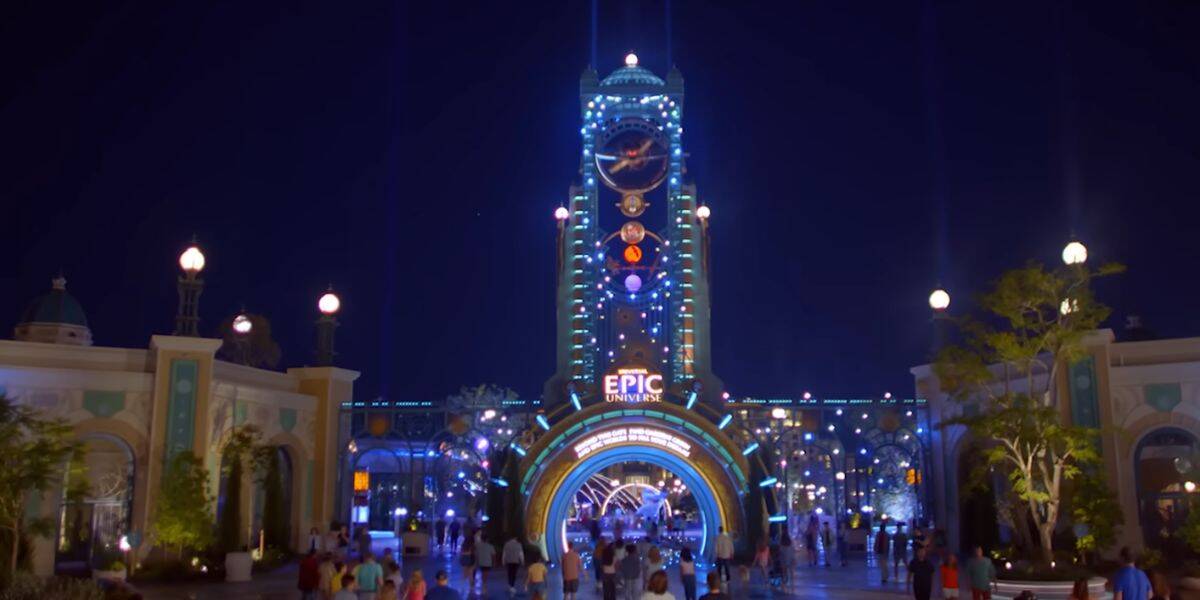
This Could Completely Change How Locals and Convention Guests Use Epic Universe
One of the biggest long-term implications may involve how Universal targets evening crowds and non-traditional park visitors.
The initial large-scale testing reportedly occurred during the massive Premiere Orlando convention event in May 2026, where attendees were allowed access into Celestial Park without full park admission. That move immediately fueled speculation that Universal wants Epic Universe functioning as an after-hours destination for conventioneers, tourists, hotel guests, and locals.
And honestly, the strategy makes sense.
Epic Universe contains a huge amount of infrastructure dedicated to food, entertainment, and atmosphere that doesn’t necessarily require guests riding attractions all day. Universal could potentially generate enormous revenue from nighttime dining, shopping, live entertainment, and impulse spending—even from people who never step foot inside Super Nintendo World, Dark Universe, or the Ministry of Magic.
That’s a very different business model from traditional Orlando parks.
Fans are already debating whether this could make Epic Universe feel more alive at night—or far more crowded.

Some Fans Believe This Is the Future of Theme Parks
There’s also a bigger industry conversation unfolding here.
Universal appears to be leaning heavily into flexible-access entertainment models at a time when guest behavior is changing rapidly. Modern travelers increasingly prioritize shorter visits, dining experiences, social outings, and nighttime entertainment over traditional rope-drop-to-close park days.
Epic Universe may have been designed specifically for that shift.
Instead of forcing every visitor into a full-ticket commitment, Universal could create multiple spending tiers inside one environment:
- Casual evening visitors in Celestial Park
- Dining-focused guests
- Convention attendees
- Premium attraction ticket holders
- Full-day park guests
Operationally, it’s incredibly ambitious.
But emotionally, it could create tension.
Theme park fans often value immersion most when it feels seamless. The moment guests encounter checkpoints, facial scans, or access restrictions between lands, some fear the illusion risks breaking apart.
Others, however, see the opposite.
Some guests believe the controlled portal access could actually preserve immersion by preventing overcrowding inside the highly detailed worlds themselves.
And after years of complaints about impossible crowd levels inside modern theme park lands, that argument may carry real weight.

What Happens Next Could Define Epic Universe’s Identity for Years
Right now, Universal is still testing.
Nothing about the Open Hub concept appears fully finalized, and operational strategies could evolve significantly before broader implementation. But the fact that facial validation systems are now appearing inside portals suggests this isn’t a small experiment anymore.
What started as quiet testing is now raising much bigger questions about what a modern theme park is supposed to be. Is Epic Universe primarily a gated attraction park? A social entertainment district? A hybrid destination that changes depending on the time of day?
The answer may ultimately reshape how future parks across the industry are designed.
Because if Universal succeeds, other companies—including The Walt Disney Company—will almost certainly be watching very closely.