
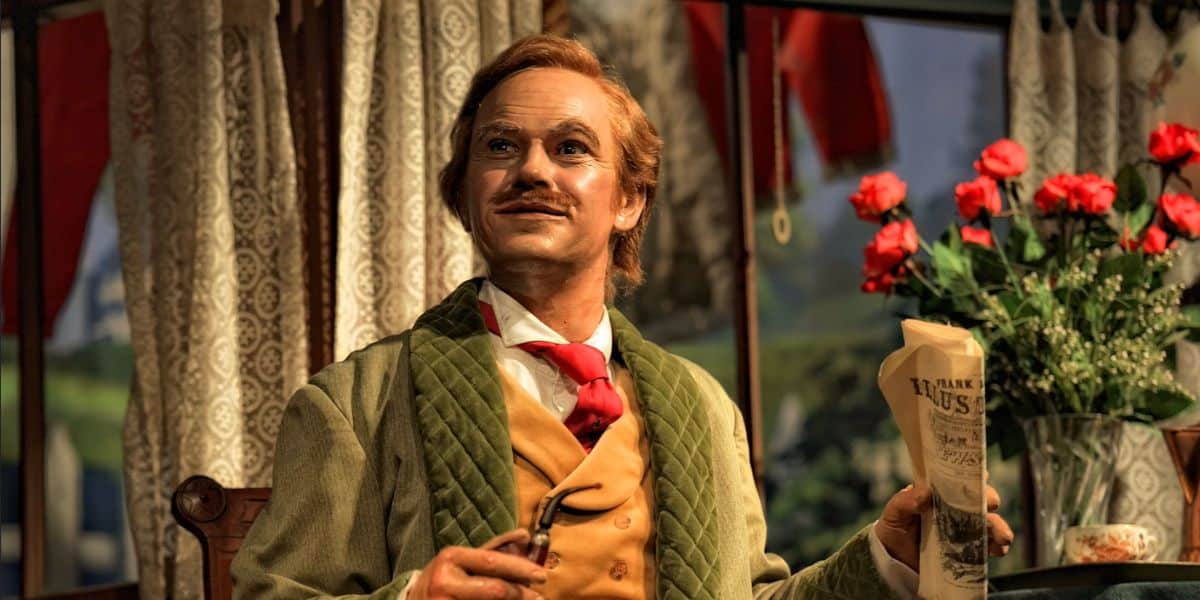
Walt Disney World has dropped a bombshell on theme park traditionalists: Walt Disney’s Carousel of Progress is getting a complete temporal rewrite.
The historic Tomorrowland attraction will officially close its doors on July 6, 2026, to undergo a massive, top-to-bottom reimagining. When the rotating theater reopens its doors in 2027, the traditional turn-of-the-century acts will be gone, replaced by a completely new timeline that brings the American family into eras that modern audiences actually remember.
While change is the very definition of “progress,” the announcement has sparked an intense digital civil war. For a fandom that treats Walt Disney’s original creations like sacred texts, adjusting the timeline of Disney World's most historic show feels like an existential crisis.
Out with the 1900s, In with the 1980s: The New Timeline
The upcoming 2027 version isn't just getting a minor script polish or a wardrobe refresh; Imagineering is completely dismantling the show's historical framework. The 1900s, 1920s, and 1940s scenes are being entirely retired.

Instead, the new show will feature a prologue followed by four distinct acts:
- The Prologue: Guests will encounter the first-ever Audio-Animatronic of Walt Disney at Walt Disney World, set inside a replica of his 1964 television studio, surrounded by vintage Easter eggs, including a prototype Tiki Bird.
- Act 1 (The 1960s): Set on July 20, 1969, the family gathers around a tube television in a mid-century modern kitchen to witness the historic Apollo 11 moon landing.
- Act 2 (The 1980s): Shifting to Halloween night in 1985, Sarah (the mother) takes center stage for the first time in the attraction's history. Meanwhile, Uncle Orville is in the bathtub, having reportedly invested his life savings into a little tech startup called Apple—much to John’s vocal skepticism.

- Act 3 (The New Millennium): Set on New Year’s Eve in 1999, the family navigates the dawn of the internet and Y2K prep, complete with dial-up computers and Grandma hijacking the TV to watch professional wrestling.
- Act 4 (The Possible Future): To permanently future-proof the attraction, the final scene takes place in a colony on an entirely different planet, utilizing retro-futuristic concept art from legendary Imagineer John Hench.
The core characters, their faithful dog Rover, the practical special effects (like the overflowing washing machine), and the iconic Sherman Brothers anthem, “There's a Great Big Beautiful Tomorrow,” are all confirmed to return.
Why Purists Say Disney is Erasing History
For historical purists, the removal of the turn-of-the-century acts is a devastating blow. The original 1900s scene was a deeply personal love letter from Walt Disney to his own childhood in Marceline, Missouri. By cutting those early eras, critics argue that Disney is severing the ride’s direct emotional link to its creator.
Prominent theme park commentator Jenny Nicholson famously captured the exact energy of the attraction's fanbase when she defended it as one of her absolute favorite “lame” but deeply charming things to do at Disney World. To her and thousands of fans, the ride’s quirky, frozen-in-time, slightly broken nature is exactly what makes it a cult classic.
Additionally, many fans feel uneasy about the new Walt Disney Audio-Animatronic. Critics argue that turning a real, historical human being—especially the company's founder—into a synthetic theme park figure feels inherently corporate and unnecessary.
Why Modernists Say Change is Long Overdue
On the other side of the theater, forward-looking Disney enthusiasts argue that updating the ride is the ultimate form of respect. You cannot meaningfully celebrate a concept called the Carousel of Progress if the attraction remains frozen in a time capsule. The show hasn't seen a major update since 1993, meaning its “present-day” finale has been a hilariously outdated period piece for over thirty years.

Furthermore, proponents point out that the 1960s, 1980s, and 1990s are deeply nostalgic eras for the vast majority of guests visiting Magic Kingdom today. Shifting the timeline makes the family’s technological leaps genuinely relatable to modern generations.
Most importantly, fans are relieved that Disney is choosing to heavily reinvest capital into a classic Tomorrowland landmark. In an era where original concepts are frequently demolished to make way for movie franchises, Disney's commitment to saving the Carousel of Progress—following highly praised structural overhauls of Big Thunder Mountain Railroad and Buzz Lightyear’s Space Ranger Spin—is a massive victory for park preservation.
A Great Big Beautiful Tomorrow?
Whether you view the 2027 update as an unnecessary rewrite of theme park history or a brilliant modernization of an aging masterpiece, the emotional discourse proves that the Carousel of Progress remains the beating heart of Disney nostalgia.
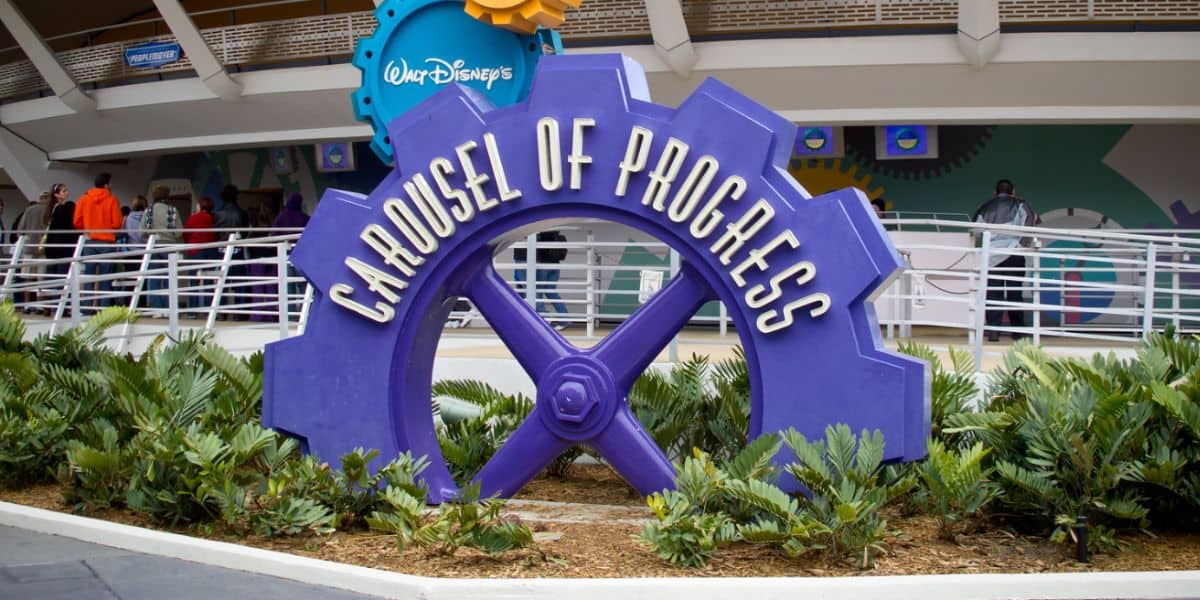
Guests have until July 5, 2026, to sit in the rotating theater and experience the original 20th-century timeline one last time. After that, the wheel spins forward into a brand-new era, proving that while technology always changes, Disney fans' passion stays the same.



I too will depart C.O. P. after 50+ years of watching and enjoying. I am not going to go to the new version. I am not alone in this feeling. I have been riding it for a long time. I like watching the past. Far has the future, at the pace the world is going, there might not be a future.