Theme-park safety conversations tend to begin with the biggest machinery: restraint systems, launch tracks, towering drops, and the sophisticated ride vehicles carrying guests through Orlando’s newest attractions.
A new lawsuit involving Universal Epic Universe focuses on something far less spectacular—and much easier to encounter.
Juan Bautista Tenjo filed a negligence complaint against Universal City Development Partners, Ltd., alleging that accumulated water caused him to slip and fall in a designated photo-op and attraction-queue area at Epic Universe. According to the July 22 filing obtained and reviewed by Inside the Magic, the water allegedly pooled around metal inserts used to hold crowd-control stanchion poles.
The complaint says the incident occurred November 14, 2025, almost six months after Epic Universe officially opened on May 22.
Universal has not been found negligent, and the filing presents only Tenjo’s allegations. It does not identify the attraction, include photographs of the area, describe the injuries with medical specificity, or contain Universal’s response.
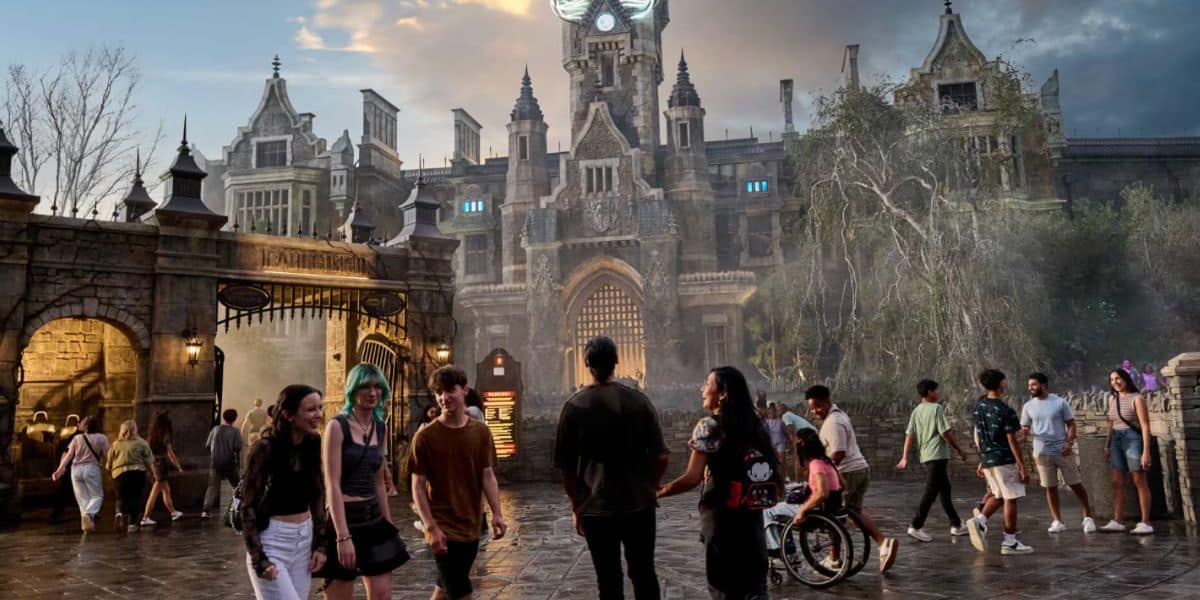
Epic Universe Lawsuit Alleges Water Pooled in Guest Queue Area
Tenjo, identified in the complaint as a Florida resident, says he was a paying Epic Universe guest when he entered an area that served both as a photo opportunity and an attraction queue.
While walking through that space, the complaint alleges, he slipped on a “substantial accumulation of water.” It claims the water came from metal stanchion pole inserts—the recessed fittings that allow removable queue barriers to be placed into the ground.
The lawsuit alleges Universal failed to inspect, maintain, repair, or warn guests adequately. It seeks damages exceeding $50,000 and lists alleged losses including bodily injury, pain and suffering, disability, medical expenses, lost earnings, and diminished earning capacity. Tenjo demands a jury trial.
Those are allegations, not adjudicated findings. The complaint does not explain how water accumulated inside or around the fittings, establish how long it remained there, or provide evidence that Universal had received an earlier warning about the condition.
That distinction will matter.
Under Florida’s premises-liability law, someone who slips on a transitory foreign substance at a business generally must prove the establishment had actual or constructive knowledge of the dangerous condition and should have acted. Constructive knowledge can depend on evidence that the condition existed long enough to be discovered or happened with sufficient regularity to be foreseeable.
The lawsuit alleges Universal knew or should have known about the water. It does not yet demonstrate either conclusion.

The Claim Concerns Epic Universe’s Everyday Infrastructure
The practical significance is not that the lawsuit proves Epic Universe is unsafe. One complaint cannot establish a resort-wide maintenance failure, much less show that other queues contain the same alleged condition.
What makes the filing notable is where it directs attention.
Queues are not merely holding pens outside attractions. At Epic Universe, they can be elaborate environments where guests spend substantial portions of their day. Inside the Magic has previously documented waits lasting several hours at Harry Potter and the Battle at the Ministry and later reported that its queue could become too full to accept additional guests.
Long waits make walking surfaces, drainage, crowd-control equipment, access to water, and routine inspections part of the attraction experience—not background details. Earlier guest accounts concerning water access during a Battle at the Ministry delay similarly showed how queue operations can become consequential when visitors remain inside them for extended periods.
For upcoming visitors, the lawsuit does not create a confirmed closure, restriction, or policy change. No attraction is identified as affected, and nothing in the complaint indicates that guests need to avoid a particular Epic Universe location.

One Lawsuit Does Not Establish a Broader Epic Universe Pattern
Epic Universe has already faced other litigation involving alleged guest injuries, including claims connected to Stardust Racers and Harry Potter and the Battle at the Ministry.
Tenjo’s case is materially different. It does not allege that a ride vehicle, restraint, or attraction system injured him. It is a premises-liability claim involving an ordinary walking area and removable queue equipment.
Combining those unrelated allegations into proof of a single park-wide safety pattern would go beyond the available evidence. Still, the new filing illustrates the scale of Universal’s responsibility after opening a park built to move guests through an extensive network of attraction entrances, photo locations, winding queues, restaurants, and public walkways.
The unanswered questions are concrete: Which attraction was involved? Was the water visible? How long had it allegedly been present? Were employees notified? Did Universal document an inspection or warning?
Until evidence or a response from Universal addresses those points, the complaint establishes that a legal claim has been filed—not that its account has been proven.