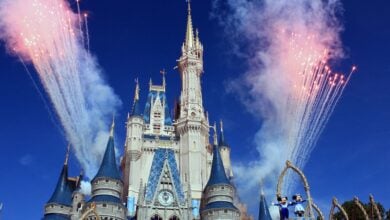

For many Disney fans, Tokyo DisneySea represents the gold standard of theme park design. But what if that groundbreaking park had actually been built in California instead?
A resurfaced report from SFGATE is shining new light on one of Disney's biggest missed opportunities, revealing how the company once planned an enormous waterfront resort in Long Beach that would have included DisneySea years before Disney California Adventure ever became reality. Instead, political battles, environmental concerns, and failed negotiations brought the entire vision crashing down.
Long before Disney announced Disney California Adventure, company leaders had much bigger ambitions.
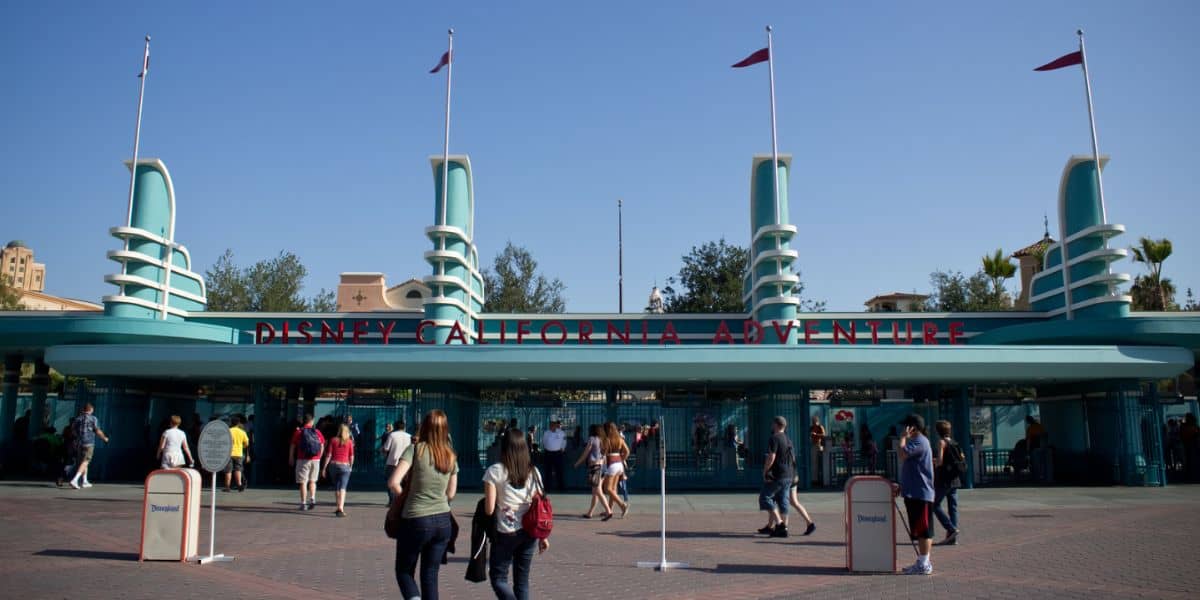
In the late 1980s, Disney acquired the operational lease of the Queen Mary and surrounding Long Beach property as part of a larger deal to regain control of the Disneyland Hotel. Rather than simply managing those newly acquired assets, then-CEO Michael Eisner envisioned transforming the waterfront into Port Disney, a massive destination unlike anything the company had attempted in the United States.
The proposed $2 billion project would have featured hotels, shopping, restaurants, a cruise port capable of serving Disney Cruise Line ships, an oceanarium dedicated to marine research and entertainment, and a brand-new theme park called DisneySea.
Unlike Disneyland, DisneySea would have centered almost entirely around oceans, mythology, and exploration.
According to promotional materials referenced in the report, guests would have explored an Atlantis-inspired Mysterious Island, wandered through Heroes' Harbor based on ancient legends, boarded replicas of famous sailing vessels, and even experienced attractions involving surfing, snorkeling, and simulated shark dives.
The concept sounded revolutionary, but Disney still needed approval from Long Beach and California officials before construction could begin.
That's where everything started to unravel.

The report explains that Disney requested approximately $880 million in publicly funded infrastructure improvements to support the enormous development. At the same time, the company also needed approval to build on protected coastal land, requiring exceptions to California's environmental regulations.
Environmental organizations quickly mobilized against the proposal.
Robert Sulnick of the American Oceans Campaign questioned sacrificing protected coastline “over a theme park,” while California State Sen. Henry Mello strongly opposed filling ocean waters for the development.
Even the Port of Long Beach resisted portions of the project, worried that Disney's plans could interfere with shipping operations.
Michael Eisner later expressed his frustration over the intense resistance.
“From the reaction we received from some quarters, you might have imagined we were proposing a toxic dump in the middle of Big Sur,” he said after the project collapsed, adding that California's business climate had gone “from sunny to chilly.”
Disney executive David Malmuth later admitted the company could have handled one aspect differently.
“No question. If I had to do it over again, I would spend more time with the environmental community,” he said.
By the end of 1991, Disney officially abandoned Port Disney and shifted its attention back to Anaheim. The company announced plans for WestCOT, an ambitious West Coast version of EPCOT, but financial troubles surrounding Euro Disney forced Disney to dramatically reduce its spending. WestCOT was eventually shelved in favor of the much smaller Disney California Adventure.
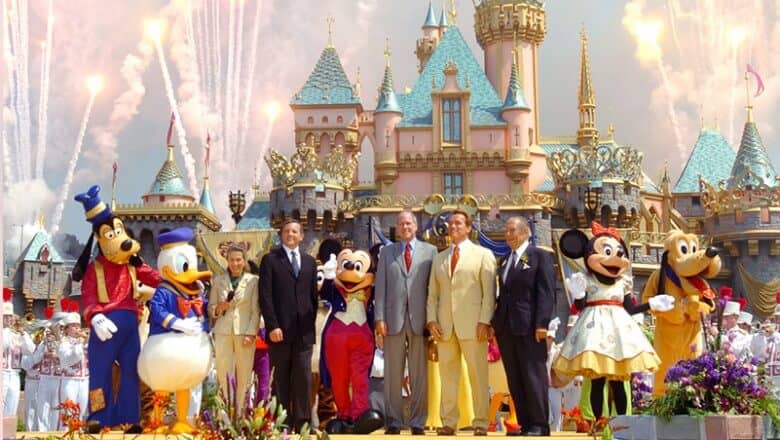
Although California never received DisneySea, the concept didn't disappear.
Many of its ideas eventually found a home at Tokyo DisneySea, which opened in 2001 and has since earned a reputation as one of the finest Disney parks ever built.
Looking back more than three decades later, it's fascinating to imagine how different Disneyland Resort—and Southern California tourism—might have been had California embraced Disney's boldest expansion plans instead of watching them sail across the Pacific.