For an entire generation of fans, there's only been one version of Hogwarts that really mattered.
It started with Harry Potter and the Sorcerer’s Stone (2001), when Daniel Radcliffe, Emma Watson, and Rupert Grint introduced movie audiences to Harry Potter, Hermione Granger, and Ron Weasley.
What followed went far beyond eight movies. The actors, Hogwarts houses, costumes, locations, and overall appearance of the Wizarding World became familiar pieces of Harry Potter. Nearly 25 years later, many fans still picture those versions first.
That's exactly what makes HBO's reboot such a risk.
The television adaptation gives HBO more time to explore J.K. Rowling's seven books, including material the movies shortened or left behind. However, the latest trailer, released September 2, reinforces that HBO isn't treating the original films as a blueprint it must follow.
Instead, the reboot is establishing its own rules.
And in four important areas, that means moving away from traditions fans have known for decades.
Even Hogwarts Tradition Isn't Safe
One difference lies in something fans have seen countless times: the Hogwarts houses.
HBO has redesigned the emblems representing Gryffindor, Slytherin, Ravenclaw, and Hufflepuff. The new designs prominently feature circular emblems incorporating the houses' names, colors, and animals.
Gryffindor retains its lion, Slytherin has its serpent, and Hufflepuff keeps its badger.
Ravenclaw is different.
Rowling's books identify an eagle as the house's animal. The movies became associated with a raven instead, creating imagery that fans recognized for decades.
HBO is going back to the eagle.
Book readers may see that as a correction and a sign that HBO intends to stay closer to Rowling's original material. Movie fans, however, may see HBO replacing a familiar piece of Hogwarts.
It's an early example of the difficult choice this reboot repeatedly faces: book accuracy or movie familiarity.
HBO Is Asking Fans to Accept New Faces
That challenge becomes even bigger with the characters themselves.
Radcliffe became closely associated with Harry, Watson with Hermione, and Grint with Ron. Alan Rickman created an unforgettable Severus Snape, while Richard Harris and Michael Gambon gave audiences two different versions of Albus Dumbledore.
Those associations lasted long after the movies ended.
Now HBO is starting over.
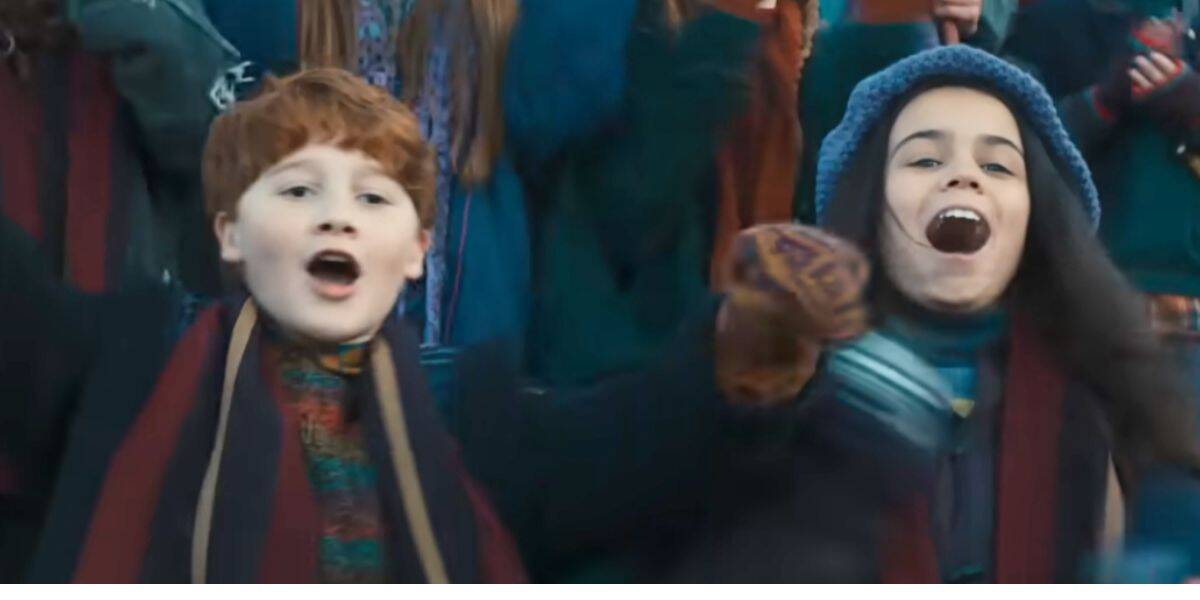
Dominic McLaughlin plays Harry, Arabella Stanton takes over as Hermione, and Alastair Stout portrays Ron. Paapa Essiedu becomes Snape, while John Lithgow plays Dumbledore.
The choices surrounding Snape and Dumbledore have generated particularly strong discussion because of fans' attachment to their movie counterparts.
Of course, HBO couldn't reboot Harry Potter without recasting everyone. The question is whether audiences can eventually see these actors as the characters rather than replacements for people they already love.
The Wizarding World Has a New Look
HBO is also visually separating its series from its movies.
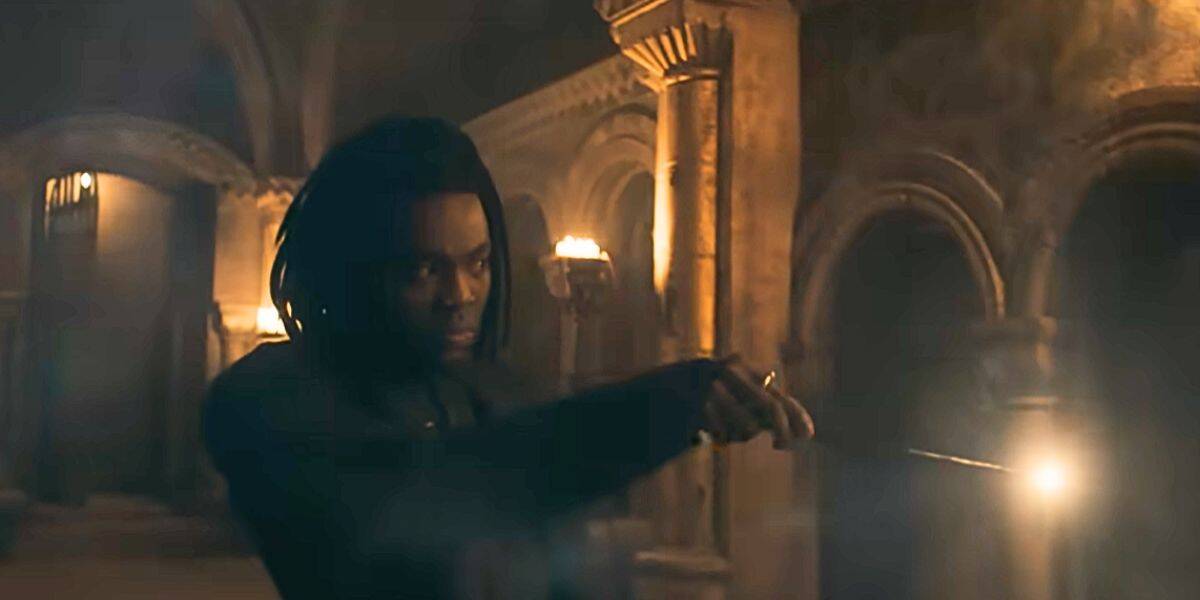
Some viewers have criticized the footage for using a darker, desaturated gray-blue appearance.
The original films certainly became darker as Harry grew older and the story became more dangerous. However, the earlier installments also paired Hogwarts' shadows with warmer colors and a whimsical, storybook atmosphere.
Some fans believe HBO's approach feels more like a modern streaming drama.
Later promotional material has featured richer, warmer imagery in places, but the debate hasn't disappeared.
That's another difficult balance. HBO needs to create a Hogwarts audience that recognizes without making it look like a direct recreation of what came before.

The Story Could Feel Different, Too
Perhaps the biggest departure has less to do with what fans see and more to do with how they experience the story.
Harry largely serves as our guide into the Wizarding World at the beginning.
He knows almost nothing about magic, meaning audiences discover Hogwarts, Diagon Alley, Quidditch, and other parts of wizarding life alongside him.
HBO has considerably more storytelling time.
The trailer hints at expanded scenes featuring characters and families, such as the Dursleys and Weasleys, potentially allowing HBO to explore material that the movies shortened or omitted.
Some fans want exactly that from a television reboot.
Others worry that spending more time away from Harry could weaken the original sense of discovery. Revealing parts of this world before Harry experiences them changes how audiences enter it.

HBO Now Has to Make Its Gamble Pay Off
That's ultimately the challenge facing this reboot.
HBO needs to make Harry Potter feel new without removing everything audiences loved about the films.
Season 1 of Harry Potter and the Philosopher’s Stone premieres Christmas 2026 on HBO and HBO Max, where available. The eight-episode season begins HBO's planned seven-season adaptation of Rowling's seven books.
Work on Season 2 is already moving forward before Season 1 reaches audiences.
HBO clearly isn't afraid to break traditions established nearly 25 years ago.
This Christmas, fans will finally decide whether that was exactly what Harry Potter needed—or whether some parts of the Wizarding World were better left alone.