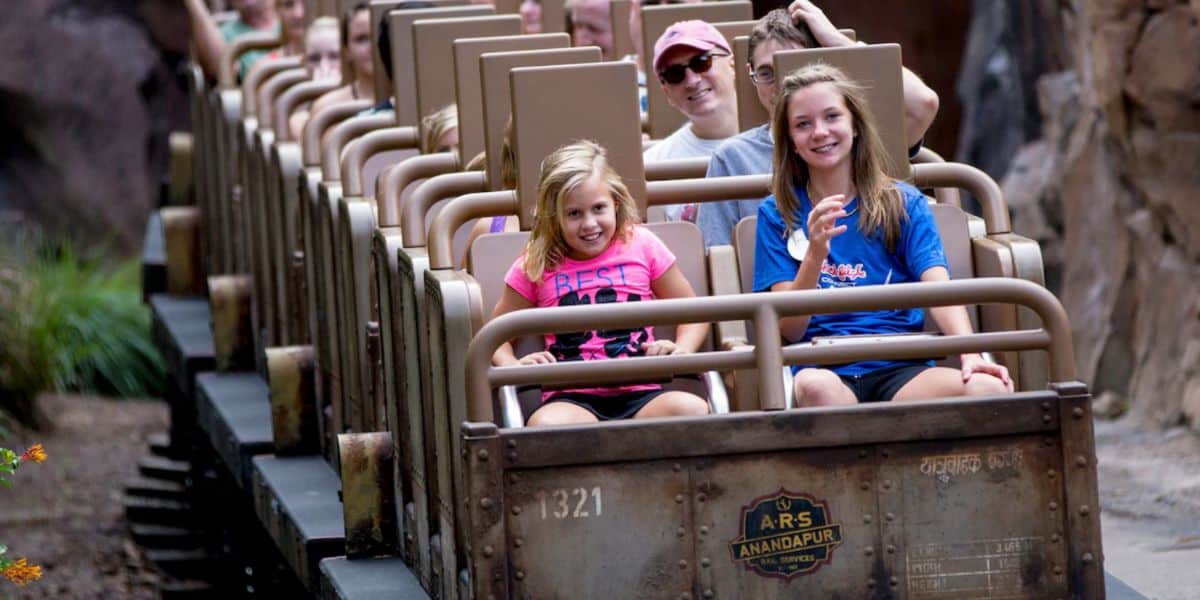
Disney is permanently ending the Expedition Everest Single Rider line at Disney’s Animal Kingdom on September 21, removing one of the park’s most useful options for guests willing to split from their party. The attraction itself is not closing. Instead, Disney is keeping a new loading process that the company says has lowered average standby waits and made the separate Single Rider queue less useful.
The decision, first reported Friday by Scott Gustin, formalizes months of operational changes. Disney’s current Single Rider page still lists Expedition Everest as of September 18, but the company says the attraction will be removed from that listing when the change takes effect.
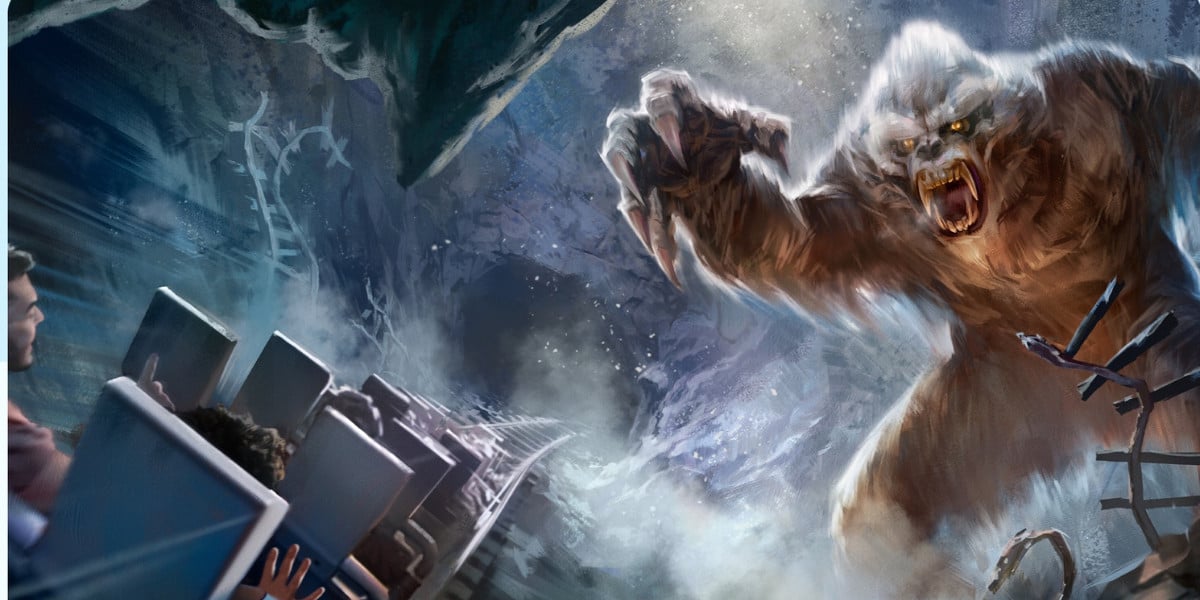
Disney’s New Expedition Everest Loading System Changes the Math
Single Rider traditionally works by feeding individual guests into empty seats left by parties moving through standby or Lightning Lane. Disney describes the service that way on its official Walt Disney World website: riders agree to be separated so Cast Members can fill remaining seats in a ride vehicle.
At Expedition Everest, however, Disney began testing a different approach earlier this year. Guests approaching the load area are pre-sorted according to whether their party contains an odd or even number of riders. That gives Cast Members more control over pairing guests before they reach the platform and reduces the number of empty seats that need to be filled from a separate queue.
Inside the Magic reported in May that the operational change was already making the Expedition Everest Single Rider line slower. By July, the attraction’s Single Rider signage was disappearing and reappearing, while access to the queue became inconsistent.
Disney now says the test was successful and resulted in lower average waits for standby guests. According to the company, the improved efficiency meant Single Rider no longer delivered the experience guests generally expect from that service.

Animal Kingdom Loses Its Only Single Rider Option
For regular Animal Kingdom visitors, the consequence is straightforward: there will no longer be a dedicated Single Rider shortcut at the park after September 20.
That matters most to solo visitors and groups that do not care about sitting together. The separate entrance gave them another way to ride without necessarily committing to the full standby queue.
Animal Kingdom is already navigating significant change, including construction and refurbishment activity tracked by Inside the Magic.
Guests will still have other ways to ride. Expedition Everest remains included among Animal Kingdom attractions available through Lightning Lane Multi Pass, according to Disney, and eligible Disney Resort hotel guests can also find the coaster among the park’s Early Theme Park Entry offerings.

The Bigger Test Will Be What Happens Near the Station
The new system may be more efficient on paper, but its long-term guest-facing test begins once Single Rider disappears entirely.
Pre-sorting odd- and even-numbered parties moves more of the seat-filling work upstream, before guests reach the trains. If that process continues to lower average standby waits as Disney says it did during testing, removing a queue that had become less effective is a logical operational trade.
What Disney has not publicly provided is detailed performance data showing how much waits improved, nor has it outlined how the revised sorting process performs during the attraction’s busiest periods. That distinction matters. A process can improve average throughput without guaranteeing that every peak-period loading cycle or queue experience will feel smoother.
It is therefore too early to claim the new setup will create station bottlenecks or spill crowds into Asia’s walkways. Those are possible operational pressure points worth watching, not confirmed consequences. The clearest evidence will come after September 21, when the system operates without Single Rider as a fallback pathway and guests adapt to the revised queue flow.

This Is Not a Walt Disney World-Wide Single Rider Removal
Disney’s move at Expedition Everest should not be read as the end of Single Rider across Walt Disney World.
The company’s official Single Rider page currently lists options at EPCOT and Disney’s Hollywood Studios in addition to Everest. Disney has said the service remains useful at select attractions because it helps Cast Members fill seats not occupied by guests using standby or Lightning Lane.
That makes Everest an attraction-specific operational change rather than evidence of a resort-wide policy shift.
Inside the Magic has followed Everest’s shifting Single Rider availability throughout the summer. Monday’s permanent removal closes that chapter.

What Expedition Everest Guests Should Watch After September 21
Beginning September 21, guests should plan around standby or eligible Lightning Lane access rather than expecting a separate Expedition Everest Single Rider line. Disney says the Single Rider signage will be removed and the online listing updated.
The most important question now is whether the new loading procedure continues producing the lower average waits Disney observed during testing once it becomes the settled operating model. For vacationers, that result matters more than the mechanics behind the station: a faster standby line could soften the loss of Single Rider, while inconsistent peak-period performance would make the removed option more noticeable.
Expedition Everest remains open in the Asia section of Disney’s Animal Kingdom. What is changing is how Disney fills its trains—and beginning Monday, guests will get the clearest look yet at whether that trade improves the experience outside the test period.