

For years, one of the easiest ways to explain Disney+ was also one of its biggest selling points: pay for the service, pick a movie or show, and skip the traditional television commercial experience.

That promise has become more complicated.
Disney+ has updated its subscriber agreement in the United Kingdom to make clear that every service plan can include some form of advertising, sponsorship, or promotional content. That includes plans the company still markets as ad-free.
The wording does not mean Disney is suddenly stuffing Premium movies with ordinary commercial breaks. It does, however, create much more room for ads and promotional material to appear before or after content, around live programming, during special events, and in certain third-party offerings.
For subscribers who assumed “ad-free” meant exactly that, the change is worth paying attention to.
It also shows how far Disney+ has moved from the streaming service that launched in 2019 with a much simpler subscription model.
Disney+ Adds New Language Across Every Subscription Tier

Disney notified UK subscribers about changes to its Subscriber Agreement, including a section that directly addresses advertising.
The company told users:
“Changes to your Disney+ Subscriber Agreement include, in summary, the following (though we do encourage you to read the new Subscriber Agreement in full): We’ve clarified that all Service Plans may include: (i) promotional content, (ii) sponsorships, and (iii) advertisements before/after playback of Content and in channels, live/as-live, special events, and any third-party services content.”
That is the part that changes the conversation.
Yet Disney’s own plan information now explains that all of those plans can include some promotional material, sponsorships, and specific advertising placements.
So while Premium remains different from the traditional ad-supported tier, it no longer carries the same simple implication that subscribers will never see any advertising at all.
What “Ad-Free” Actually Covers Now
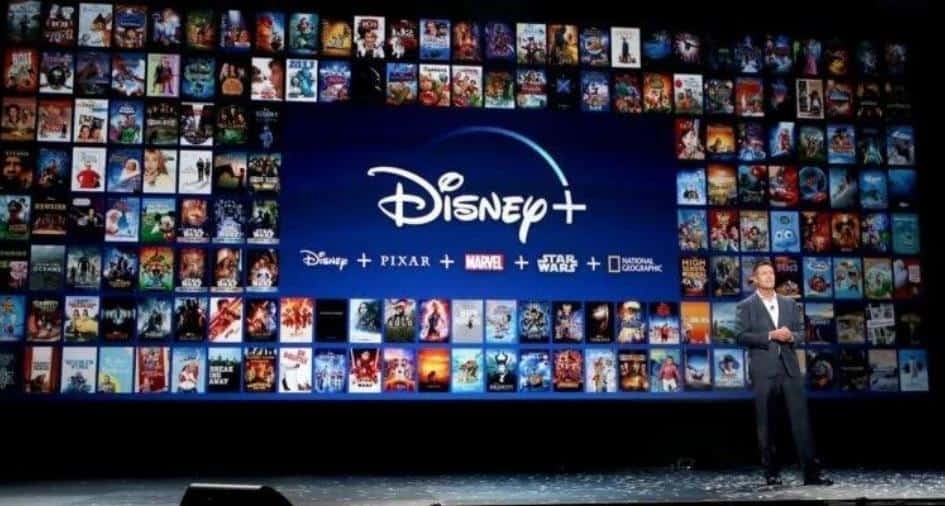
The most important thing for subscribers is understanding what Disney is and is not saying.
Disney has not announced that normal on-demand movies and series on Premium will suddenly pause for repeated mid-roll commercials.
Instead, the updated rules focus on areas where advertising can still appear.
That includes promotional material before or after a program, sponsorship messages, live and as-live content, channels, special events, and certain third-party programming.
Disney’s broader subscriber agreement also makes similar exceptions for plans described as “no ads” or “ad-free,” particularly when streaming rights, live programming, branded content, sponsorships, or promotional material are involved. (disneyplus.com)
That distinction matters.
A Premium subscriber may still avoid the standard commercial interruptions seen on a cheaper ad-supported plan while encountering Disney promos or sponsored material elsewhere in the service.
For some customers, that will feel like a minor technical clarification.
For others, especially those paying more specifically to avoid anything resembling advertising, it may feel like Disney has changed the meaning of what they are buying.
Disney’s Streaming Strategy Has Changed Dramatically
Disney+ looked very different when it launched in November 2019.
At the time, the focus was subscriber growth. Disney was building a direct-to-consumer platform around some of the biggest brands in entertainment, including Pixar, Marvel, Star Wars, National Geographic, and the company’s animated library.
The service initially relied heavily on subscription revenue.
That strategy evolved as the economics of streaming became more difficult.
Disney introduced an ad-supported Disney+ tier in the United States in 2022 and later expanded that option into additional markets.
Advertising gave Disney another way to make money from streaming customers while also keeping lower-priced plans available.
At the same time, Disney+ has expanded beyond a simple on-demand library.
The service now includes more live programming, special events, integrated content, and other features that look increasingly similar to traditional television.
Once a streaming service starts adding live sports, channels, and event-based programming, avoiding advertising in every possible situation becomes more complicated.
The new subscriber language reflects that reality.
Premium Still Has Advantages
The policy change does not automatically make Disney+ Premium a bad value.
Premium plans still offer benefits beyond advertising, including higher video and audio quality, more simultaneous streams in applicable markets, and access without the normal commercial structure of a fully ad-supported plan.
The key change is expectation.
Customers paying for Premium should think of it less as “absolutely no advertising anywhere” and more as “fewer traditional ads during normal on-demand viewing.”
That is a very different promise.
Disney’s current UK plan listings still identify Standard and Premium as ad-free while including fine print explaining where advertising and promotional content can appear. (disneyplus.com)
For subscribers, that makes reading the details more important than relying on the label alone.
The Cost Adds Up for Disney Families
For households already spending heavily on Disney, even a streaming subscription can become part of a larger budget question.
A family planning a Walt Disney World vacation may already be paying for hotel nights, park tickets, flights, dining, Lightning Lane access, souvenirs, and transportation.
Add a premium Disney+ subscription on top of that, and the monthly cost becomes one more expense tied to the brand.
If a household is paying extra mainly because it assumes Premium eliminates every form of advertising, the updated agreement may be a reason to take another look at whether the higher tier still makes sense.
That does not mean everyone should downgrade.
Some families may still value the better streaming quality, additional simultaneous streams, and reduced ad experience enough to keep paying more.
Others may decide the cheaper plan offers enough value if ads and promotional material can appear across multiple tiers anyway.
The important part is that the difference between “with ads” and “ad-free” is no longer as simple as the names suggest.
Disney+ Is Becoming More Like Television
The bigger shift here is not one line of fine print.
It is the direction Disney+ is heading.
The service began as a relatively straightforward subscription library. Over time, it has added advertising, live content, bundled offerings, and broader television-style programming.
For longtime subscribers, that means the service they signed up for in 2019 is continuing to evolve.
Disney+ Premium can still offer a cleaner viewing experience than the ad-supported tier, but the company now makes clear that “ad-free” has limits.
Before your next renewal, it may be worth checking which Disney+ plan you actually use and why you are paying for it.
Would you keep paying more for an ad-free Disney+ tier if promotional content, sponsorships, and certain advertisements can still appear?