
Imagine stepping into a theme park queue with no prior knowledge of what awaits you. You don't recognize the characters on the posters, you haven't memorized the theme song from a hit movie, and you have no idea how the story will end. For the first several decades of Walt Disney World's history, this sense of discovery wasn't a rare treat—it was the core design philosophy of Walt Disney Imagineering.
From the spooky corridors of 999 happy haunts to futuristic journeys through human communication, Disney's theme parks were legendary for creating original worlds completely from scratch. Imagineers didn't need a box-office blockbuster or a multi-billion-dollar franchise to greenlight a ride. The experience itself was the selling point.
Today, theme park fans are living through a massive shift in corporate strategy. Exactly two decades have passed since Walt Disney World opened a major attraction not based on existing intellectual property (IP). As Disney doubles down on expansions themed around Star Wars, Marvel, Pixar, Frozen, and classic Disney animation, a poignant question hangs over the industry: Has the era of the original, non-IP Disney ride permanently come to an end?
The Golden Age of Blank-Canvas Imagineering
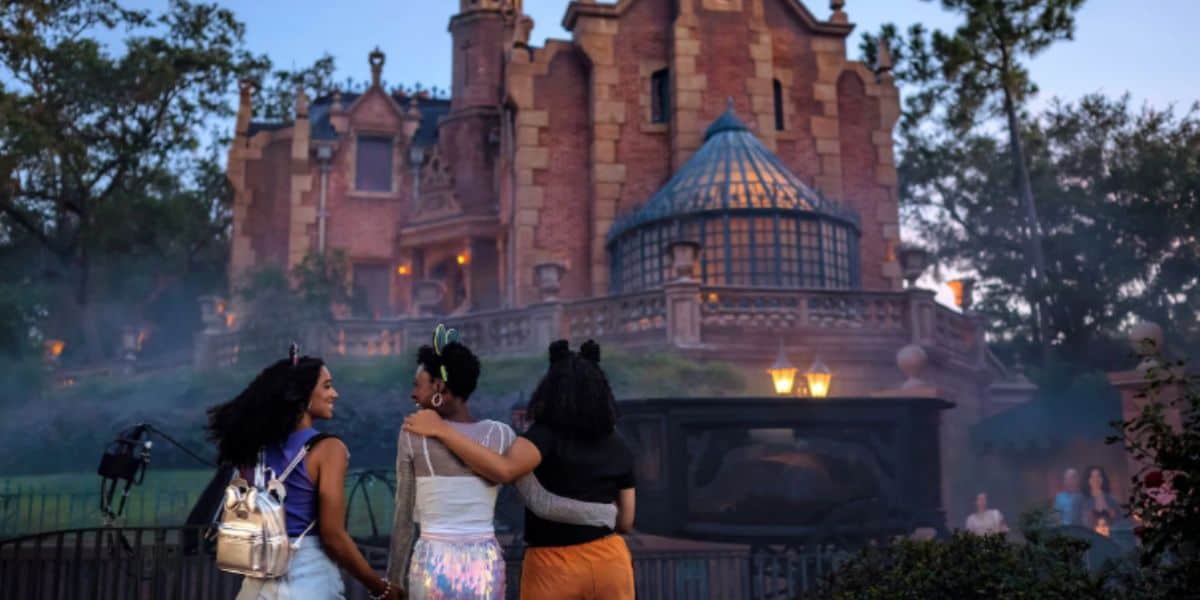
When Magic Kingdom welcomed its first guests in October 1971, many of its most enduring attractions were built entirely from original concepts rather than film adaptations. Haunted Mansion introduced an entire universe of supernatural lore and spectral characters. Jungle Cruise offered a humorous, fictionalized safari through uncharted rivers. A few years later, Space Mountain turned cosmic exploration into an iconic roller coaster, while Pirates of the Caribbean proved that a theme park concept could be so rich that it would eventually inspire a multi-billion-dollar Hollywood movie franchise.
In these early years, Imagineers didn't ask how to translate a popular movie into a ride. Instead, they asked a far more creative question: What original world can we invent specifically for the theme park medium?
This philosophy reached its peak with the opening of EPCOT Center in 1982. Designed as a permanent world's fair celebrating human ingenuity, EPCOT was proof that broad ideas could drive world-class entertainment. Future World pavilions featured groundbreaking rides that required zero pre-existing brand recognition:
- Spaceship Earth: A grand voyage through the history of human communication.
- Horizons: An optimistic exploration of futuristic living and habitats.
- World of Motion: A whimsical journey celebrating the evolution of transportation.
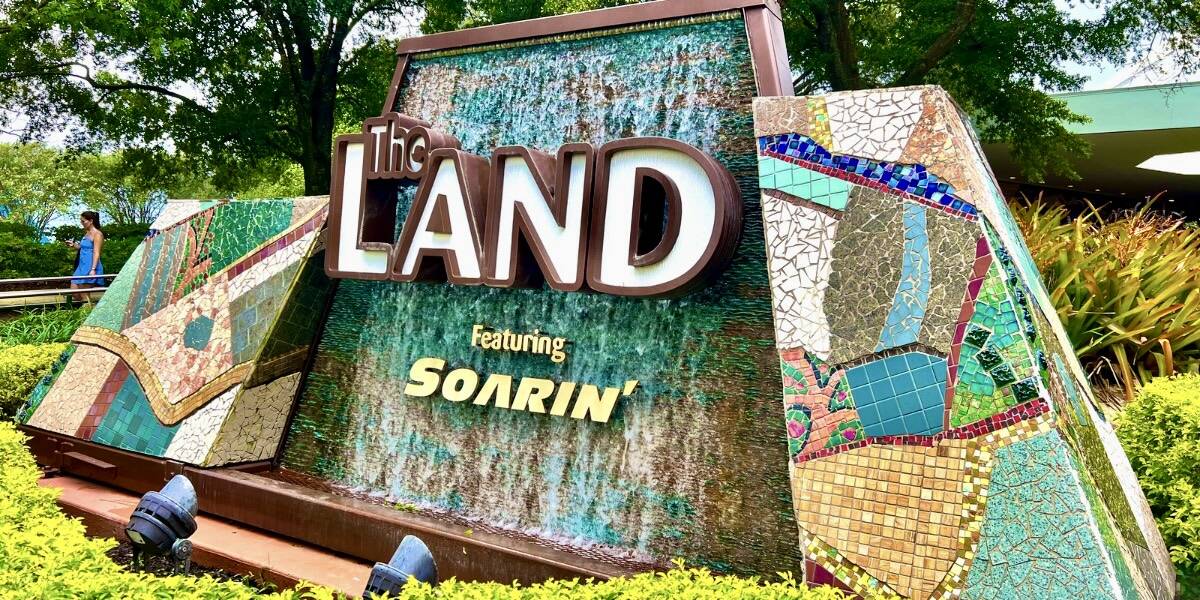
- Living with the Land: An educational boat ride highlighting agricultural innovation.
EPCOT demonstrated that science, technology, and human achievement could stand on their own merits without needing an animated mascot to draw a crowd.
Expanding Concept-First Storytelling into the 1990s
As Walt Disney World expanded with its third and fourth theme parks, Imagineers continued to push the boundaries of original park storytelling.
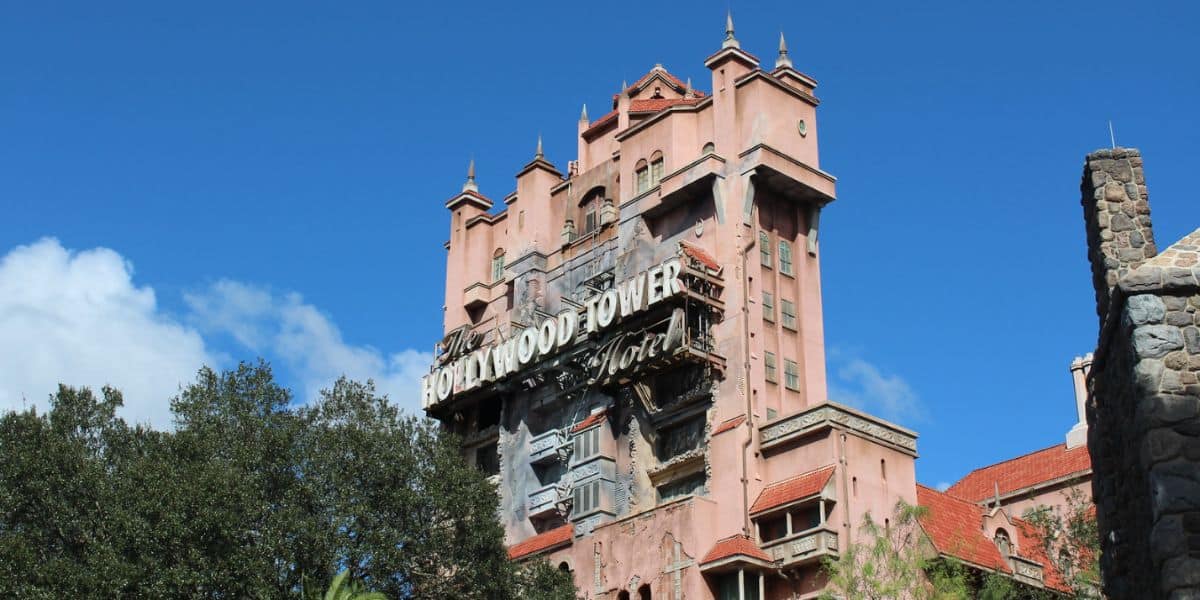
When Disney-MGM Studios (now Disney's Hollywood Studios) opened in 1989, it naturally focused on filmmaking. Yet even within a movie-centric park, Imagineers created experiences that weren't mere film recreations. The Twilight Zone Tower of Terror used a licensed anthology brand to craft an original mystery centered on the fictional Hollywood Tower Hotel. Similarly, Rock ‘n' Roller Coaster combined rock music culture with a high-speed highway chase without adapting a specific movie.
In 1998, Disney's Animal Kingdom debuted with a clear mission rooted in real-world nature and conservation:
- Kilimanjaro Safaris: An authentic wildlife adventure across a sprawling African savanna.
- Countdown to Extinction (later DINOSAUR): An intense, original thrill ride through a prehistoric jungle.
Guests walked into Animal Kingdom to explore wildlife, natural environments, and extinct creatures—not to meet cartoon characters.
Expedition Everest: The Last Stand of Pure Originality
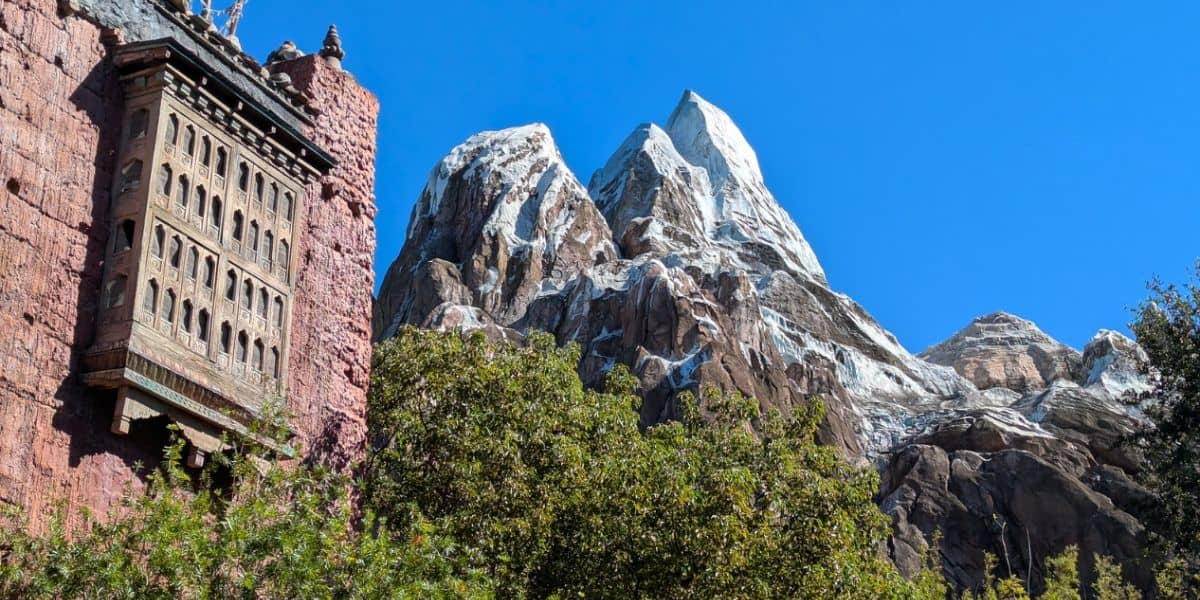
In April 2006, Walt Disney World unveiled what would become a monumental watershed moment in theme park history: Expedition Everest – Legend of the Forbidden Mountain at Disney's Animal Kingdom.
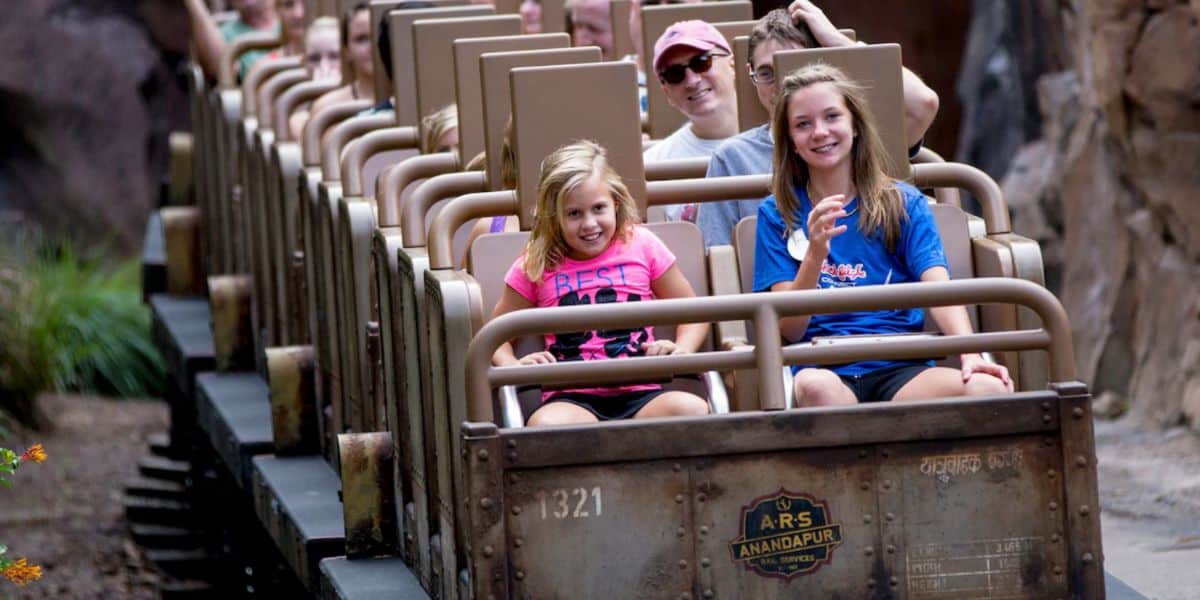
Expedition Everest was not tied to an animated classic or a live-action blockbuster. Imagineers spent years conducting research trips to the Himalayas, immersing themselves in local culture, architecture, and folklore to design an original mythological adventure. Everything about the ride—from the elaborate Anandapur village queue to the terrifying coaster mechanics and 18-foot Audio-Animatronic Yeti—was created specifically for the park.
Yet, two decades later, Expedition Everest stands as a striking dividing line. It was not the beginning of a new era of original Imagineering headliners; it was the grand finale.
The Franchise Takeover: The Modern IP Era
In the years following Expedition Everest, Disney's corporate strategy pivoted aggressively toward leveraging proven hits throughout the resort.

Today, established intellectual property forms the compulsory foundation for virtually every major project across Walt Disney World:
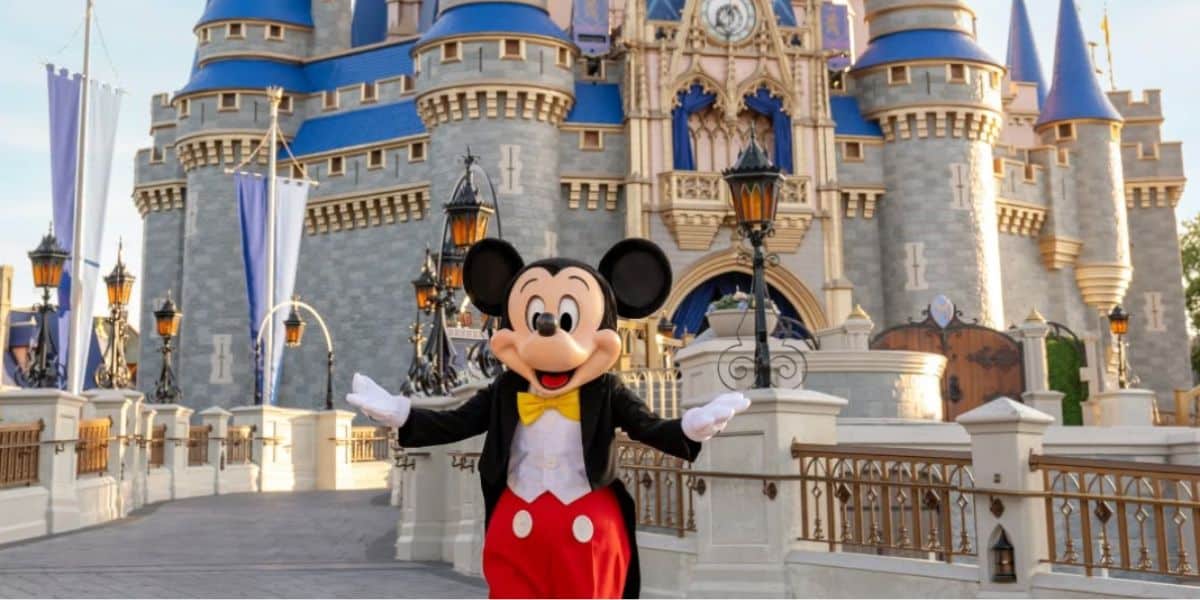
- EPCOT: Frozen Ever After replaced Maelstrom in World Showcase, while Guardians of the Galaxy: Cosmic Rewind introduced Marvel superheroes into Future World.
- Disney's Hollywood Studios: Entire lands were dedicated to mega-franchises, including Toy Story Land and Star Wars: Galaxy's Edge.
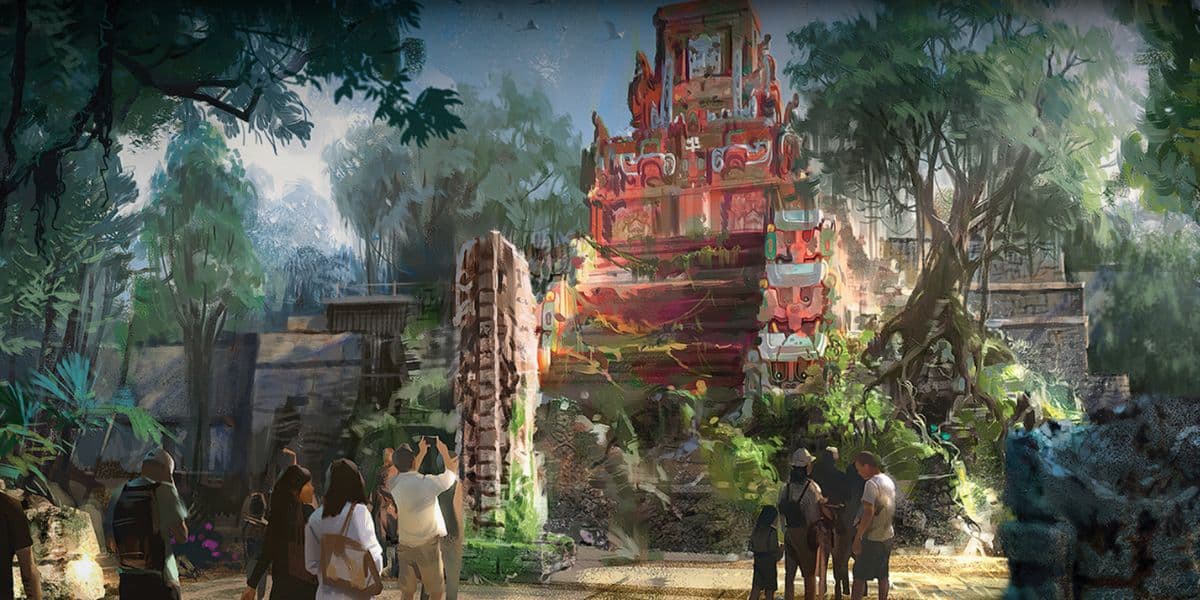
- Future Pipelines: The current multi-billion-dollar expansion slate continues this trend. Animal Kingdom's upcoming Tropical Americas expansion features Encanto and Indiana Jones; Magic Kingdom is constructing a Cars-themed area and a Villains land; and Hollywood Studios is building a Monsters, Inc. land.
Original Story vs. Original IP: A Crucial Difference
Disney Imagineers have not stopped creating original stories. Many modern IP-based attractions tell brand-new narratives created specifically for the parks. For instance, the planned Indiana Jones attraction at Animal Kingdom will feature a new storyline.
However, there is a fundamental distinction between an original story using existing IP and an original IP created from scratch:
- Existing IP: Starts with an enormous marketing advantage. When Disney announces a Cars or Monsters, Inc. ride, guests instantly recognize the characters, music, and world.
- Original IP: Requires Disney to build the setting, mythology, and audience connection entirely from the ground up.
Because new theme park E-ticket attractions require hundreds of millions of dollars to construct, relying on a proven IP drastically reduces corporate financial risk while guaranteeing instant merchandise sales and high attendance.
Will We Ever See an Original Ride Again?
Relying on established franchises isn't inherently negative—it has produced some of the most technologically mind-blowing theme park experiences in history. Stepping onto the Millennium Falcon or flying through Pandora are undeniable triumphs of modern design.

Yet, the 20-year gap since Expedition Everest highlights a permanent shift in theme park philosophy. Where Imagineers once built original park rides that inspired hit movies, Disney now relies almost exclusively on hit movies to justify building park rides.
While the era of the standalone, non-IP theme park ride may feel like a bygone chapter, classic attractions like Haunted Mansion, Spaceship Earth, and Expedition Everest remain beloved fan favorites for a reason. They serve as permanent reminders of a time when a Disney ride didn't need a film franchise to become immortal—it just needed a great big, beautiful idea.


