
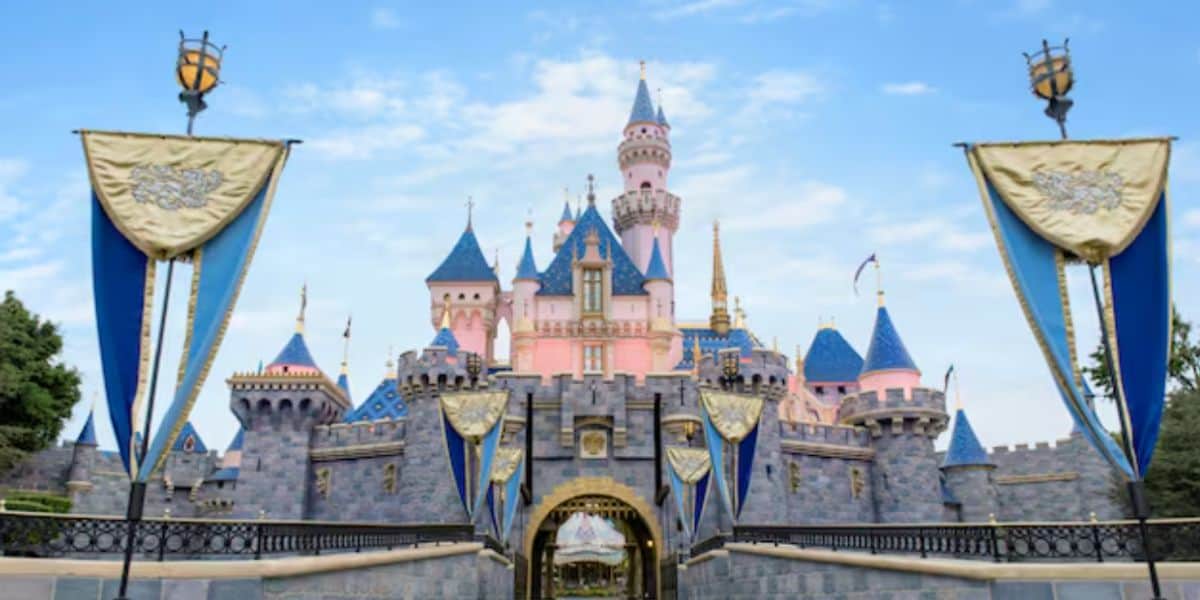
Reseller culture was once restricted to rare sneakers, concert tickets, and hard-to-find tech gadgets. Today, scalpers have crossed into a new market: theme park admission passes.
Theme park enthusiasts were left frustrated after viral videos surfaced online showing flippers clearing retail display racks of deeply discounted Disneyland ticket packages. The sight of buyers loading shopping carts with stacks of promotional passes sparked widespread backlash across social media, where fans decried the reselling culture creeping into everyday park visits.
As scalpers expand from flipping physical souvenirs to reselling park admissions, everyday families are finding themselves priced out of promotional deals—and pushed to secondary resale markets. Here is an in-depth look at how ticket arbitrage works, why retailers permit it, and how merchandise flipping inside the parks continues to impact the guest experience.
The Wholesale Ticket Arbitrage: How Flippers Cleared the Shelves
The recent controversy erupted after wholesale giant Costco placed a deeply discounted Disneyland ticket bundle on its warehouse shelves.
To maintain brand perception and pricing power, Disney strictly guards its official gate prices on primary channels. To offer promotional discounts without lowering its posted headline numbers, Disney routes special packages through third-party retail partners. However, when Costco stocked a physical ticket bundle valued at $563 for a wholesale price of $329.99, resellers immediately spotted a massive arbitrage opportunity.
The Math Behind the $233 Spread
Breaking down the numbers on the bundle explains why scalpers rushed the warehouse aisles before families had an opportunity to buy:
- 2-Day Park Hopper Ticket: Retails for $445 on Disney's official site.
- Lightning Lane Multi Pass: Valued at approximately $68.
- Disney Dining Credit: Includes $60 in park food and beverage vouchers.
- Total Package Value: $563.
- Costco Shelf Price: $329.99.
This created an unprecedented $233 price spread on a physical store rack. Acquiring these cards required no online queue bots—just a $65 Costco membership and the ability to pull physical display cards by the armful.
By listing these ticket bundles online for around $463, a reseller could undercut Disney’s official gate price by $100 while still securing a $133 profit per card. Clearing 20 cards off a rack generated over $2,600 in profit for ten minutes of effort inside a warehouse.
Why Retailers Let It Happen
For major warehouse chains, reseller buyouts are often viewed as a feature of their business model rather than a flaw.
High-value, low-margin items—similar to how physical cases buy up gold bars priced close to spot value—drive massive foot traffic and record membership renewals. Viral videos of empty store racks serve as free publicity, encouraging shoppers to buy a $65 annual membership. The collateral damage falls on everyday families, who are left to purchase marked-up tickets on platforms like Facebook Marketplace from the very resellers who emptied the display racks.
The Merchandise Reselling Crisis Inside Disney Parks
While ticket flipping represents a recent escalation, sweeping physical merchandise inside Disney Parks has been an ongoing issue for years.
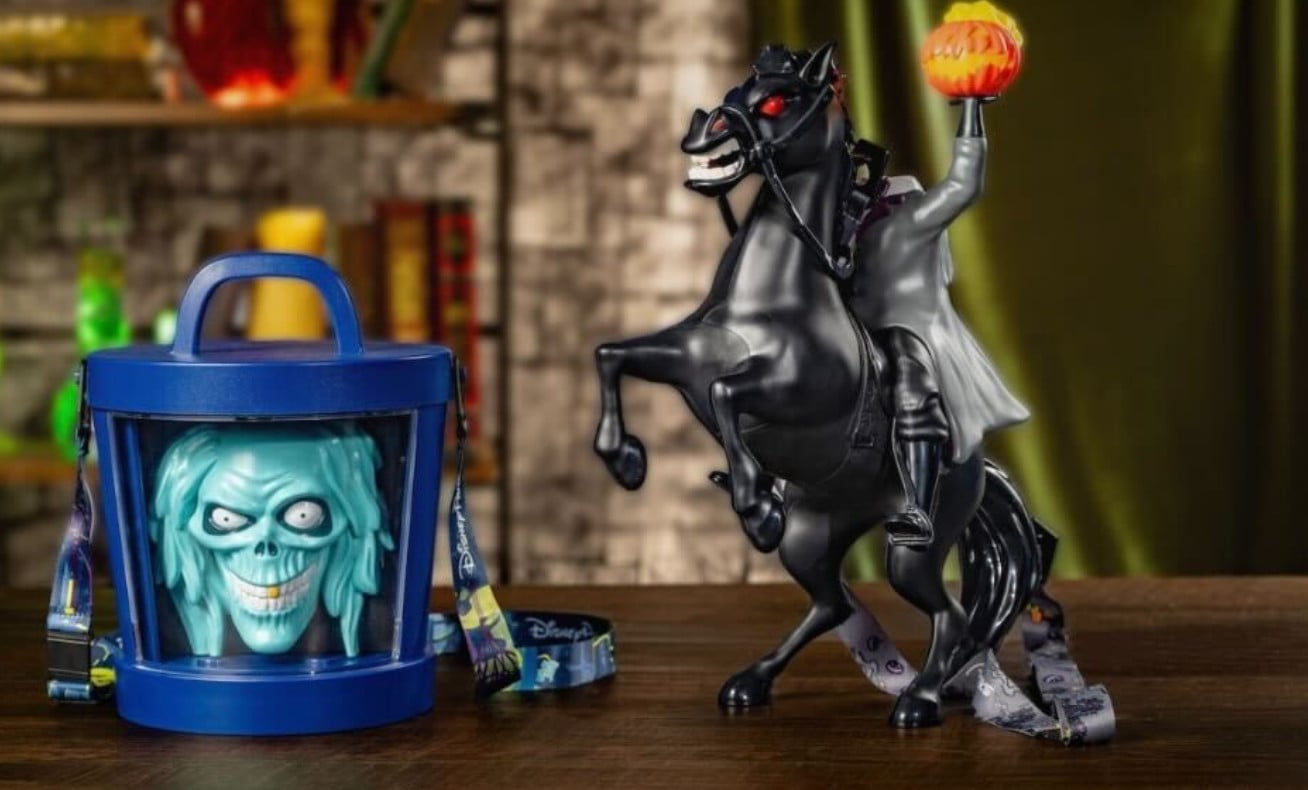
Resellers frequently target limited-edition merchandise drops across Disneyland Resort and Walt Disney World. High-demand items—such as seasonal novelty popcorn buckets, Starbucks tumblers, limited-release Minnie Mouse ear headbands, and collectible pins—often command steep markups on secondary platforms like eBay and Mercari.
How Park Sweeps Work
Merchandise scalpers execute their sweeps with systematic, team-based efficiency:
- Rope-Drop Speed: Resellers secure early park access or queue up hours before opening to reach flagship retail shops, like World of Disney or the Emporium, first.
- Bypassing Purchase Caps: Although Disney enforces per-item purchase limits (typically two to four identical items per guest), reseller groups work in teams to complete multiple transactions, emptying store shelves within minutes.
- On-Site Resale Listings: Resellers regularly photograph items inside the park—resting them on park benches, trash cans, or strollers—and list them online as “IN HAND” before stepping foot outside the gates.
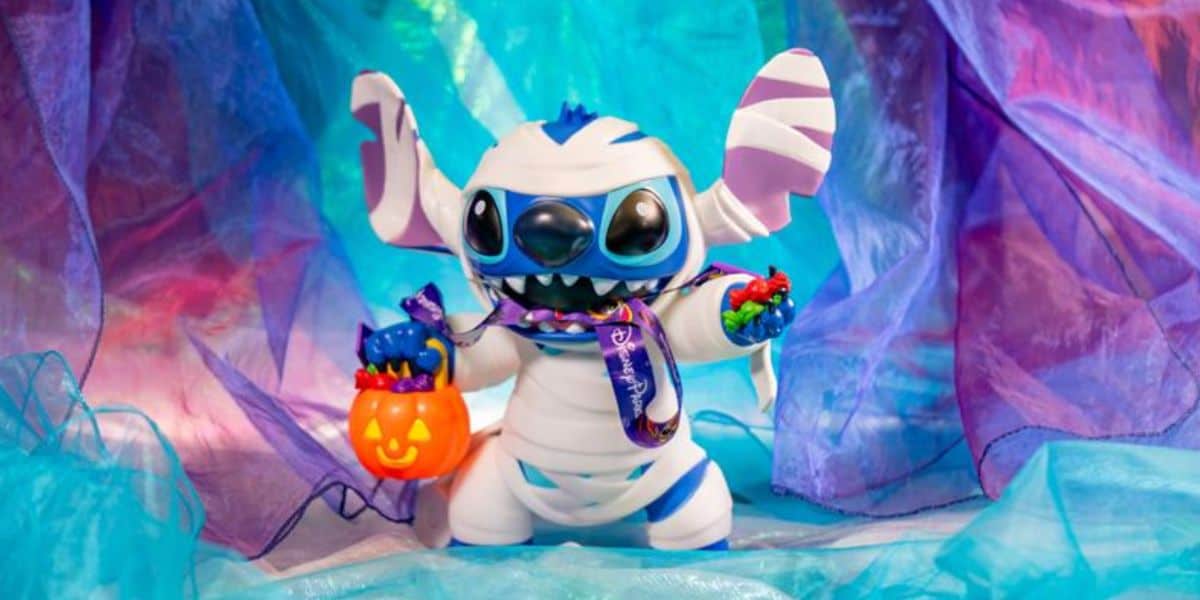
High-profile releases, such as EPCOT's Figment Popcorn Bucket or seasonal Haunted Mansion collectibles, have seen standby lines stretch for several hours as resellers walk away with duffel bags of merchandise. For vacationing families who saved for months, encountering empty shelves and witnessing bulk purchases significantly detracts from the magic.
What Lies Ahead for Theme Park Pricing
The transition from flipping physical souvenirs to reselling park admission passes highlights a growing gap between corporate distribution methods and consumer fairness.
While Disney utilizes biometric turnstiles and photo verification to prevent multi-day ticket transfers after their initial use, unlinked promotional gift cards and pass vouchers purchased at retail remain vulnerable to reselling. Until retailers enforce stricter purchase limits or mandate point-of-sale digital identity linking, arbitrage will continue to bridge the gap between wholesale discounts and gate prices—leaving everyday parkgoers to bear the cost.