
Disney wants to make conversations with its characters feel more realistic, and two newly approved patents suggest the company is exploring a surprising way to achieve that.
Character meet-and-greets have long been a major part of visiting Walt Disney World and other Disney parks. Families wait in line to meet Mickey Mouse, Disney princesses, and other familiar faces, hoping to create memories they'll remember for years.
But what if those characters could respond to guests' personal experiences instead of relying on traditional dialogue?
Disney's latest artificial intelligence patents explore that possibility, including technology that could recognize emotional details and use personal memories to shape conversations.
While the idea could create exciting new experiences, it also raises questions about guest privacy.
Disney's New Patents Could Change How Characters Communicate
Disney recently secured two patents focused on making artificial intelligence characters more responsive during conversations.
Both patents were originally filed in March 2023 and received approval on September 8, 2026.
One patent, “Emotionally Responsive Artificial Intelligence Interactive Character,” describes technology that uses machine learning to analyze conversations between people and virtual characters.
The system could examine information shared during an interaction, identify emotional details, and generate responses based on what someone says.
Disney's second patent, “AI Generated Creative Content Based on Shared Memories,” takes a slightly different approach.
This technology focuses on encouraging people to share personal memories and using those experiences to create customized content.

For example, someone might describe a special birthday celebration. An AI character could recognize important details from the story, consider the emotions involved, and use that information to create a more personal response.
Together, the patents suggest Disney is interested in making character interactions feel more connected to individual guests.
However, Disney hasn't announced plans to introduce either technology at Walt Disney World or its other theme parks.
What Could This Mean for Future Disney Character Meet-and-Greets?
The possibilities become especially interesting when considering how families currently interact with Disney characters.
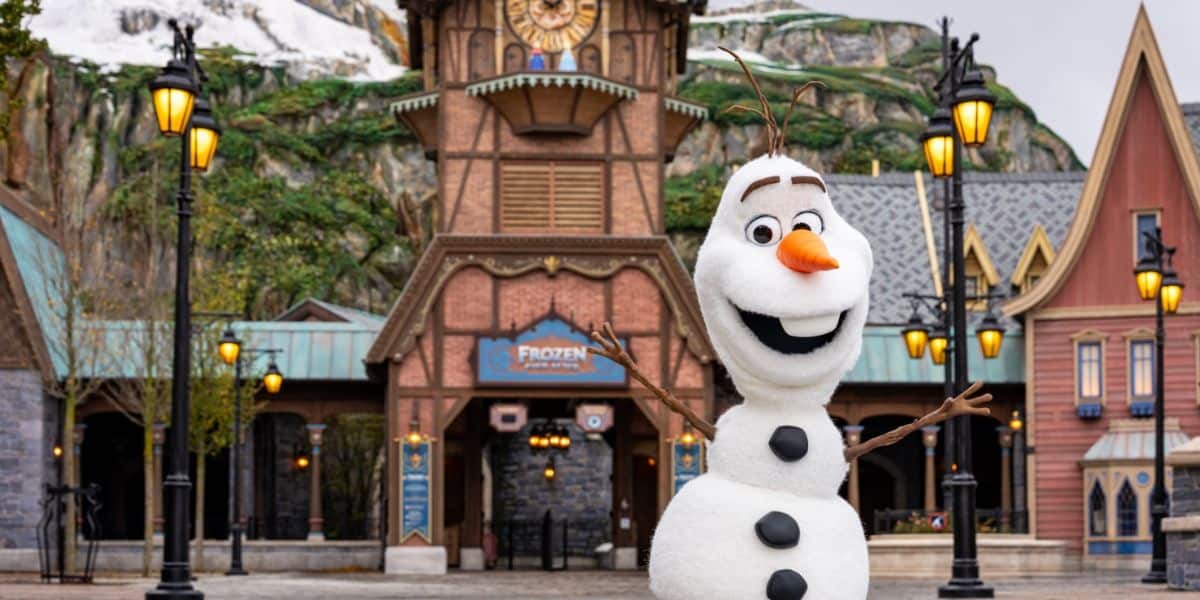
Imagine a child meeting Olaf and telling him about a birthday party they recently attended.
An AI-powered Olaf could potentially respond to specific details about the celebration, ask what made the day special, or incorporate that information into the conversation.
Instead of receiving the same response another guest might hear, the child could enjoy an interaction shaped around their own experience.
Similar technology could potentially work with other characters.
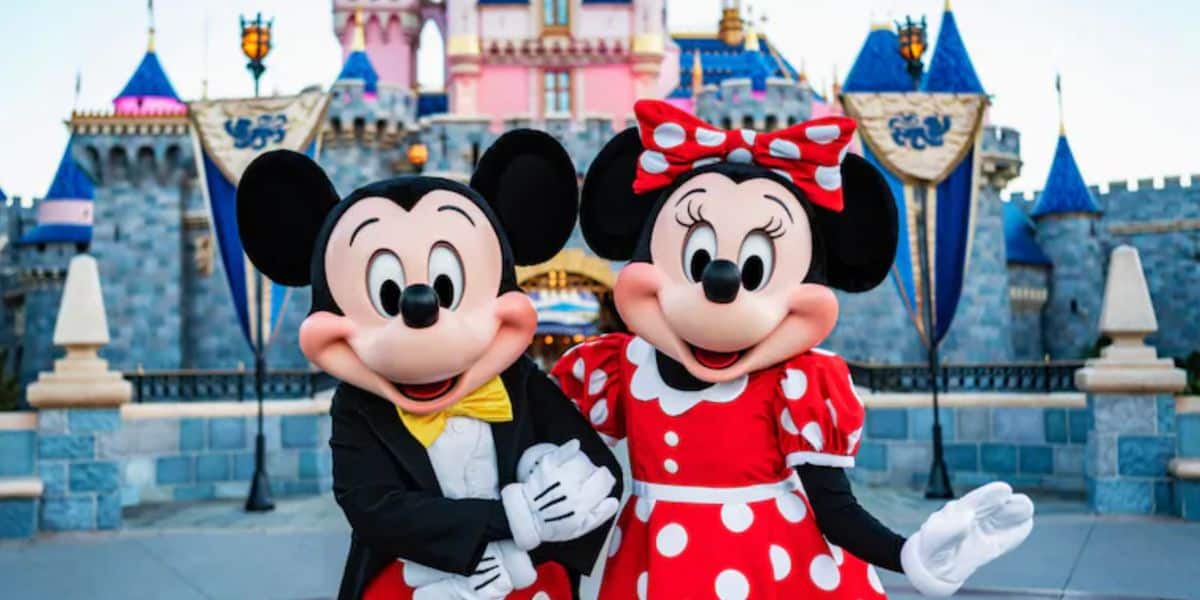
Mickey Mouse might react to a family's anniversary story, while a Disney princess could respond to something meaningful a young guest shares.
These are hypothetical situations, not experiences Disney has confirmed.
It's also important to understand what the patents don't establish.
Although the technology could use information shared during conversations, that doesn't automatically mean Disney characters would recognize returning visitors.
Remembering someone from a previous vacation would require additional systems capable of identifying them and retrieving prior interactions.
Disney hasn't confirmed that either patent includes those capabilities.
Nevertheless, the concepts could open the door to character experiences that feel more spontaneous and personalized.
Could Disney's Technology Collect Personal Information From Guests?
Of course, using artificial intelligence to understand personal memories introduces another issue: privacy.
For the technology to work, it would need to process information people share with virtual characters.
Depending on the conversation, that information could involve names, family experiences, emotional moments, or other personal details.
Parents might understandably wonder what happens to that information after an interaction ends.
Would Disney save conversations? Could guests control which details the system remembers? Would families know how their information gets used?
Disney hasn't provided answers because it hasn't announced a theme park rollout or explained how such a system would handle guest data.
Importantly, analyzing information doesn't necessarily mean permanently recording or storing it.
Disney could potentially design technology that responds during individual conversations without maintaining personal histories.
A more advanced system that remembers guests across visits, however, would require additional data storage and retrieval capabilities.
There's also the question of whether Disney might eventually use conversational patterns to understand guest experiences better.
While that possibility raises interesting questions, the company hasn't confirmed plans to use these patented systems for guest research or tracking.
Disney's Future Character Experiences Remain Uncertain
Disney's latest patents provide an interesting glimpse into how artificial intelligence might influence future theme park entertainment.
Characters could eventually respond to emotional information, incorporate personal stories, and make conversations feel more meaningful.
For families, that could create memorable moments that feel different from traditional character encounters.
Still, there's no guarantee Disney will bring these concepts into its parks.
The patents show what the company is exploring, not what guests should expect during their next vacation.
Until Disney announces an actual experience, questions about implementation, guest recognition, and privacy will remain unanswered.