
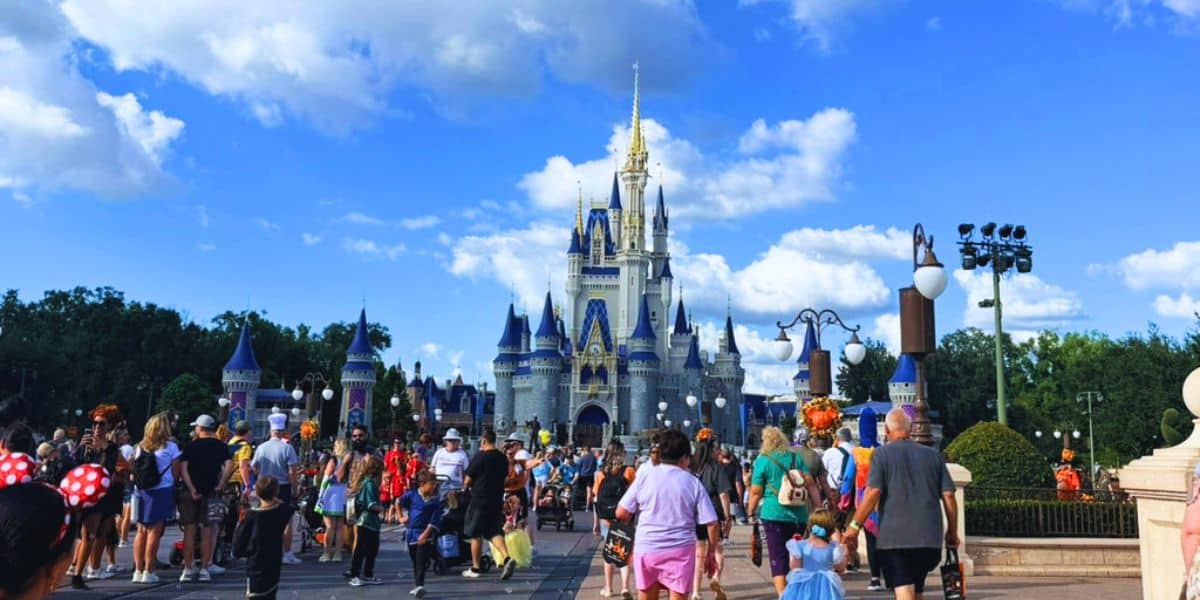
Disney is reportedly cutting between 100 and 200 jobs in its theme parks division, bringing a new workforce reduction to Disney Experiences. The Los Angeles Times reported the layoffs on October 28, citing an unnamed person familiar with the matter. Disney declined to comment.
For visitors, the immediate question is whether the reductions will eventually change what they experience inside the parks. That includes live performances, character encounters and the smaller creative touches between attractions. However, the supplied report does not identify affected roles or establish any resulting entertainment cuts.
What Disney Experiences Layoffs Actually Establish
Disney Experiences covers theme parks, Disney Cruise Line and Aulani in Hawaii. That organizational scope should not be mistaken for a list of affected destinations: the report does not establish whether Walt Disney World, Disneyland Resort or any particular ship or hotel is losing employees.
Inside the Magic previously covered Disney’s September workforce reductions, providing context for the company’s broader staffing changes. Those earlier reports do not identify the employees affected by this latest development. insidethemagic.net
The distinction matters for Central Florida readers. A division that includes Walt Disney World can undergo layoffs without every resort, park or operating team being affected. A location breakdown remains necessary before describing this as an Orlando staffing reduction.

Why Entertainment Staffing Deserves Attention
Disney’s own explanation of Disney Live Entertainment describes work extending from nighttime spectaculars to intimate character encounters. Its teams include writers, choreographers, lighting designers, technical directors and music producers.
That is why a potential reduction in creative capacity warrants scrutiny. The concern is an editorial inference: losing specialized expertise could make developing or refreshing entertainment harder. It is not evidence that these particular layoffs have removed those specialists.
Disney’s account of the collaboration between Imagineering and live entertainment also emphasizes their involvement early in projects. Shows depend on decisions made long before guests gather along a parade route.
Our look at the making of Disney Starlight illustrates that creative process. Coverage of Hollywood Studios’ new theatrical productions offers another example of entertainment requiring more than performers appearing onstage.
Past Changes Need Their Own Context
Previous entertainment reductions make useful comparisons, but they cannot establish the consequences of an unrelated staffing decision. Inside the Magic’s reporting on Avengers Campus entertainment changes concerned Disney California Adventure in California, not Walt Disney World.
Similarly, coverage of changes to a Pixar stage production at Disneyland Paris described a shorter presentation alongside an additional daily performance. A shorter show and fewer opportunities to see a show are different guest outcomes.
Those examples underline why the details matter. A revised runtime, a temporary scheduling adjustment and a permanently removed offering should never be bundled together as proof of one companywide decline.
For this story, there is no sourced basis to declare that a parade has been canceled, a character greeting eliminated or a production reduced because of the reported layoffs. Any such connection would require separate reporting.
What Visitors Should Watch For
Entertainment is part of a park day even when it is not the main reason someone buys a ticket. Disney’s official portfolio describes atmosphere acts, musical interludes and character interactions alongside larger productions.
That provides a concrete way to assess future developments: look for documented changes to what guests can actually experience. The relevant questions concern availability, performance frequency, production scope and whether replacements are offered.
For someone planning a Walt Disney World vacation, the official entertainment directory is a useful starting point for checking listed offerings and performance information. Travelers should check their specific dates rather than assume every entertainment listing applies throughout a trip.
The layoff report alone is not a reason to rewrite an itinerary. It supplies no identified cancellation for a vacation planner to remove. Equally, the absence of an announced cancellation cannot guarantee that future offerings will remain unchanged.
What Needs to Become Clear Next
The next meaningful development would be a reliable breakdown of affected locations, departments and responsibilities. That would allow readers to distinguish corporate support reductions from changes involving creative development or daily park operations.
If entertainment leadership or design roles are independently established as affected, the next question would concern responsibilities: whether work is reassigned, projects change or guest offerings are altered. Headcount alone cannot answer those questions.
Disney’s atmosphere is a legitimate subject for scrutiny because the company itself describes entertainment as central to bringing its spaces to life. Preserving that experience requires attention to both major productions and smaller encounters.
Until that information emerges, claims that these layoffs will visibly diminish park quality go further than the available evidence can support.
For now, the defensible story is a reported workforce reduction with unresolved operational consequences. Further coverage should follow identifiable staffing information and documented entertainment changes, giving visitors evidence they can use when planning their next Disney trip.


