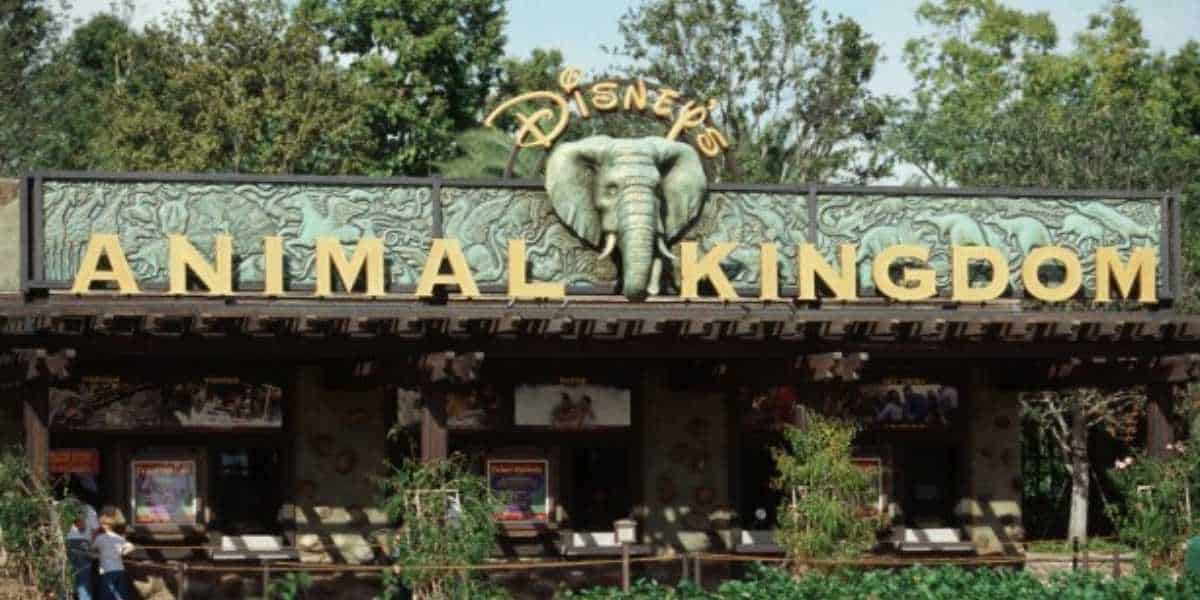
Animal Kingdom distinguishes itself among Walt Disney World's four theme parks through its unique conservation focus and integration of live animal exhibits with traditional theme park attractions, creating environments where guests encounter wildlife alongside rides and shows that celebrate nature and global cultures.
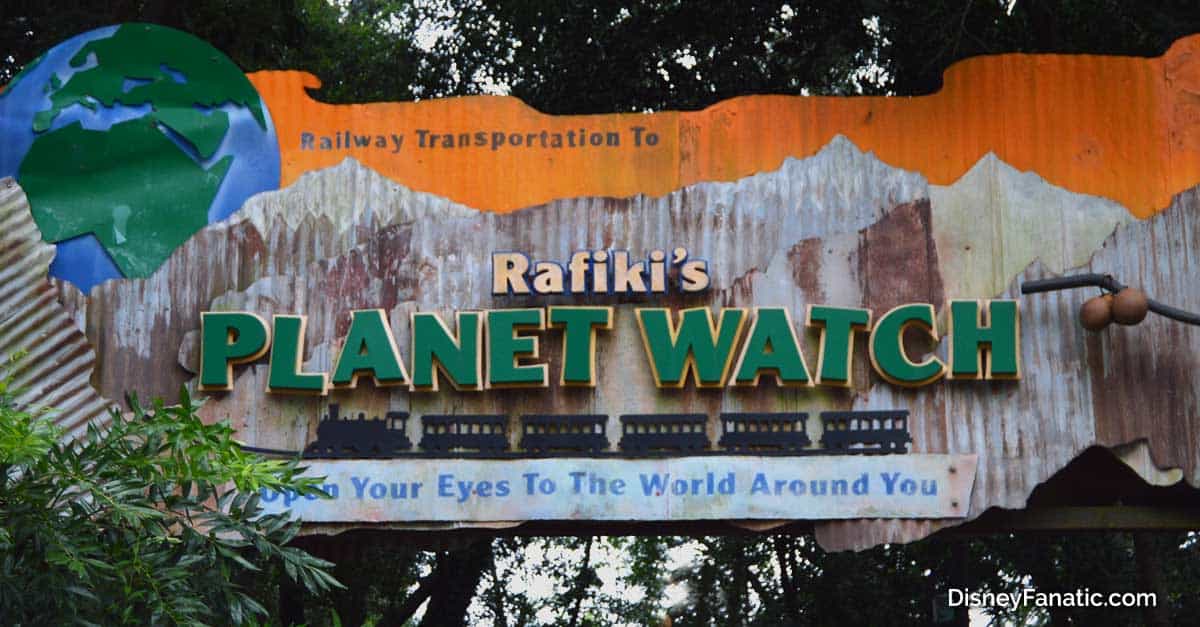
Since opening in 1998, the park has evolved to include Pandora: The World of Avatar, extensive animal trails throughout Africa and Asia themed lands, and educational experiences designed to inspire environmental stewardship alongside entertainment value that defines modern Disney theme parks. Rafiki's Planet Watch represents the park's most explicitly educational area, accessible exclusively via the Wildlife Express Train that transports guests from Africa's Harambe station to the remote conservation facility housing veterinary operations, animal care demonstrations, and the Affection Section petting zoo where children interact with domesticated animals under staff supervision.
The area's isolated location separate from the park's main pathways has historically limited visitor traffic compared to high-profile attractions like Kilimanjaro Safaris or Flight of Passage, positioning Planet Watch as a supplementary experience for guests with time to explore beyond the primary attraction lineup. Disney's decision to transform Rafiki's Planet Watch into a Bluey character destination launching summer 2026 reflects strategic thinking about leveraging the Australian children's show's extraordinary popularity to revitalize an underperforming park area while adding family-friendly content during a transitional period when construction affects other sections. Bluey has achieved remarkable cross-generational appeal that transcends typical children's programming demographics, creating passionate fanbases among parents and kids that translate to massive demand for character experiences, merchandise, and themed content that Disney recognizes as opportunity to enhance Animal Kingdom's family appeal.
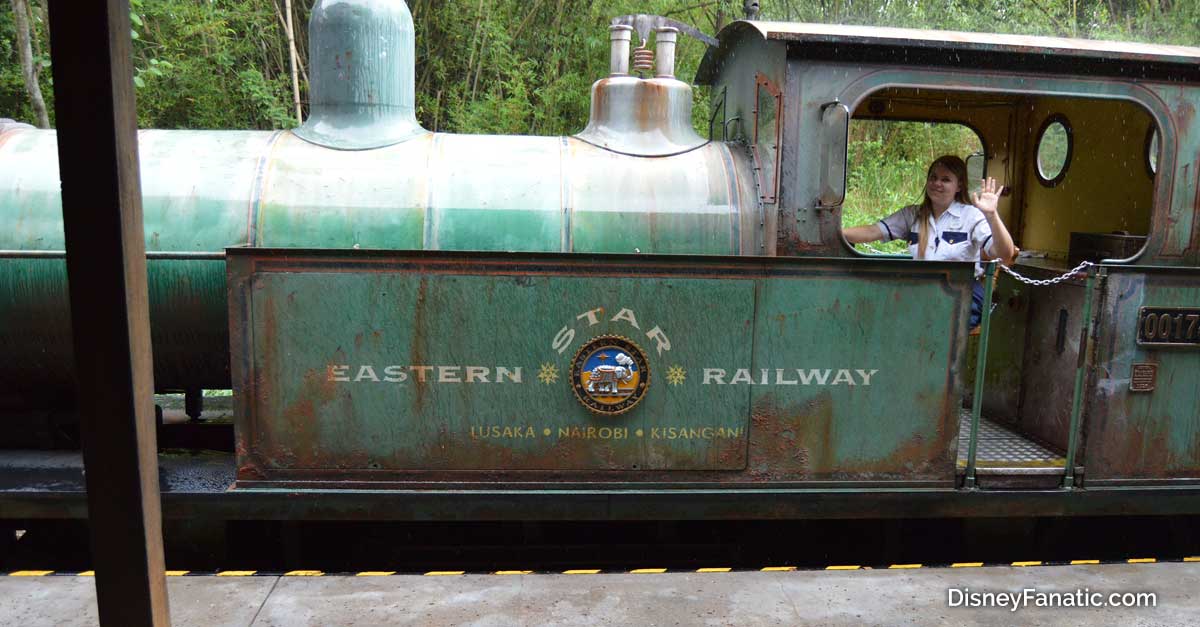
Tomorrow's closure of the Wildlife Express Train and Rafiki's Planet Watch initiates the transformation period extending through summer when the reimagined area debuts with Bluey and Bingo character encounters, interactive activities, and Australian animal exhibits connecting to the show's Brisbane setting. The extended closure removes an entire park section from guest access during a period when Animal Kingdom already faces reduced capacity from DinoLand U.S.A.'s permanent closure for Tropical Americas construction, creating compounding impacts on the park's attraction lineup and family-friendly offerings that affect vacation planning for guests visiting during the spring and early summer months.
Tomorrow Marks Final Day Before Multi-Month Transformation

The Wildlife Express Train and Rafiki's Planet Watch close February 23, 2026, with reopening scheduled for summer 2026 when the new Bluey experience makes its debut. Disney has not specified an exact reopening date beyond the general summer timeframe, leaving some uncertainty about precisely when the transformed area will welcome guests.
Today represents the final opportunity for guests to experience the Wildlife Express Train journey to Rafiki's Planet Watch and visit the Affection Section petting zoo before the extended closure begins. Families wanting to see the area in its current configuration should prioritize visiting before tomorrow's shutdown.
The closure duration spanning multiple months indicates Disney is implementing substantial modifications rather than minor additions to existing facilities. Infrastructure work, theming installations, and operational reconfigurations likely require extended timelines to complete construction, testing, and staff training before the summer launch.
The Affection Section petting zoo has already closed with animals relocated from the facility. While Disney's website currently designates this as temporary closure, industry speculation suggests the petting zoo may not return when Planet Watch reopens, potentially replaced by Bluey-focused attractions or Australian animal exhibits thematically connected to the show's setting.
Conservation Station's Animation Experience is also closing, with potential relocation to The Magic of Disney Animation debuting summer 2026 at Disney's Hollywood Studios. This shift would concentrate animation-related content at the park specifically themed to entertainment production rather than maintaining animation experiences at the conservation-focused Animal Kingdom.
Bluey Experience Details and Thematic Integration
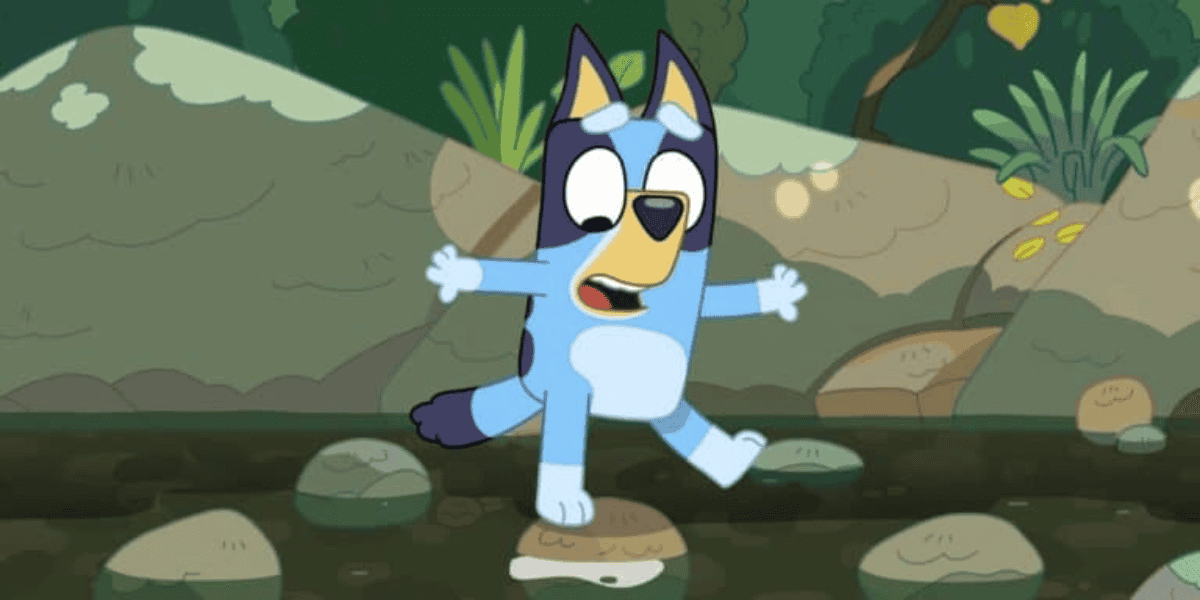
Disney has announced the Bluey experience will incorporate character meet-and-greets with Bluey and Bingo, interactive game elements, dancing activities, and animal exhibits featuring species native to Australia. The Australian wildlife focus creates appropriate thematic alignment with Animal Kingdom's conservation mission while capitalizing on Bluey's Brisbane origins for storytelling coherence.
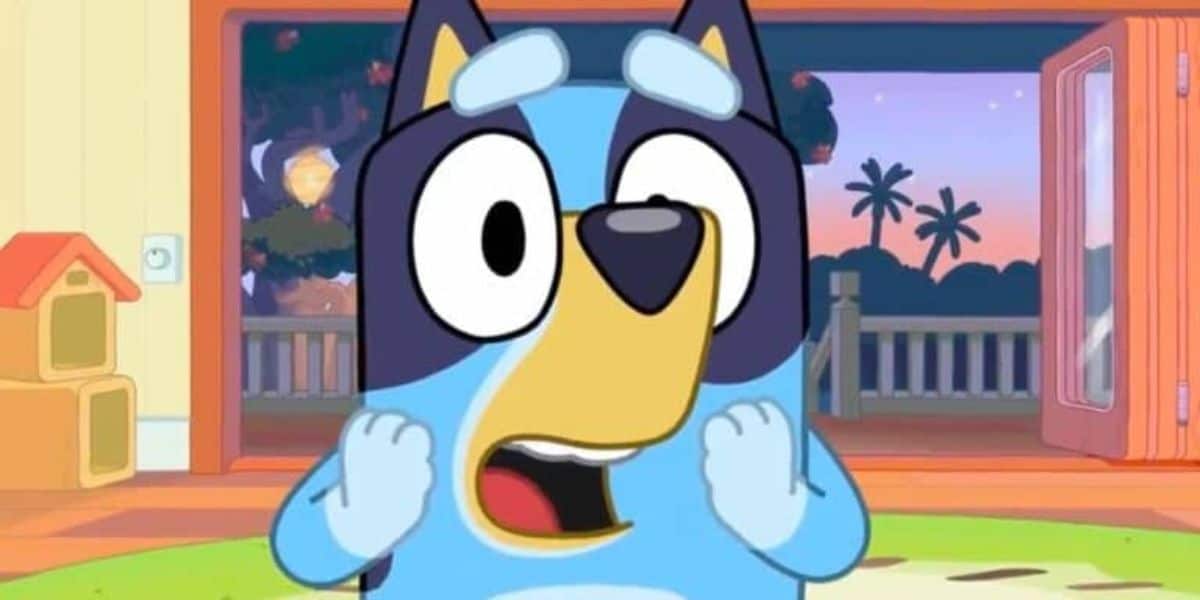
Character meet-and-greets will likely generate extraordinary demand given Bluey's unprecedented popularity spanning both children and parents. The show's rare achievement of genuine cross-generational appeal rather than the typical dynamic where kids enjoy content while parents endure it translates to massive guest interest in character experiences at Disney parks.
Interactive games and dancing activities indicate Disney is developing comprehensive engagement opportunities beyond static meet-and-greet photos, instead creating participatory experiences where children engage in Bluey-themed activities reflecting the show's emphasis on imaginative play and family bonding.
The Australian animal exhibits provide educational value consistent with Animal Kingdom's conservation themes while differentiating this experience from standard character meet-and-greets available throughout Walt Disney World property. The wildlife integration positions Rafiki's Planet Watch as maintaining educational mission despite shifting toward character-driven content.
Access Limitations Create Operational Questions
The Bluey experience's Rafiki's Planet Watch location presents inherent access challenges because the area remains reachable only via Wildlife Express Train rather than walking pathways connecting to other park sections. This transportation requirement means guests cannot casually encounter Bluey while moving between attractions, instead making deliberate decisions to commit time to a dedicated journey involving multiple stages.
The access process requires guests to queue for Wildlife Express Train boarding, ride the train to Planet Watch, disembark and navigate to Bluey experiences, participate in meet-and-greets and activities potentially involving their own queues, then repeat the entire train process in reverse to return to the main park. This multi-step sequence could easily consume two hours during peak attendance periods, representing substantial portions of limited park days.
Current observations indicate the Wildlife Express Train already experiences 20-minute waits during busy periods without any major draw at Planet Watch. Adding what will likely become one of Animal Kingdom's most popular character destinations could exponentially increase these waits, creating bottlenecks before guests even reach the actual Bluey content.
The isolated location prevents guests from easily gauging wait times before committing to the journey. Once aboard trains heading to Planet Watch, families face choices between waiting for Bluey experiences regardless of queue length or immediately boarding return trains without experiencing their intended destination, creating frustrating scenarios when demand exceeds comfortable parameters.
Rafiki's Planet Watch's physical environment was designed for the modest crowds it previously attracted as an optional educational venue. The infrastructure may struggle accommodating substantially larger visitor volumes Bluey will generate, potentially creating congestion and uncomfortable crowding even with improvements Disney implements during the closure period.
Reduced Park Capacity During Transitional Period
The Wildlife Express Train and Rafiki's Planet Watch closure temporarily removes an entire park area during a period when Animal Kingdom already faces capacity constraints. DinoLand U.S.A. permanently closed earlier in 2026 for Tropical Americas land development, meaning Animal Kingdom loses access to two distinct areas simultaneously.
This dual closure amplifies Animal Kingdom's existing limitation of offering fewer major attractions compared to Magic Kingdom, EPCOT, or Hollywood Studios. The park's primary ride portfolio consists of Flight of Passage, Na'vi River Journey, Kilimanjaro Safaris, Expedition Everest, and Kali River Rapids, supplemented by theatrical shows, walking trails, and animal viewing areas that provide value but don't offer the continuous-access attraction capacity that effectively manages crowd distribution.
For families with young children specifically, the closures create pronounced challenges. DinoLand U.S.A. provided carnival-style attractions and the Boneyard playground offering age-appropriate experiences for toddlers and elementary-age visitors. Rafiki's Planet Watch offered the Affection Section petting zoo providing gentle animal interactions suitable for very young guests. Simultaneously losing both areas removes significant family-friendly capacity during construction periods already constraining Animal Kingdom's operational flexibility.
Remaining attractions skew toward older demographics. Flight of Passage enforces 44-inch height requirements. Expedition Everest requires 44-inch minimums and delivers intense thrill experiences. Kali River Rapids mandates 38-inch minimums and thoroughly soaks passengers. Even attractions without height restrictions like Na'vi River Journey reference Avatar franchise content potentially unfamiliar to young children who haven't engaged with the films.
Festival of the Lion King and Finding Nemo: The Big Blue and Beyond deliver age-appropriate entertainment but operate on scheduled showtimes rather than providing continuous access, limiting their capacity to absorb crowds compared to traditional attractions with ongoing queue availability.
Vacation Planning Considerations
Families planning Walt Disney World vacations between February 23 and summer 2026 should recognize Animal Kingdom currently offers diminished capacity affecting its value relative to other parks, particularly for groups with young children who previously benefited from now-closed DinoLand U.S.A. and Rafiki's Planet Watch experiences.
Guests prioritizing Bluey character encounters should delay Animal Kingdom visits until post-summer 2026 Planet Watch reopening when the new experience becomes available. However, families should simultaneously prepare for substantial waits and potential operational complications once Bluey debuts given the massive demand likely to stress the isolated Planet Watch location's infrastructure.
Travelers with young children might consider reducing Animal Kingdom time allocation during the closure period, potentially treating it as a partial-day park while dedicating more hours to Magic Kingdom, EPCOT, or Hollywood Studios offering more extensive age-appropriate attraction rosters currently unaffected by construction.
Park Hopper tickets provide flexibility for families to experience Animal Kingdom highlights like Kilimanjaro Safaris and Festival of the Lion King without dedicating entire days to a park currently offering constrained options, then transitioning to other Walt Disney World parks with more comprehensive attraction lineups for afternoon and evening hours.
Tropical Americas land's 2027 opening will eventually restore capacity through new Encanto and Indiana Jones attractions, but guests visiting throughout 2026 must account for current reduced offerings affecting Animal Kingdom's competitive positioning within the four-park Walt Disney World portfolio.
The reality is that Animal Kingdom is losing significant infrastructure right when the park can least afford it, with both DinoLand and Rafiki's Planet Watch gone while Tropical Americas construction walls dominate sightlines and reduce usable guest space. If you're traveling with young kids who would have loved the playground and petting zoo, you'll definitely feel those losses in a park that already skews toward older children and adults with its thrill ride focus.
The Bluey addition will eventually address the family-friendly gap, but nobody seems to be talking about whether Disney actually considered the logistical nightmare of funneling thousands of Bluey fans through a single train system to reach an isolated area with limited space and no alternative access routes when demand inevitably exceeds capacity. Plan accordingly for reduced Animal Kingdom time until summer, and prepare for potential chaos once Bluey actually opens unless Disney has infrastructure solutions nobody's seen yet.