
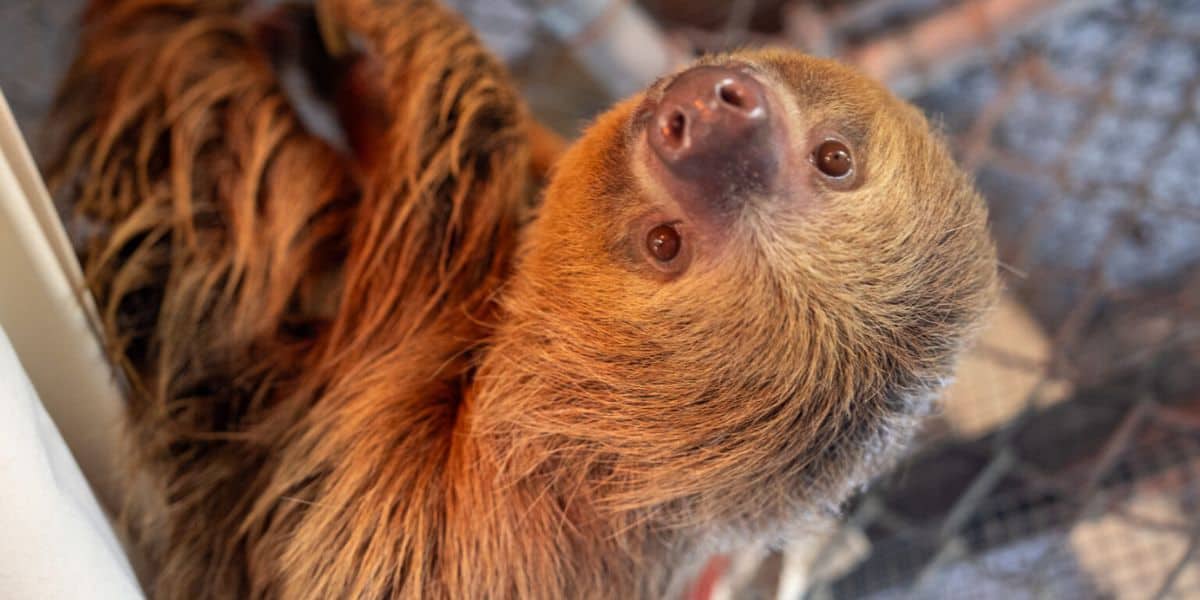
The Central Florida Zoo has confirmed another loss in its months-long effort to rehabilitate a group of sloths rescued from the now-closed Sloth World facility. Willow, one of 13 sloths who arrived at the Zoo on April 24, has passed away after weeks of declining health that medical treatment could not reverse.
What Led to Willow's Passing
According to the Zoo, Willow received daily care and regular medical treatment from its Animal Care, Nutrition, and Veterinary teams from the moment she arrived. Despite that consistent attention, her condition steadily worsened over the following weeks. The Zoo brought in outside expertise through the Association of Zoos and Aquariums to conduct a thorough quality of life assessment, and based on that evaluation, veterinarians made the decision to humanely euthanize her to prevent further suffering.
The symptoms Willow displayed in her decline closely mirrored those seen in several sloths who arrived at the Zoo already in critical condition back in April, when the rescue group first reached Florida. Many of the 13 sloths transferred to the facility were underweight, dehydrated, or suffering from digestive issues at the time of their arrival, underscoring how dire the circumstances were for this entire group of animals before they ever reached the Zoo's care.
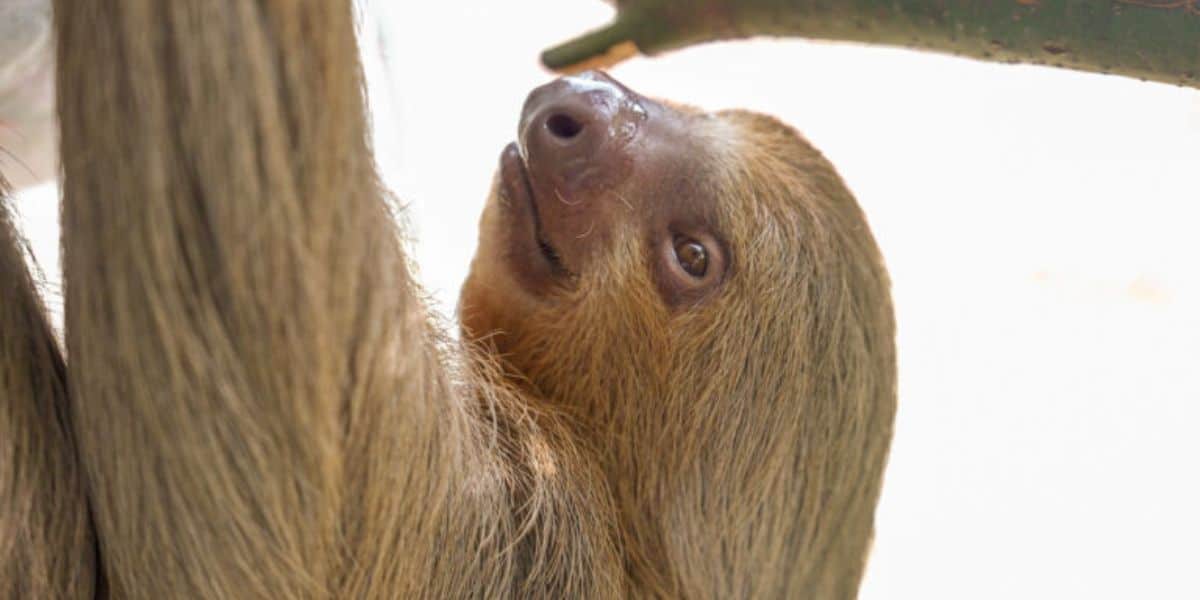
Central Florida Zoo CEO Richard Glover addressed Willow's death directly, describing the loss as deeply saddening while affirming that the animal care team devoted countless hours to her treatment. That balance, genuine grief paired with confidence in the effort behind the care, has defined much of the Zoo's communication throughout this entire rescue process.
The Sloths Still Fighting to Recover
Eight sloths remain in the Zoo's care following Willow's death: Chewy, Dolce, Phantom, Blackberry, Hazel, Leeloo, Mojo Jojo, and Pearl. All eight continue in quarantine, where staff closely monitor their condition and provide whatever treatment their recovery requires. The Zoo has repeatedly emphasized that a low-stress environment is essential to helping these animals heal, which has shaped many of the decisions made throughout this process, including how the sloths are handled day to day.
Public updates from the Zoo have offered insight into the individual personalities emerging among the survivors. Blackberry and Hazel, two larger female sloths who share a habitat, have shown distinctly different temperaments, with Blackberry eager to meet keepers at feeding time and Hazel typically found relaxing in a hammock.
Phantom has drawn particular attention after staff discovered markings on the sloth's abdomen upon arrival, which the Zoo believes were placed by wildlife traffickers as identification markers before transport and sale, a detail that speaks directly to the troubling circumstances behind this entire rescue.
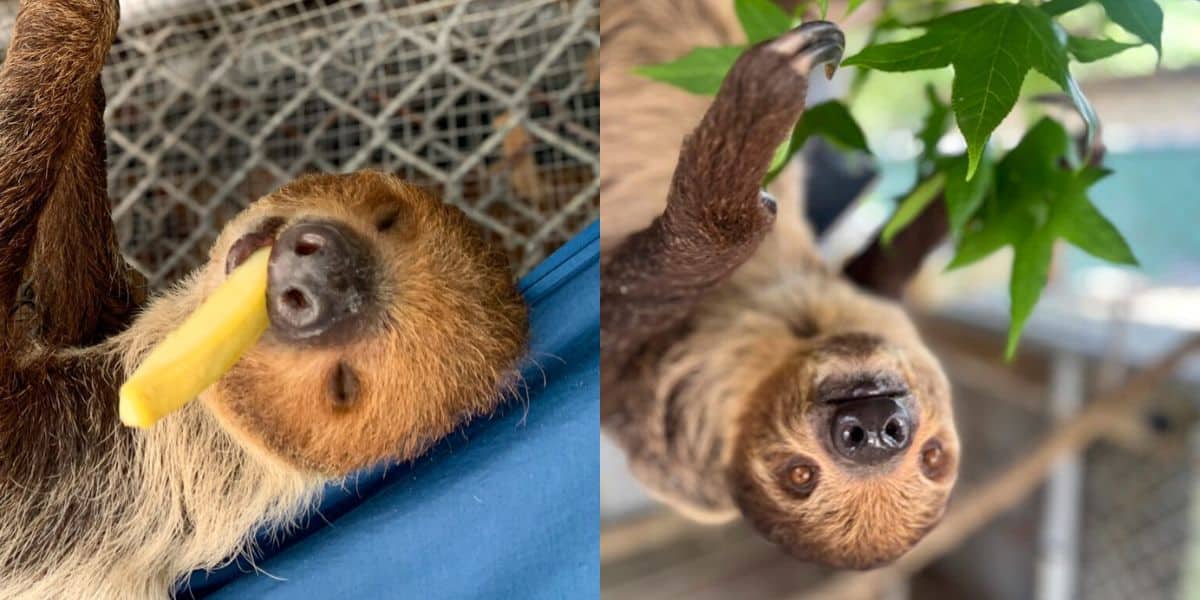
The care team has also worked to gather voluntary weight measurements using a specially designed weigh box that allows sloths to be coaxed in with favorite foods rather than handled directly, reducing stress during the process. Willow, Mojo Jojo, and Leeloo were among the first sloths successfully weighed using this method.
A Difficult but Ongoing Sloth Mission
Willow's death marks a painful setback in an effort that has already asked an enormous amount of the Zoo's animal care professionals since April. The team's commitment to the remaining eight sloths has not wavered, and the Zoo has continued to thank the community for its support throughout the process.
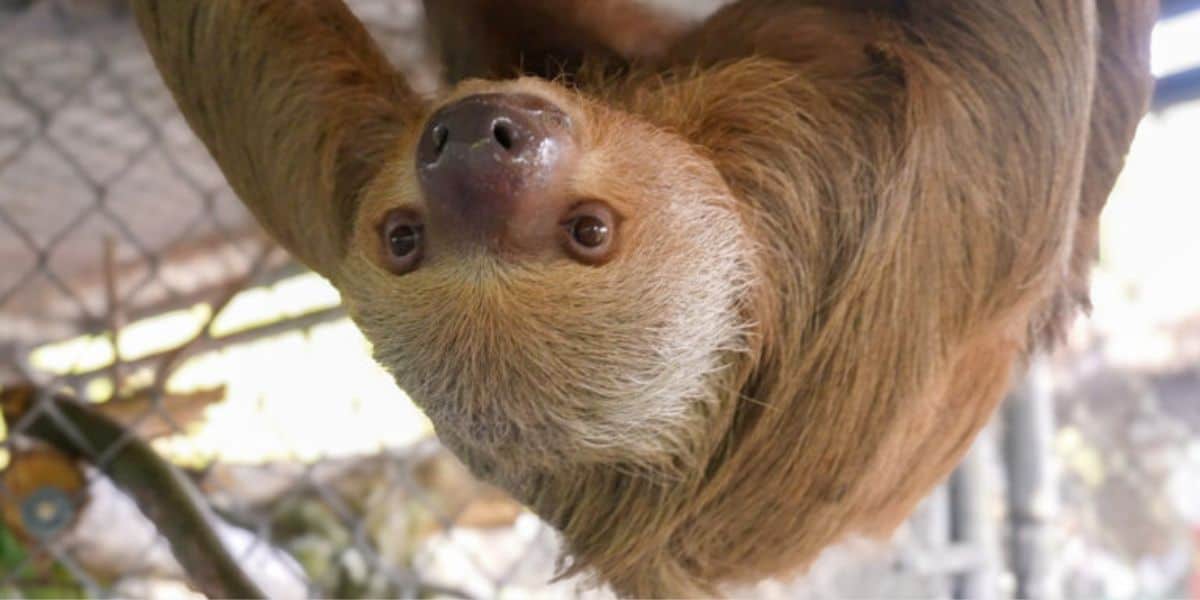
As Chewy, Dolce, Phantom, Blackberry, Hazel, Leeloo, Mojo Jojo, and Pearl continue their recoveries, the Central Florida Zoo is expected to keep the public updated, sharing both the hard days and the meaningful progress that come with caring for a group of animals whose path to safety began under conditions no animal should have endured.