Lucasfilm is once again reshaping the future of Star Wars, and the latest shift suggests a fundamental change in how the franchise will move forward.

After establishing a strong foothold on Disney+ with The Mandalorian, the studio is now redirecting its focus back to theatrical storytelling. The move comes with a major development: the planned fourth season of the hit series has been sidelined, even though it has already been written. Instead, the story continues in a different form entirely.
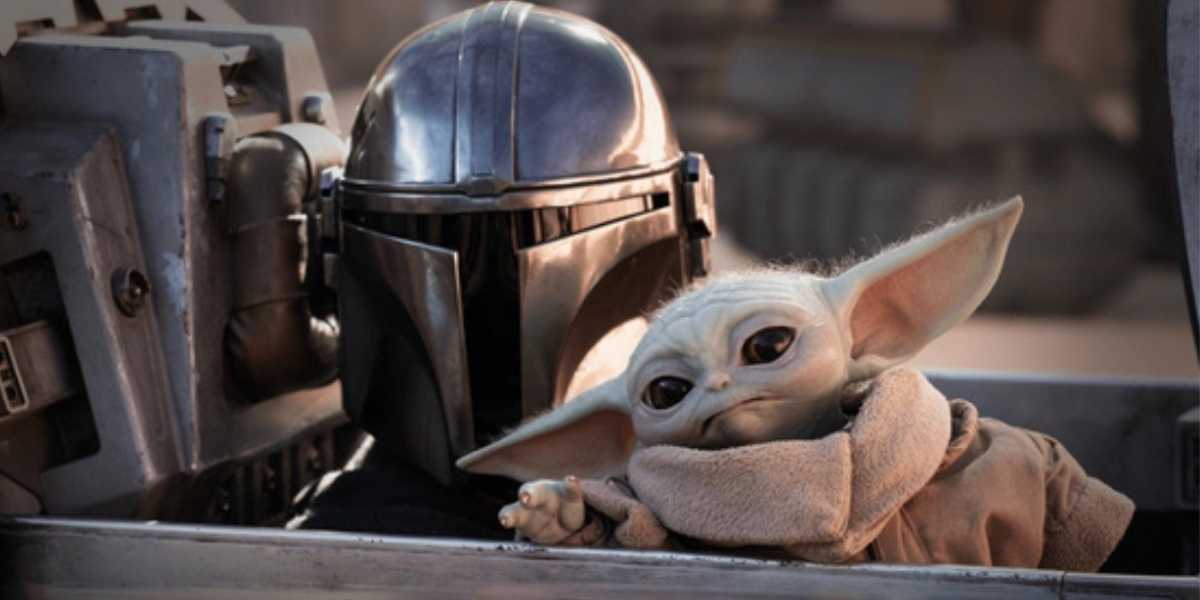
The Mandalorian launched in 2019 and quickly became a defining success for Disney+, introducing audiences to Pedro Pascal's Din Djarin and Grogu while revitalizing interest in Star Wars on the small screen. Its popularity led to an expanding slate of interconnected series, including The Book of Boba Fett, Ahsoka, and Skeleton Crew. Together, these projects formed a shared narrative timeline often referred to as the Mando-Verse.
However, that expansion has slowed. While Ahsoka Season 2 remains in progress, other projects have lost visibility, and the once cohesive plan now appears more fragmented.

Jon Favreau has confirmed that scripts for Season 4 are complete, making its pause particularly notable. Typically, a finished season would move swiftly into production, but that is not the case here. The decision signals a shift not just in scheduling, but in overall creative direction.
Rather than continuing with episodic storytelling, Lucasfilm is moving forward with The Mandalorian and Grogu (2026), a theatrical film that brings the duo to cinemas. Favreau directs the project, working alongside Dave Filoni as part of Lucasfilm’s evolving leadership.
The film effectively replaces Season 4, marking a return to big-screen storytelling for the franchise. Favreau previously reflected on the original plan in an interview with Empire Magazine (via Geek Tyrant), saying, “We were planning on doing a fourth season,” and noting, “I had actually written all of that. I still have Season 4 sitting on my desk here.”
He explained that the transition to film required a different approach. “It’s structured around a movie structure as opposed to a serialized weekly television show,” Favreau said. “So there’s a larger throw to the whole thing.”
In a conversation with Movie Web, Favreau described the creative challenge behind the shift. “I think it's sort of a back-and-forth conversation, you know, it's like, on the one hand, here's the paint set you have. What could you do with it? So part of it is being inspired by what you have available to you and taking away its limitations. But it's also a new challenge,” he said.
“We haven't had this challenge since the beginning of season one, when people weren't seeing Star Wars on Disney. Plus, it was, you know, there were films in the movie theater. How do you engage? How do you connect with the audience in a way that's meaningful and something we're excited about?”

Favreau also highlighted how the format reshaped the narrative. “Having a two-hour format completely reframes the way, you know, because we were getting ready to do season four, and that's different, because that's like, oh, people have seen everything up to this point. How would you go from here?” he said.
“This is like season one, episode one, where it's like somebody might have seen everything with Star Wars. You've got to make it good for them, because that's your people, that's you, that's me,” he added. “But you also want to always have an outstretched hand to somebody new, who may not have done it and seen it before… So I think the form informed the story more than the story informed the form.”
Importantly, the film is not a direct adaptation of the Season 4 scripts. Favreau told SFX Magazine (via GamesRadar), “You can't just take those scripts and turn them into a movie. There were a lot of characters, it assumed you'd watched the whole show, and it was teeing up what was happening moving into [the second season of ] Ahsoka. It was about Grand Admiral Thrawn and following the larger storyline [of this era of the Star Wars timeline].”

Instead, the film has been designed to stand on its own. “This is a completely different medium, so I had to start from scratch, essentially,” Favreau explained. “There were certain things I wanted to pursue, like the idea of Grogu being the Mandalorian's apprentice.”
Early tracking suggests that anticipation for the film may not match previous Star Wars releases. In at least one survey, it failed to appear among the most anticipated titles. That shift could reflect changing audience habits or the impact of frequent Star Wars releases across multiple platforms.
The film’s reported $166 million budget is lower than many past Star Wars entries, pointing to a more measured approach. Opening weekend projections between $70 million and $85 million further suggest tempered expectations.
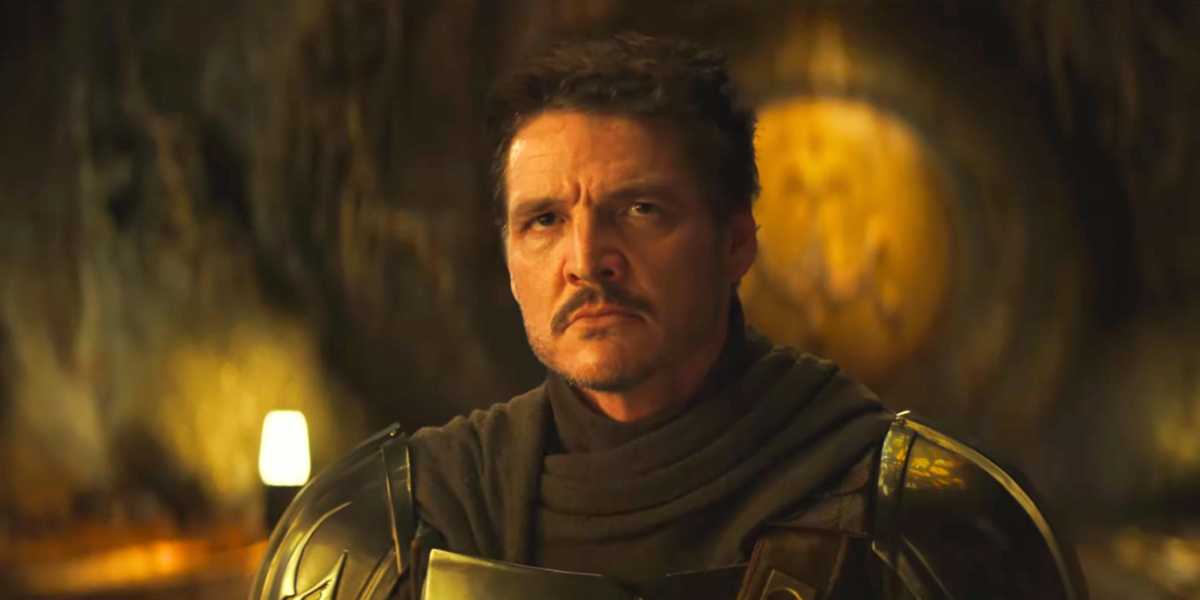
Despite the changes, the film will retain the elements that defined the series. Pedro Pascal returns, joined by Sigourney Weaver as New Republic Colonel Ward and Jeremy Allen White as Rotta the Hutt, while the story continues to center on Din Djarin and Grogu. The shift raises questions about the long-term direction of the Mando-Verse. While Ahsoka Season 2 is progressing, other storylines—including those involving Boba Fett—remain unclear.
Whether the interconnected narrative continues as originally planned or evolves into something new is still uncertain. The Mandalorian and Grogu represents more than a continuation of a popular series—it’s a test of how Star Wars will operate moving forward.
The film’s performance could influence whether the franchise leans further into theatrical releases or continues to balance them with streaming content. For now, one thing is clear: the story of The Mandalorian is continuing, but in a form that signals a broader transformation for Star Wars.
How do you feel about this major transition for The Mandalorian franchise? Let us know in the comments down below!