Nothing drives social media engagement quite like the illusion of pure spontaneity. For Star Wars fans and theme park enthusiasts, the ultimate viral moment is an unscripted celebrity sighting—a magical, real-world encounter where a Hollywood superstar interacts directly with everyday guests inside the parks.

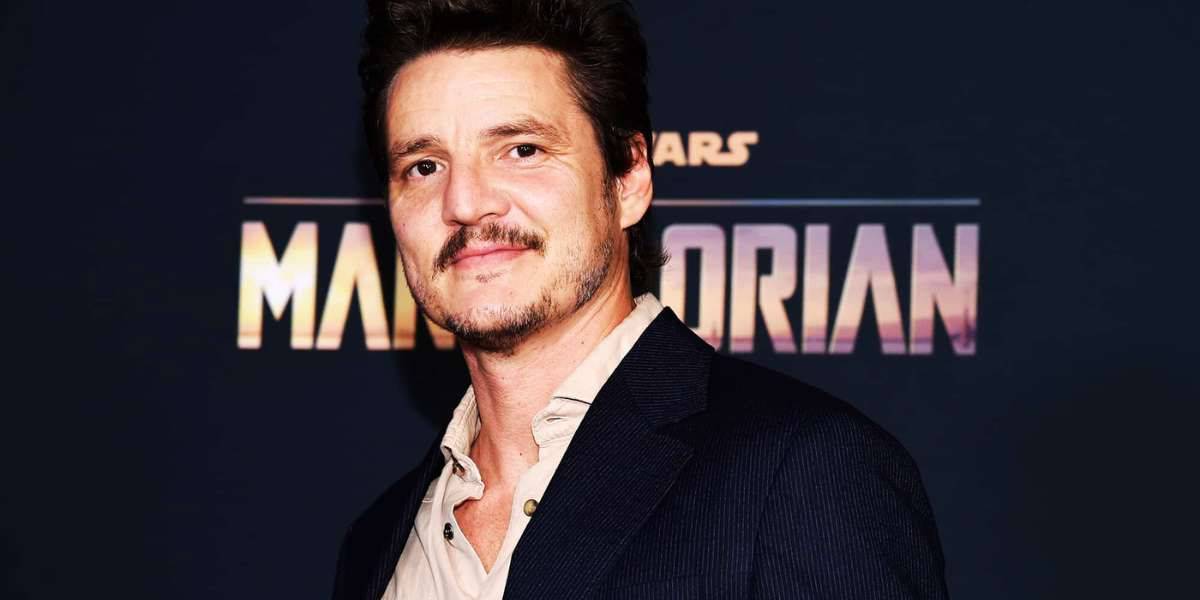
So, when official Star Wars social media channels dropped a heartwarming video of The Mandalorian star Pedro Pascal pulling off “the surprise of a lifetime” at Disneyland’s Star Wars: Galaxy’s Edge, it seemed like marketing gold. The clip depicted Pascal donning the iconic armor, stepping into the cockpit of the Millennium Falcon: Smugglers Run attraction, and removing his helmet to a room full of gasping, visibly emotional riders.
The initial wave of internet euphoria evaporated almost instantly. Within hours of the video going live, a massive wave of backlash erupted as fans unmasked the “spontaneous” event as a carefully curated, corporate PR stunt.
How the Fandom Blew the Whistle on the “Random” Guests
The controversy began when pop culture outlets and eagle-eyed fans began cross-referencing the faces of the “shocked tourists” in the Millennium Falcon cockpit. It didn't take long to realize that the odds of this specific group of people being randomly assigned to the same ride vehicle were statistically impossible.
As reported by The Hollywood Reporter, the supposedly random guests were quickly identified online not as standard families who waited in a multi-hour line, but as a hand-picked roster of:
- High-profile Star Wars bloggers
- Southern California Disney lifestyle influencers
- Prominent fan creators and social media personalities
The revelation sparked immediate frustration across the fandom. Audiences felt misled by the visual language of the video—which featured shaky handheld framing and casual clothing—designed to make the encounter look like a stroke of organic theme park luck. Instead, Disney had cleared out the attraction, bypassed the paying guests standing in the California sun, and staged a closed-set marketing event. +1
Disney’s Side of the Story: Genuine Surprise or Careful Phrasing?
As online criticism intensified, sources close to the matter told The Hollywood Reporter that the event was authentic. According to Disney and Lucasfilm insiders, while the audience wasn't composed of random tourists, the emotion in the room was completely real.
The group of Star Wars bloggers and digital creators had reportedly been invited to Disneyland under the guise of an exclusive media preview to check out the park’s brand-new Mandalorian content additions to the Smugglers Run ride. According to the studio, the influencers had absolutely no idea that Pedro Pascal himself would be stepping into the simulator, making his physical appearance a genuine surprise to those in the cockpit.
Furthermore, The Hollywood Reporter noted that Disney’s marketing team utilized careful corporate phrasing in their captions. The text stated that Pascal created the surprise of a lifetime for “Star Wars fans”—never explicitly claiming they were everyday, random park-goers. While legally accurate, critics argue the framing intentionally relied on a deceptive aesthetic to manufacture viral “authenticity.” +1
The High Stakes of the May 22 Box Office
The timing of this staged PR stunt is anything but accidental. The controversy comes at an incredibly high-stakes moment for Lucasfilm as The Mandalorian & Grogu feature film prepares to hit movie theaters on Friday, May 22, 2026.

As the first theatrical Star Wars movie to hit the big screen in seven years, Disney faces immense financial and reputational pressure. With traditional movie trailers and standard late-night talk-show press junkets losing efficacy among younger demographics, modern PR firms rely heavily on viral, “organic” TikTok and Instagram moments to drive ticket sales.
By staging a heartwarming real-world encounter between Pascal and his digital counterpart, Disney sought to generate millions of dollars in free, positive press. Instead, the stunt's transparency has left a sour taste in the mouths of the core community.
The Fatigue of Manufactured Wonder
The backlash against the Pedro Pascal sighting highlights a growing consumer fatigue with “manufactured magic.” The foundational appeal of a Disney theme park has historically rested on the concept of genuine wonder—the belief that the magic you experience is real and accessible to anyone who buys a ticket.

When the physical spaces of Galaxy’s Edge are treated as a closed studio backdrop for covert influencer marketing campaigns, it chips away at that illusion. While the video will undoubtedly continue to rack up millions of views among casual scrollers, the hardcore fandom has made its voice clear: real magic cannot be scripted by a corporate PR department.