

Disney has secured a $1 billion deal with a major artificial intelligence company, which could mean the end of the road for Mickey and his friends.
Fans Ask: Is Disney Still Magical After Its $1 Billion Deal With AI Giant OpenAI?
For nearly a century, Disney has been synonymous with magic — the kind that came from pencils, paint, and pure imagination. But now, the company that created timeless classics like Cinderella and Frozen is turning toward something far less human: algorithms.
This week, Disney officially announced a groundbreaking three-year partnership with OpenAI, marking its boldest embrace of artificial intelligence yet. But behind the billion-dollar buzz lies a question that’s rattling fans and creators alike: can something made by a machine still make us feel?

The Details Behind Disney’s AI Gamble
According to The New York Times, Disney and OpenAI are teaming up to bring the studio’s legendary characters — from Mickey to Moana — to life through Sora, OpenAI’s new short-form video creator. These AI-generated videos will appear exclusively on Disney+, promising “new ways to tell stories” unlike anything seen before.
As part of this monumental deal, Disney is investing $1 billion into OpenAI, buying a share of the company’s ownership in a move that makes it more than just a collaborator. Disney also receives warrants — special options that let it purchase even more shares later, often at a locked-in price if OpenAI’s valuation jumps.
In simple terms: Disney is now part-owner of OpenAI, and it has the right to expand that ownership if the partnership—and OpenAI’s success—take off.

A Mixed Reaction Among Fans
The announcement sparked an immediate reaction across Disney fan groups. While some celebrated the company for embracing innovation, others felt uneasy. On X (formerly Twitter), one longtime park fan said, “Disney magic should come from real artists, not robots learning how to mimic them.”
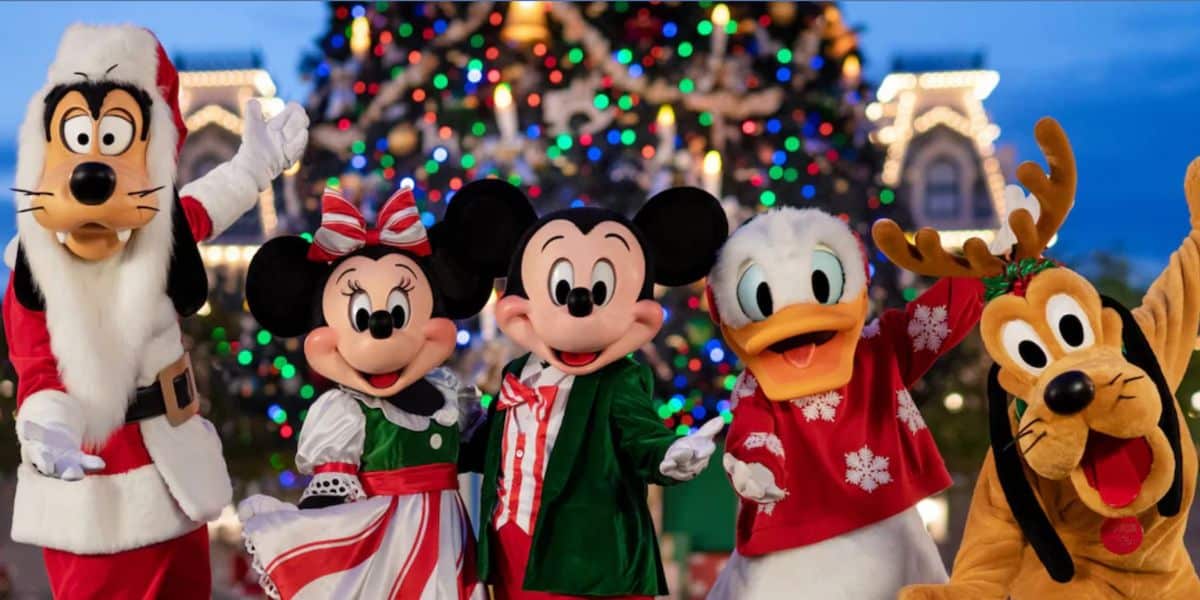
Much of the discomfort centers around the “Fab Five” — Mickey, Minnie, Donald, Goofy, and Pluto — who may soon appear in AI-created content. For many, those characters represent nostalgia and human creativity, elements that can’t easily be replicated by artificial means.
Others are worried this will spill into the theme parks. If AI becomes part of the storytelling DNA, could digitally generated shows or characters replace live performers and Imagineers in the parks?

The Business and the Backlash
For Disney executives, the move is strategic as much as creative. Facing rising streaming costs and subscriber churn, Disney+ needs constant, engaging content. AI-generated shorts provide a cost-effective tool for experimentation — endless content without enormous crews or production timelines.
But not everyone in Hollywood is applauding. Many artists and writers believe this partnership risks eroding the value of traditional storytelling. Adding to the tension is the fact that Disney is still suing Midjourney over allegedly copying its characters — even as it embraces another AI titan for official use.
The disconnect is striking: Disney is fighting to protect its intellectual property while investing in the very technology that could accelerate its digital replication.
What’s at Stake for Disney’s Legacy
Beyond legalities and market strategies lies the deeper concern of identity. Walt Disney built his empire on the idea that “it all started with a mouse.” A hand-drawn mouse, created by humans with heart. Handing that legacy to artificial intelligence raises uncomfortable questions about what happens when imagination gets automated.
CEO Bob Iger insists the collaboration will “extend Disney storytelling responsibly,” emphasizing the importance of human oversight. Yet that reassurance may not calm a fanbase that feels the emotional connection — the real magic — slipping away.

A Future Built on Algorithms
It may be years before audiences see the full impact of this collaboration, but one truth is already clear: Disney’s leap into artificial intelligence is not just about technology — it’s about redefining storytelling itself.
And in that transformation, the company that once promised dreams come true must confront a new reality: in the age of AI, dreams aren’t imagined anymore… they’re generated.


