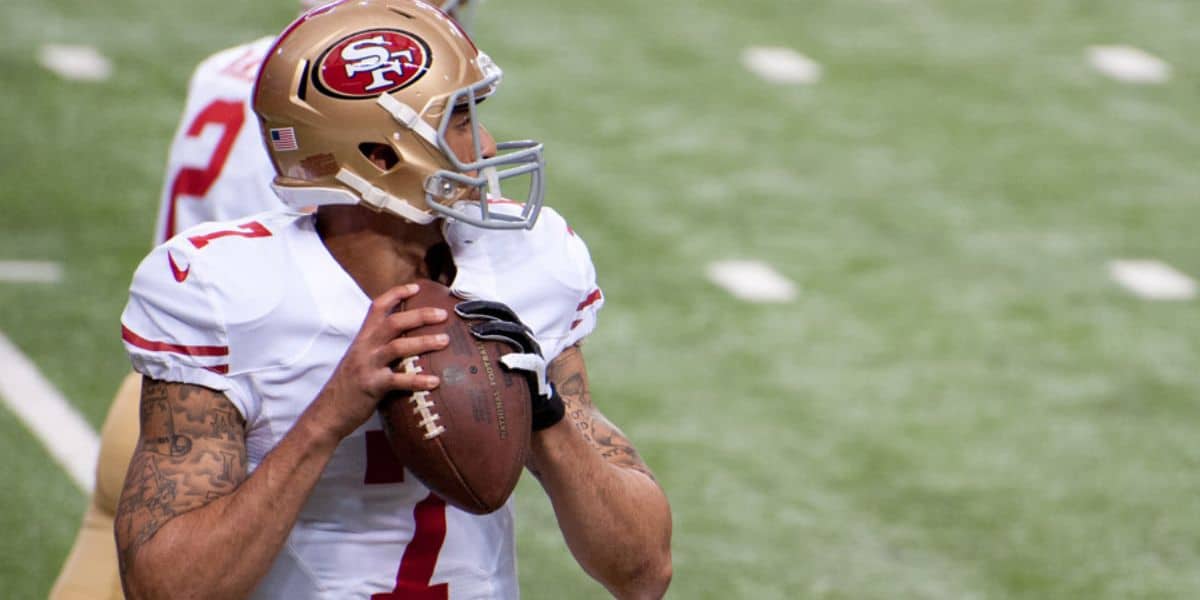
Cancellation of the Kaepernick Documentary
After two and a half years of development, Disney and ESPN have formally canceled the highly anticipated documentary about Colin Kaepernick, directed by Spike Lee. The decision surprised many in the media and entertainment industry, amidst reports of creative conflicts. Disney's official statement attributed the cancellation to “creative differences” among Kaepernick, Lee, and the network, yet the vagueness of this explanation has left many questions unanswered.
The concept of “creative differences” often acts as a catch-all phrase, masking underlying issues that prompted a project to be shelved. In the case of the Kaepernick documentary, the collaboration's termination suggests that deeper tensions might have existed between the creators and the network. Kaepernick and Lee have been notably vocal about their visions for the project; their mutual agreement to halt production hints at a divergence that may have been impossible to reconcile.
Political Climate's Influence
Colin Kaepernick gained notoriety in 2016 when he began kneeling during the National Anthem as a protest against police violence and racial inequality. His actions catalyzed a national debate that primarily fell along political lines, with figures like Donald Trump condemning Kaepernick’s protest as unpatriotic. Trump's vocal disapproval has reshaped Kaepernick's public image, complicating the narrative surrounding his activism within mainstream media.

The backlash against Kaepernick during the 2016 election, particularly originating from Trump, has cast a long shadow over media portrayals and projects centered on him. Trump's rhetoric not only alienated Kaepernick from many fans but also fostered a political environment fraught with tension. Given the ongoing relationship between politics and sports, it is plausible that the socio-political climate significantly impacted Disney's decision to cancel the documentary.
Disney now operates in a landscape where corporate and audience sensitivities dictate creative choices. The pressure to maintain an amicable reputation with the NFL and its viewing audience amidst a politically charged environment raises the question of whether fear of backlash influenced the decision. The ongoing scrutiny surrounding Kaepernick's story intertwines with the reputations of Disney, ESPN, and the NFL, further complicating the potential for candid storytelling.
Financial Pressures and Stakeholders
The cancellation is pivotal for Disney and ESPN, which are navigating a multi-billion-dollar deal with the NFL. This agreement is critical for the companies and places considerable pressure on them to uphold relations with the league and its supporters. The potential fallout from showcasing Kaepernick's journey could pose a significant risk, potentially alienating viewers and threatening revenue streams.
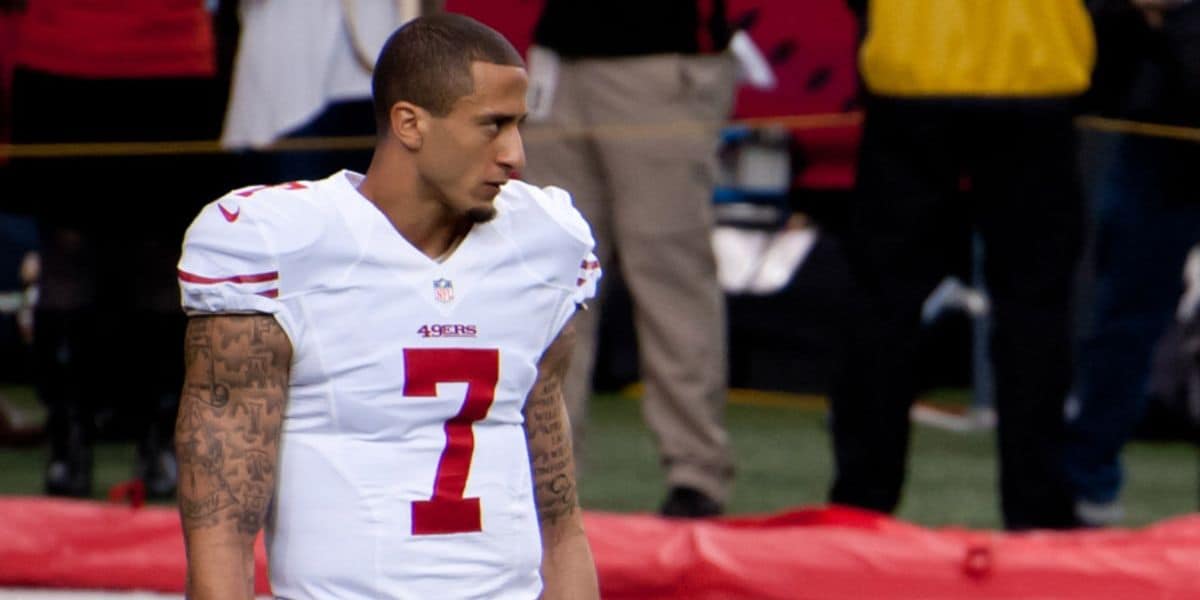
Ongoing legal investigations by federal authorities into Disney and ESPN’s NFL agreement add another layer of complexity. The scrutiny raises concerns about the legality of the current collaboration, making it even more imperative for Disney to avoid any controversy related to Kaepernick. The need to appeal to government regulators without compromising brand perception creates a challenging balancing act for media companies.
Faced with these financial threats, Disney/ESPN's decision to shelve the documentary may stem from a calculated choice to prioritize corporate interests over individual projects. By stepping back from Kaepernick’s story, they sidestep potential legal repercussions and preserve their business relationship with the NFL.
Future Opportunities for Kaepernick's Story
Despite the cancellation of the documentary at Disney/ESPN, the narrative surrounding Kaepernick may find a new home. Alternative media platforms may prove more receptive to exploring controversial and politically charged stories, giving Kaepernick a chance to share his experiences without the weight of corporate interests.
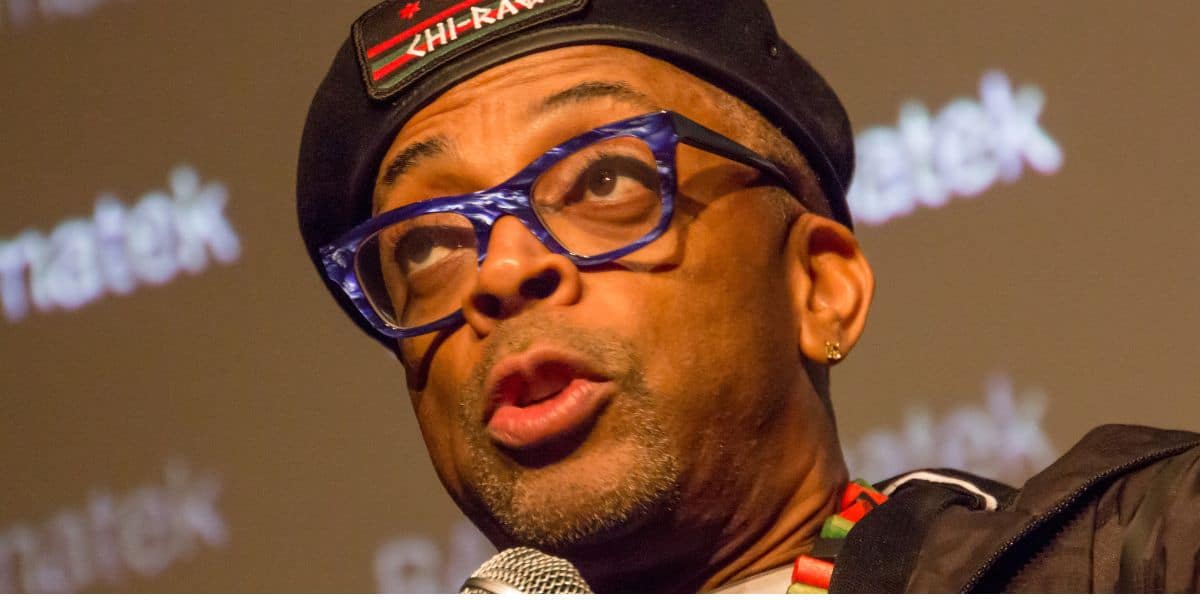
Inclusive platforms might prioritize Kaepernick's message over commercial considerations as societal demand grows for authentic narratives that reflect the realities of various cultures and struggles. His ongoing relevance in conversations about social justice and political activism ensures that audience interest in his story will not wane.
Kaepernick’s experiences resonate deeply within contemporary discourse, making it likely that another creator or network will step forward to tell his story. The increased enthusiasm for diverse narratives in media provides a fertile ground for Kaepernick’s powerful voice and activism. While Disney/ESPN’s cancellation of the documentary raises significant questions about the influence of the political climate and corporate dynamics, it also paves the way for broader discussions about Kaepernick's powerful and essential narrative in a changing cultural landscape.