Disney's Innovative Partnership with Haddy
The Walt Disney Company is venturing into the future by collaborating with Haddy, a prominent 3-D printing firm. This partnership aims to enhance the efficiency and quality of ride props within Disney's theme parks. By integrating 3D printing technology, Disney expects to streamline production processes and significantly reduce costs. This collaboration is further supported by Haddy’s selection as one of four startups to receive funding from the Disney Accelerator Program, thus reinforcing Disney’s commitment to innovation.

This initiative is part of a broader strategy to solidify Disney's position as a leader in technological advancements within the entertainment industry. Haddy's CEO, Jay Rogers, noted that the implementation of 3D printing could revolutionize traditional prop production methods, allowing for improved turnaround times while maintaining the quality standards that Disney's attractions are known for.
Advantages of Using 3-D Printing Technology
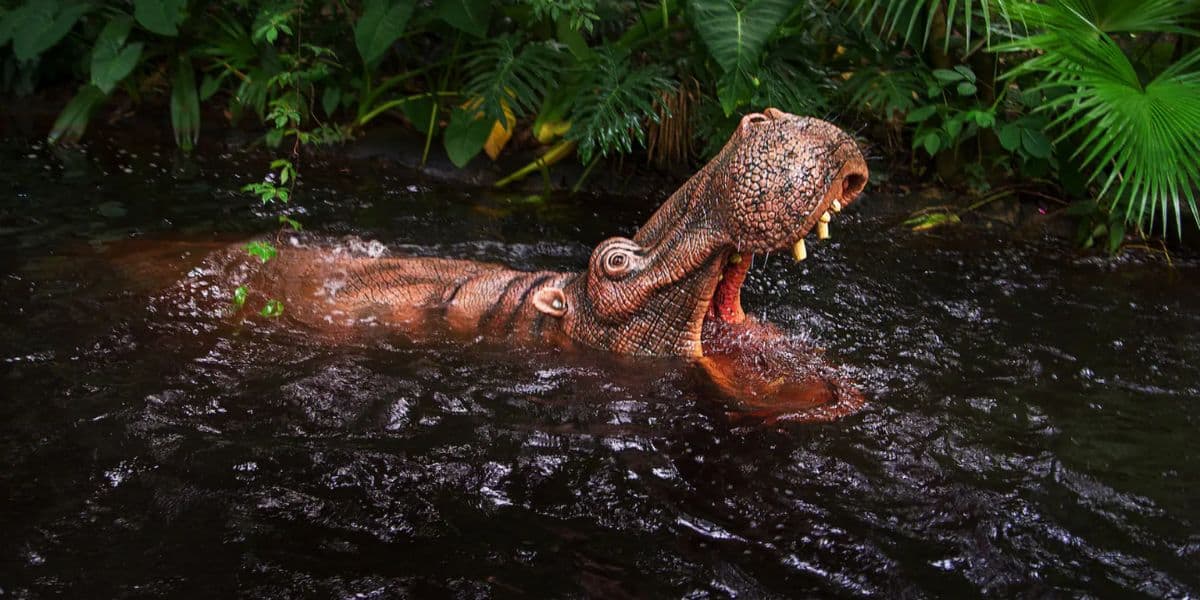
Utilizing 3-D printing technology offers several notable advantages for the production of Disney ride props. One key benefit is the significantly reduced production time. For example, while creating a traditional boat prop might require an extensive workforce and several months, 3D printing can accomplish the same task in around 70 robot hours. This dramatic difference allows Disney to adapt attractions swiftly and effectively, ensuring frequent updates to maintain guest excitement.

Additionally, the cost disparities favor 3-D printing, providing Disney with substantial savings compared to conventional manufacturing methods. The savings not only benefit the bottom line but also enable reinvestment in other creative projects. Furthermore, the incorporation of recyclable materials in 3-D printing aligns with Disney's sustainability goals; obsolete props can be melted down and repurposed, thereby reducing waste and promoting environmentally friendly practices.
Addressing Guest Concerns about New Methods
While the transition to 3-D printed props signifies progress, Disney must navigate guest expectations carefully. Fans of the parks are often attached to the traditional elements that define the Disney experience. Consequently, the introduction of 3-D printed alternatives could provoke resistance among those who cherish the craftsmanship of existing props.
To address these concerns, Disney is likely to adopt strategies that foster dialogue with its fan base. Emphasizing the quality and detail achievable through 3-D printing and showcasing the craftsmanship behind new designs could alleviate apprehensions. Moreover, the ability to modify and update attractions effortlessly through 3-D printing may turn initial skepticism into appreciation, demonstrating the potential for enhancing guest experiences without compromising the nostalgia that Disney is known for.
Future Potential of 3-D Printing in Disney Parks
The horizon looks bright for Disney as it investigates further applications of 3-D printing beyond ride props. There is ample opportunity to utilize this technology in the production of ride vehicles and larger themed structures. The flexibility inherent in 3-D printing allows for innovative designs that were previously restricted by traditional manufacturing limitations.
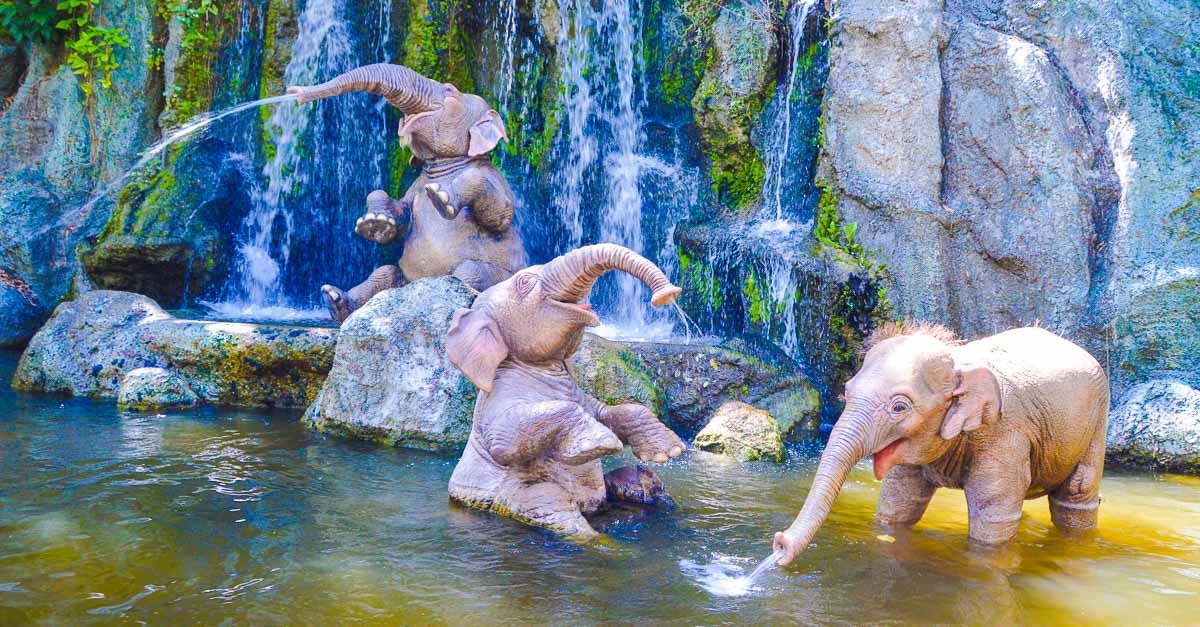
Additionally, Disney has already applied 3-D printing in various cosmetic enhancements across its parks and studio environments, indicating a broader acceptance of this technology. Future expansions could see 3-D printed elements enhancing attractions, leading to continuous creative evolution throughout Disney environments.
Ultimately, embracing 3-D printing technology positions Disney to redefine how it crafts and presents its iconic experiences. While some fans may initially react with hesitance towards changes in ride props, the potential for high-quality and innovative attractions at reduced costs ensures a promising future for Disney's technological journey. Through its partnership with Haddy, Disney is set to revolutionize the way it approaches the creation of ride props, shaping the future of the entertainment industry.