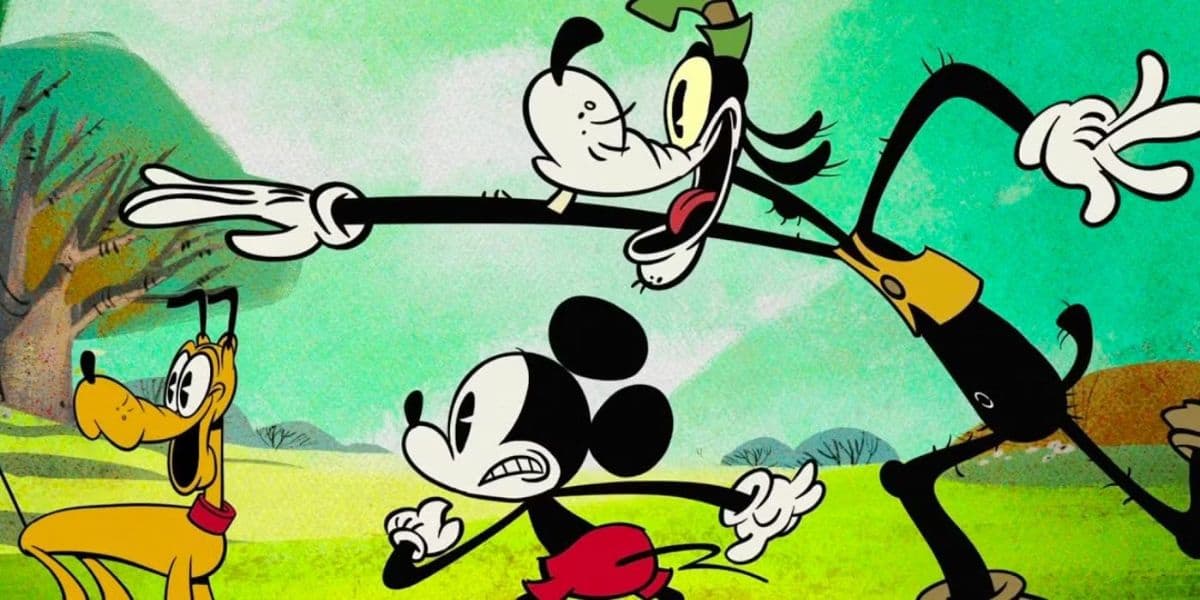
Another historic Disney character will soon become available for anyone to use. Come January, the House of Mouse will watch as copyright protections expire for one of its most recognizable animated icons, continuing a trend that began two years ago when Steamboat Willie (1928) slipped from Disney's exclusive control.
Copyright Law Catches Up With Disney

The Walt Disney Company spent decades fighting to keep its characters locked under copyright protection for as long as legally possible. In 1998, the entertainment giant successfully lobbied Congress to extend corporate copyright terms from 75 years to 95 years through legislation officially known as the Sonny Bono Copyright Term Extension Act.
Opponents gave it a less flattering nickname: the “Mickey Mouse Protection Act,” claiming Disney's lobbying efforts prevented important cultural works from entering the public sphere and limited creative innovation.
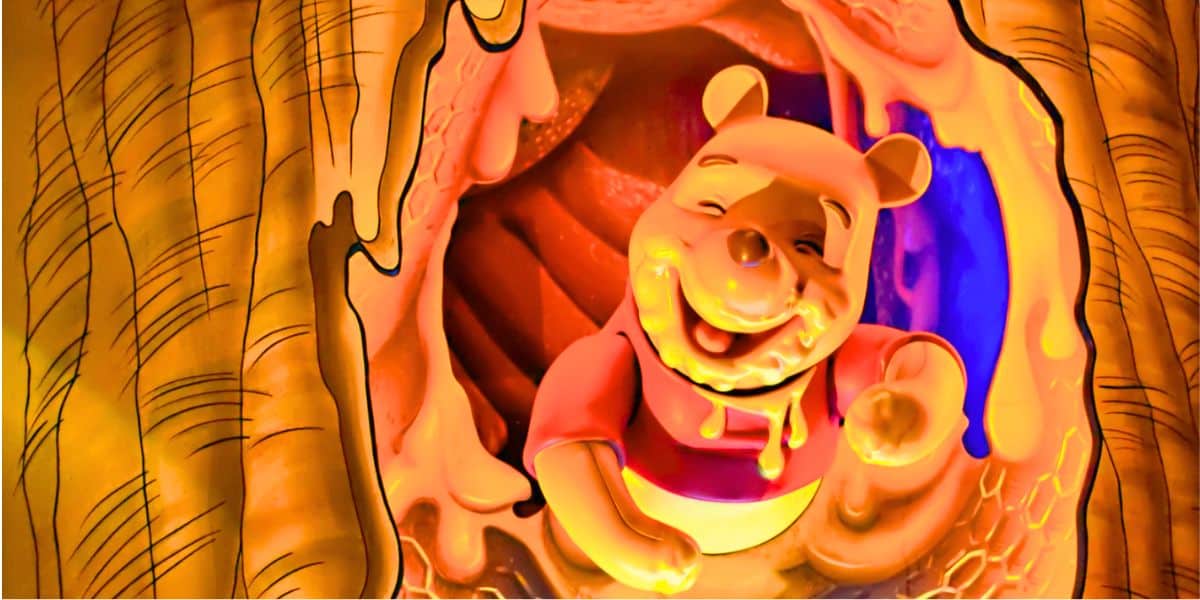
Those extended protections eventually ran out. Disney's worst fears materialized in January 2024 when the original Steamboat Willie version of Mickey Mouse entered the public domain, along with early versions of Minnie Mouse, Goofy, and several other classic characters. The company had already lost Winnie the Pooh to public domain status years earlier, marking one of the first major blows to Disney's intellectual property empire.
Public domain status triggered an immediate flood of unauthorized content. Within weeks, creators released horror games, disturbing animated shorts, and X-rated products featuring the vintage black-and-white Mickey design. Disney responded with a forceful statement defending its newer character iterations:
“More modern versions of Mickey will remain unaffected by the expiration of the Steamboat Willie copyright, and Mickey will continue to play a leading role as a global ambassador for the Walt Disney Company in our storytelling, theme park attractions, and merchandise. We will, of course, continue to protect our rights in the more modern versions of Mickey Mouse and other works that remain subject to copyright, and we will work to safeguard against consumer confusion caused by unauthorized uses of Mickey and our other iconic characters.”
The pattern continued in January 2025, when additional early Mickey Mouse, Minnie Mouse, and supporting character designs became publicly available. This time, The Walt Disney Company chose not to release any official statement acknowledging the losses. With January 2026 just weeks away, Disney braces for yet another round of copyright expirations.
Which Character Loses Protection Next?

Properties originating in 1930 will generally become public domain in January 2026. For Disney, the most notable loss involves Pluto's very first screen appearance, though important nuances that limit how creators can actually use the character.
The Chain Gang (1930) introduced the character design that would eventually become known as Pluto, though in that short film, he appeared as a bloodhound tracking down Mickey Mouse. Later in 1930, the same design appeared in The Picnic (1930) as a dog belonging to Minnie Mouse, which was named “Rover.”
The visual design will become free to use in January, but the character wasn't actually called “Pluto” until The Moose Hunt premiered in 1931. That means Disney retains exclusive control over the “Pluto” name and the dog's relationship as Mickey Mouse's companion for one additional year, until January 2027, when The Moose Hunt (1931) enters the public domain.
What is your favorite early Walt Disney Animation Studios film? Let Disney Fanatic know in the comments!