Current Pricing for Lightning Lane Options
Disney World has established the Lightning Lane system as an integral part of its visitor experience. Under this framework, a dynamic pricing model adjusts the cost of Lightning Lane passes based on anticipated crowd sizes, effectively making it a necessity for guests aiming to optimize their time.

Prices often escalate during peak seasons, such as holidays or significant events, as seen recently in October when Disney raised ticket costs leading into Halloween. Despite these price increases, visitors continue to invest in Lightning Lane access, viewing it as essential for minimizing wait times and maximizing their enjoyment at Disney World. This growing dependence underscores the vital role that Lightning Lane plays in shaping the overall visitor experience.
Challenges with Individual Lightning Lane Pricing
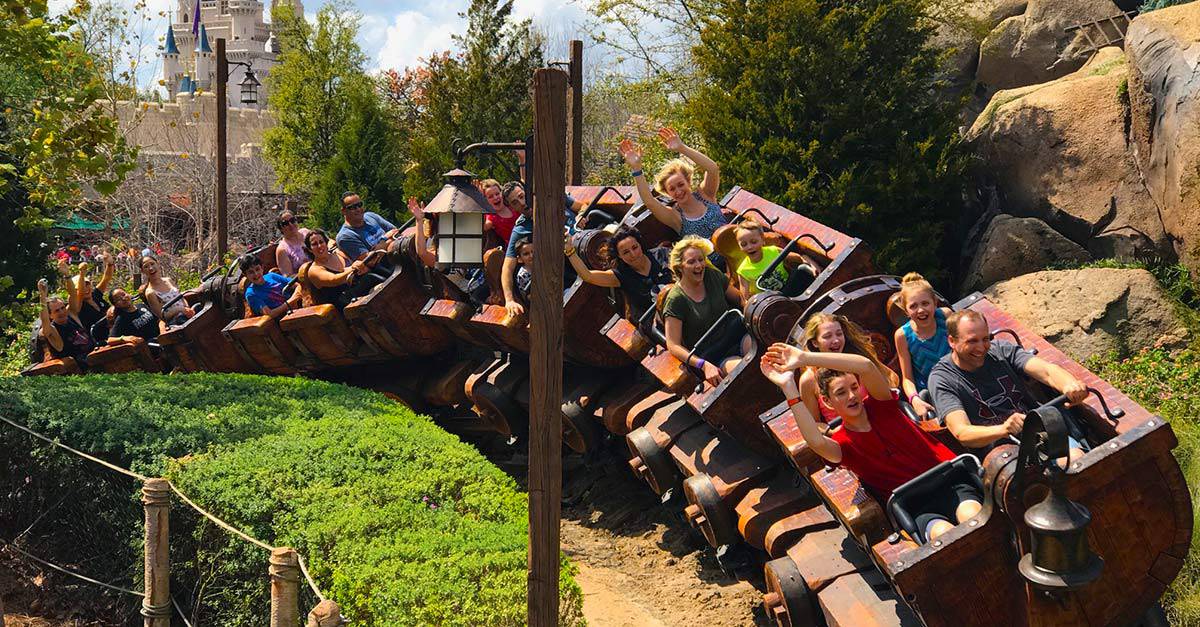
A considerable concern regarding the Lightning Lane structure comes from the Individual Lightning Lane pricing for attractions like the Seven Dwarfs Mine Train. Set between $12 and $16, the fee for this attraction becomes controversial given that the ride experience lasts only about three minutes. Many guests express dissatisfaction, questioning the fairness of this pricing compared to other leading attractions within the park.

For instance, rides such as Tron: Lightcycle/Run or Guardians of the Galaxy: Cosmic Rewind present a compelling case for their Individual Lightning Lane costs due to their extended durations and significant appeal.
In contrast, the Seven Dwarfs Mine Train lacks the same attraction draw, making guests feel that the associated costs seem unjustified. This discrepancy fosters a sense of frustration among park attendees, particularly since some attractions, such as Test Track at EPCOT, offer more substantial value and enjoyment for similar pricing. Visitors perceiving the Individual Lightning Lane for the Mine Train as an unnecessary financial burden could detract from their overall experience at Disney World.
Suggestions for Improvement
A potential solution to address these pricing issues lies in integrating the Seven Dwarfs Mine Train into the standard Lightning Lane offerings. By positioning it alongside other popular attractions, Disney could enhance accessibility while decreasing costs for guests. This integration may facilitate smoother guest flow and reduce wait times, creating a more streamlined experience within the park.
The potential benefits for visitors are clear: less financial strain when accessing popular attractions, thereby fostering a sense of value in their Disney World experience. This adjustment could revitalize guest interactions at the park while ensuring that lines move more efficiently.
However, Disney's focus on profitability complicates this scenario; they may hesitate to alter the pricing structure behind Lightning Lane due to concerns over potential revenue losses. Nonetheless, improving guest satisfaction could prove to be a worthwhile strategic trade-off.
Implications for Disney's Guest Experience
Finding a balance between guest satisfaction and revenue generation is challenging for Disney. The theme park landscape has begun shifting towards enhanced guest services while striving to maintain profitability amidst fierce competition. If guests feel that attractions are overpriced, they risk alienating their loyal customer base.

As the competition among theme parks intensifies, re-evaluating the Lightning Lane pricing model, particularly for attractions such as the Seven Dwarfs Mine Train, may be essential for Disney World’s sustained success. Today’s visitors increasingly seek value for their money, and ensuring quality experiences can promote loyalty and encourage repeat visits to the park. Addressing concerns surrounding Lightning Lane pricing by creating a more balanced and guest-centric approach could reinforce Disney World’s reputation as a premier destination where the essence of magic and enjoyment endures.