In the theme park industry, the historic playbook for keeping attendance high was simple: bring out the wrecking ball. To convince families to book their next expensive vacation, theme park giants traditionally relied on a brute-force expansion strategy—bulldozing old areas and spending hundreds of millions of dollars to build massive attractions from the ground up.
But building from scratch has become a financial and logistical nightmare. As highlighted by theme park expert Megan DuBois in Forbes, The Walt Disney Company has executed a brilliant, quiet shift in its expansion strategy. Instead of pouring all its capital into massive, multi-year ground-up builds, Disney is leaning into the “Refurbishment Revolution.”
By taking legendary, aging ride footprints and giving them comprehensive structural, technological, and narrative overhauls, Imagineering is pulling off a masterclass in modern park management. This strategy allows the company to create the illusion of brand-new attractions on a controlled budget while completely avoiding the toxic fan backlash that usually accompanies destroying a classic park landmark.
The Economics of Recycling Infrastructure
To understand why this strategy works so well in Disney's favor, look straight at the bottom line. Ground-up E-ticket attractions require massive excavation, new show buildings, and years of disruptive construction walls that tank a park's daily ride capacity.
The budget-friendly alternative centers on recycling heavy infrastructure. When Disney breathes new life into an existing ride, the most expensive components are already fully paid for:
- The Foundation: Concrete footings and structural steel frames remain intact.
- The Utilities: Massive high-voltage electrical grids and plumbing networks are already integrated.
- The Queue Footprint: Pre-existing interior and exterior queue spaces save millions in structural engineering.
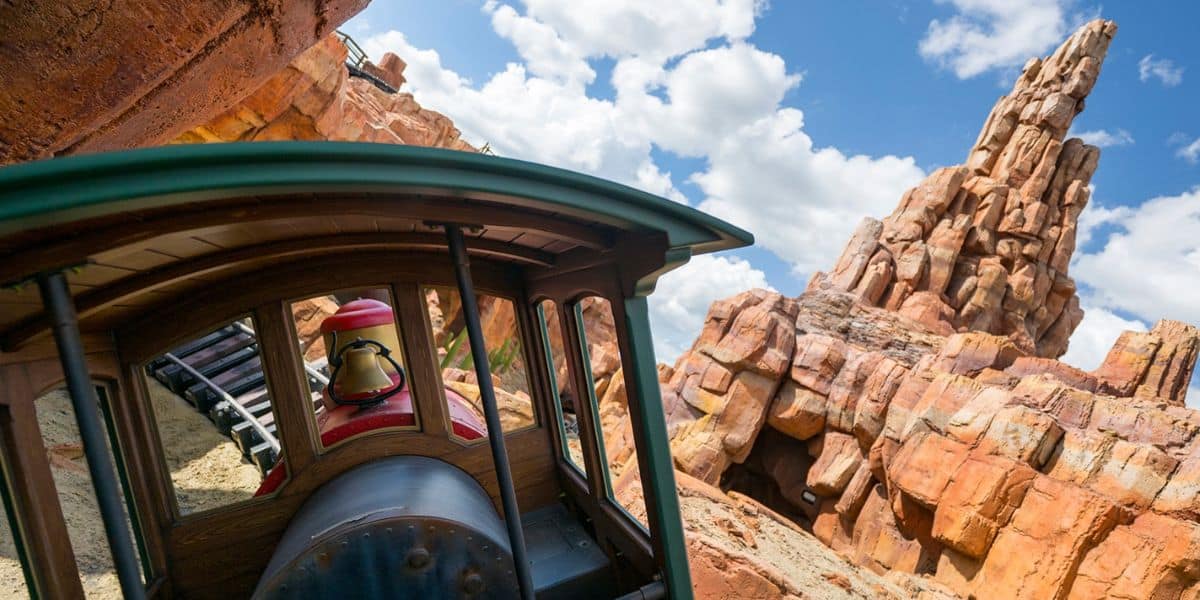
A perfect example of this mechanical preservation is the massive structural refresh given to Big Thunder Mountain Railroad at Magic Kingdom. Rather than demolishing the mountain, Disney completely replaced the aging coaster track and modernized the underlying mechanics. The ride layout remained identical, but the physical experience was restored to a flawless, modern standard for a mere fraction of the cost of a brand-new coaster.
Crafting the “New-to-You” Marketing Illusion
While hardcore theme park purists dissect every minor refurbishment permit, the vast majority of Disney's attendance consists of casual vacationers. To a family planning a trip, an older ride equipped with a fresh storyline, modern special effects, or advanced animatronics is entirely indistinguishable from a brand-new ride.
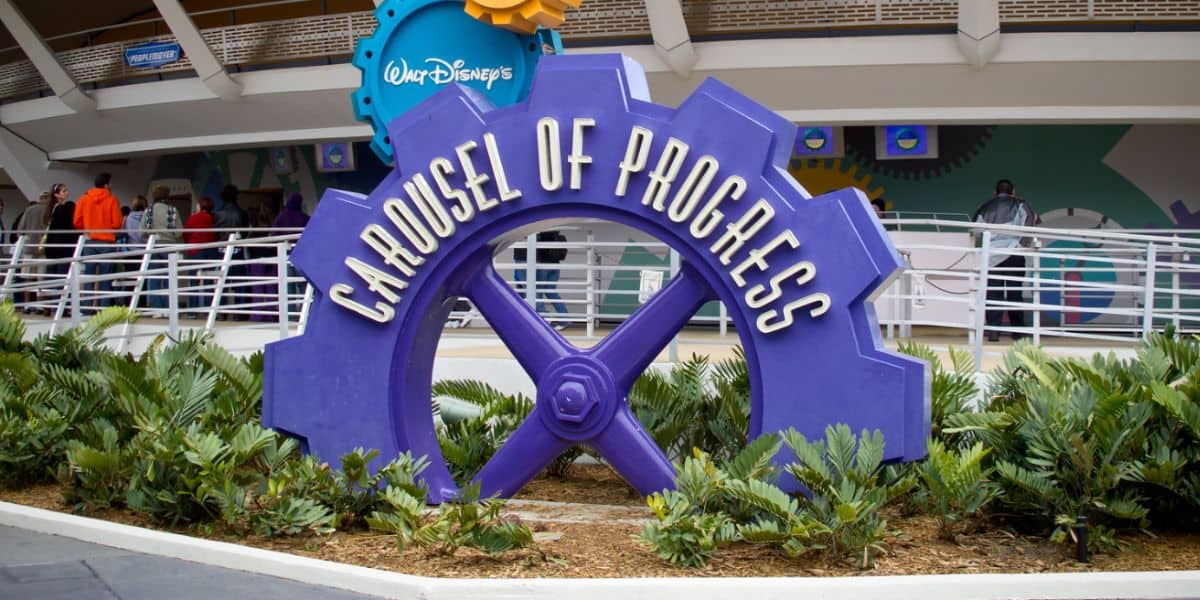
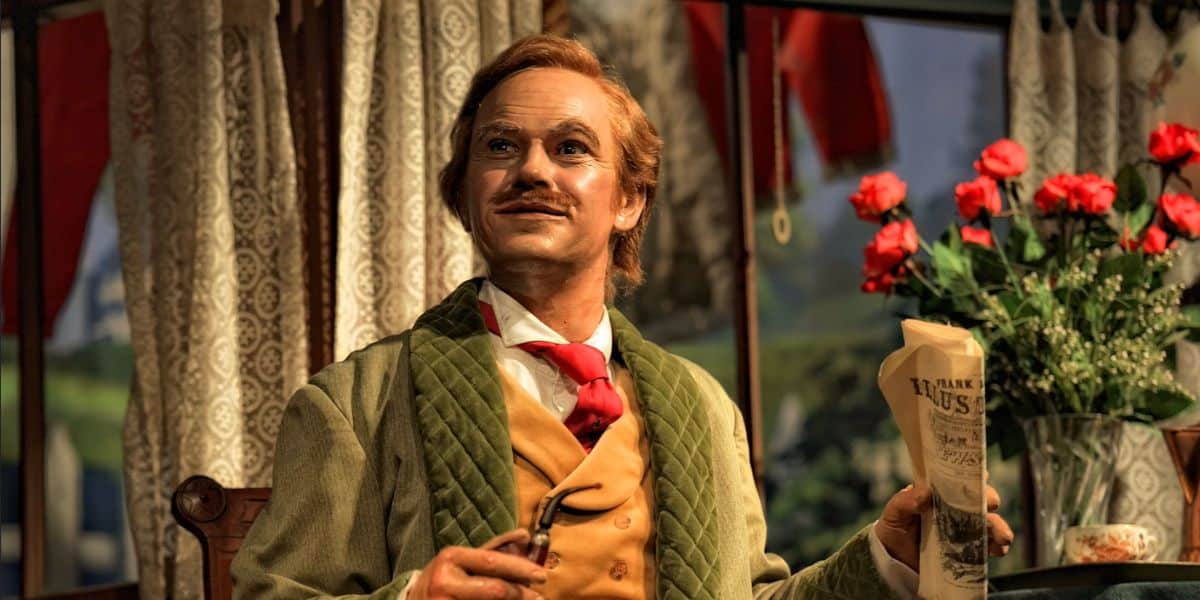
Consider the massive reimagining coming to Walt Disney’s Carousel of Progress. Tearing down the historic rotating theater would be an operational disaster for Tomorrowland. Instead, Imagineering is executing a total temporal rewrite—replacing the stale turn-of-the-century acts with a 1960s-to-future timeline, highlighted by a history-making Walt Disney Audio-Animatronic host.
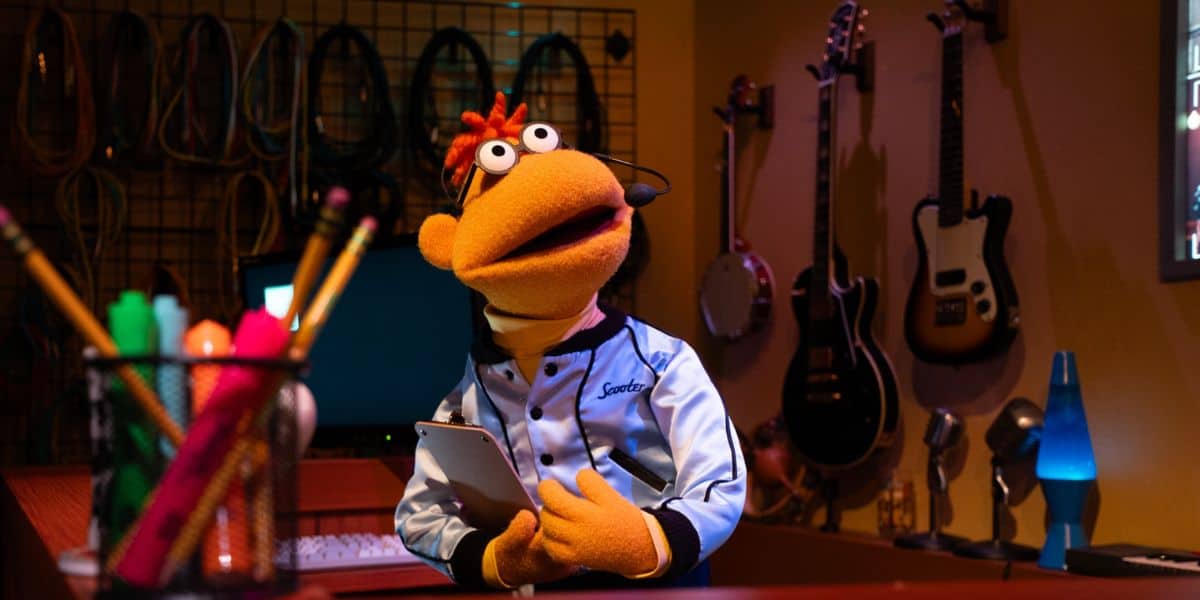
Similarly, the transformation of the coaster footprint at Disney's Hollywood Studios into Rock ‘n' Roller Coaster Starring The Muppets serves as a massive new crowd-puller. The launch mechanism and track steel are completely unchanged, but the injection of Dr. Teeth and The Electric Mayhem instantly turns a 25-year-old ride into a fresh marketing hook. Disney can plaster these overhauls across social media and television campaigns as “all-new experiences,” driving vacation bookings without the heavy capital expenditure.
Defusing the Minefield of Fan Backlash
Disney traditionalists are fiercely protective of the parks' history. When Disney announces that a classic ride is hitting the chopping block, social media routinely erupts into a public relations nightmare.
Disney's updated refresh strategy beautifully neutralizes this public relations minefield. Instead of being framed as the destroyer of history, Disney presents these overhauls as acts of loving preservation.
When the Carousel of Progress update was announced, fans were initially deeply anxious. However, by explicitly confirming that the core animatronic family, the iconic practical special effects, and the legendary Sherman Brothers anthem “There's a Great Big Beautiful Tomorrow” would remain entirely untouched, Disney successfully pacified the traditionalists. The fandom's fear of demolition quickly morphed into widespread praise for the company's willingness to invest in an aging classic.
A Profitable Tomorrow
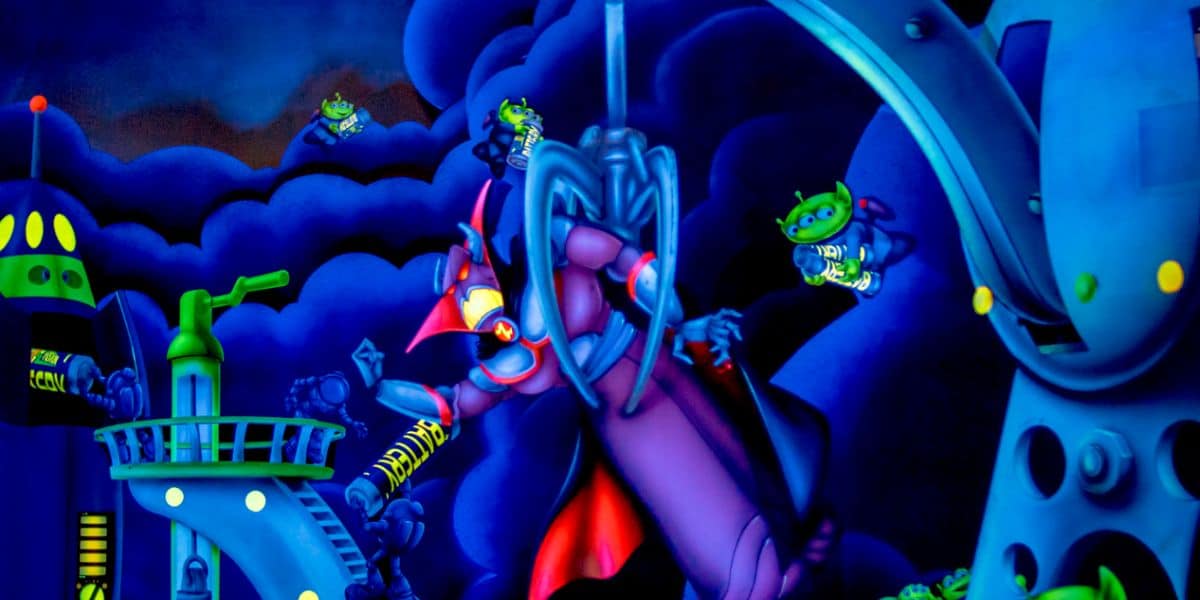
Ultimately, looking inward at the legendary assets they already own is a masterclass in corporate efficiency for Disney. By wiping the maintenance slate clean with systematic technology updates, Disney removes the operational liability of breakdown-prone, decades-old ride systems. The Refurbishment Revolution proves that in the modern theme park landscape, the path to a profitable tomorrow doesn't always require a wrecking ball—just a little bit of imagination.