Disney just dropped what might be their most controversial character creation in years, and the internet is absolutely losing its mind over whether Captain Durag represents groundbreaking representation or tone-deaf stereotyping that completely misses the mark.
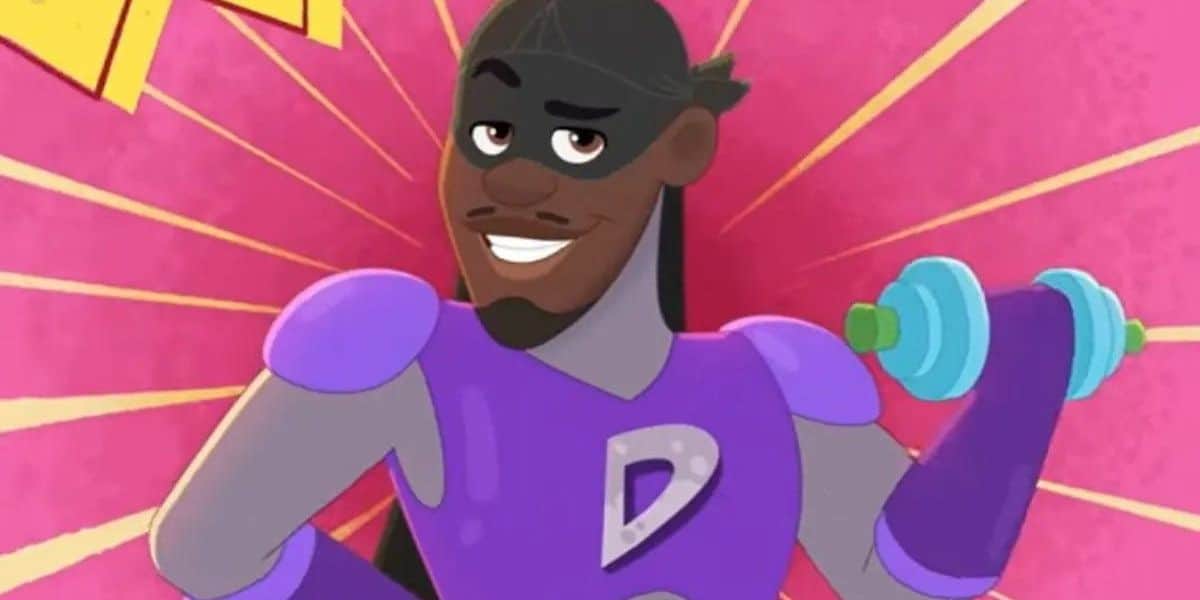
The character debuted January 15 on Disney Junior's Hey AJ!, featuring a Black superhero whose durag doubles as both his cape and face mask while he fights something called “grime” in a place called Slime City. The durag, which is a hair covering primarily associated with Black communities, essentially is the entire character concept per The New York Post.
And people have THOUGHTS. Lots of them. None of them particularly quiet.
Social media erupted the moment Captain Durag hit screens, with viewers expressing everything from fury to bafflement about what they're calling an overtly stereotypical depiction that reduces Black culture to a single piece of fabric worn as a costume. The backlash came swift and brutal, with critics questioning how this character made it through what should be multiple layers of corporate approval at a company that built its reputation on wholesome family entertainment.
But here's where it gets complicated. The character wasn't created by some out-of-touch executive in a boardroom trying to check diversity boxes. Captain Durag came from Camille Corbett, a 28-year-old Jamaican-American artist, writer, and comedian who created the character specifically to give Black culture a superhero reflecting their lived experience. She worked with cultural consultants throughout production. She had specific intentions about positive representation.
And yet the response has been overwhelmingly negative from the exact communities the character supposedly represents.
This isn't Disney's first rodeo with diversity controversies, and honestly, it probably won't be their last given how absolutely impossible it's become to create any character involving race, gender, or identity without someone getting furious about it. But Captain Durag lands in a particularly messy context where Disney has spent years getting hammered from multiple directions about casting choices, representation approaches, and whether their attempts at inclusion actually serve the communities they're supposedly uplifting or just create superficial gestures that check boxes without delivering meaningful content.
The Little Mermaid situation with Halle Bailey taught us that casting Black actresses in traditionally white roles generates racist backlash alongside celebration. Rachel Zegler's Snow White casting showed us that Hispanic representation in historically pale-skinned characters creates its own controversies. And now Captain Durag is teaching us that even when Black creators make Black characters with consultant input, the result can still generate accusations of offensive stereotyping.
Disney is stuck in representation quicksand where literally any move they make sinks them deeper into controversy regardless of intentions, execution, or who's doing the creating. And that's the real story here beyond just one character wearing a durag.
The Character That Broke the Internet
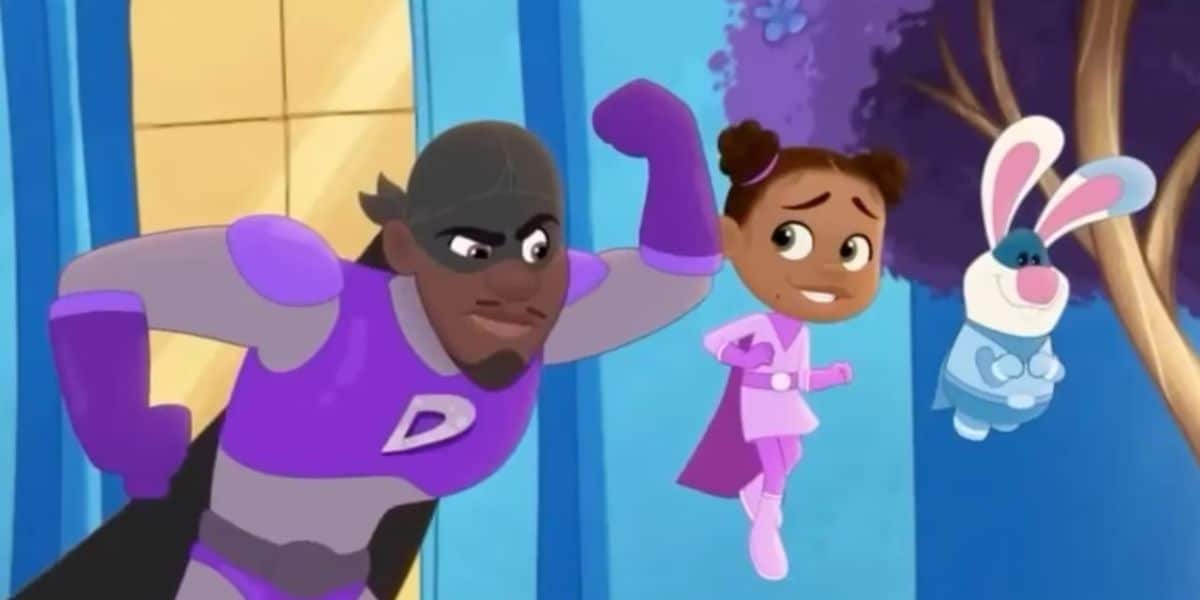
Captain Durag showed up on Hey AJ! fighting grime in Slime City with his durag serving as his cape and mask. His eyes peek through the fabric in superhero fashion, and the whole concept centers on this one piece of cultural clothing defining his identity.
Disney Junior targets preschool audiences, meaning this character was designed to provide representation for very young Black children during formative years when they're absorbing messages about identity and who gets to be heroes in the stories they consume.
The reaction was immediate and overwhelmingly negative.
“They made a ‘Captain Durag' in 2026 what the f**k Disney,” one man wrote on X, perfectly capturing the disbelief that this character made it to screen in the year 2026 when Disney should theoretically know better after years of diversity controversies.
“The concept of Captain Durag is wildly tone deaf,” another viewer agreed, suggesting the character fundamentally misunderstands what positive representation actually looks like.
“I thought captain durag was a made up internet hoax but nope lmao disney really came up with that for black history month .. my sides hurt. I've been laughing so hard,” someone wrote, noting the January debut timing near Black History Month made everything worse.
“Everyone already said everything to be said but Captain Durag is an abomination,” another critic wrote, then added a crucial detail: the character's creator is a Black woman. “I hope black parents use their voice to get this sh*t removed.”
That last part matters tremendously because it highlights how this isn't just white audiences getting offended on behalf of Black communities. Black viewers themselves are calling this character problematic, which complicates the narrative about who gets to decide what constitutes appropriate representation.
The Creator Fights Back
Camille Corbett wasn't about to let criticism of her work go unanswered. The Jamaican-American artist and comedian who created Captain Durag told The Post simply: “Watch the show. As a scholar, I'd never speak on anything I've never experienced.”
Her defense essentially argues that critics judging the character without watching the full show context don't have standing to evaluate whether the representation works or fails. She's saying you need to see how Captain Durag functions within the actual storytelling before deciding the concept is offensive.
Corbett expanded her defense in a February 16 social media post that revealed genuine surprise about the backlash.
“I created the character Durag Man, now known as Captain Durag on the Disney Show, Hey AJ and I'm just finding out people are finding it problematic? I just wanted our culture to have a superhero of its own!” she wrote on X.
The statement reveals disconnect between creator intention and audience reception. Corbett genuinely believed she was providing positive representation, creating a superhero reflecting Black culture in ways mainstream superheroes typically don't. The fact that audiences received it as offensive stereotyping wasn't her goal or expectation.
Martellus Bennett, the former NFL star who created Hey AJ!, jumped into the controversy with a detailed Instagram statement defending Captain Durag as authentic cultural reflection.
“If that offends you, maybe the problem isn't the durag. Maybe the problem is that you've never seen black imagination treated as sacred, heroic and worthy of a cape,” Bennett wrote, essentially arguing that discomfort with the character reveals more about viewers than about the character itself.
Disney worked with The League, a cultural consultant group, throughout production according to USA Today reporting. This means the character wasn't created in a vacuum without input from communities being represented. Consultants specifically brought in to ensure appropriate representation signed off on Captain Durag.
And yet the backlash persists, suggesting that even with Black creators, cultural consultants, and genuine intentions, representation efforts can still fundamentally miss their target audiences.
Disney's Diversity Track Record Is Messy
Captain Durag joins an increasingly long list of Disney diversity initiatives that generate more controversy than celebration, suggesting the company has a serious problem figuring out how to do representation in ways that actually land with audiences.
The 2023 Little Mermaid remake casting Halle Bailey as Ariel became a full-blown cultural war. Racist backlash flooded social media with critics furious about a Black actress portraying a character traditionally depicted with pale skin and red hair in the 1989 animated classic. Supporters celebrated the casting as expanding representation for Black children. The controversy dominated discourse around the film more than the actual quality of the movie itself.
Box office performance got analyzed through representation lenses, with everyone trying to determine whether audience resistance to diverse casting affected commercial success or whether the film succeeded despite backlash.
Rachel Zegler's Snow White casting sparked similar explosions. Critics questioned whether a Hispanic actress should portray a character whose literal name references pale skin. Zegler's public comments about the 1937 original being dated in its female character portrayal poured gasoline on already burning fires, with critics accusing her of disrespecting Disney legacy while defenders argued honest assessment of problematic elements doesn't equal attacking beloved classics.
The Snow White controversy extended beyond casting into the decision to replace the seven dwarfs with CGI creatures rather than casting actors with dwarfism. Disney tried avoiding debates about whether dwarf roles perpetuate stereotypes or provide employment opportunities, but instead generated backlash from disability advocates arguing the CGI choice eliminated representation entirely.
Earlier controversies show the pattern extends across Disney properties. A 2021 Muppet Babies episode featured Gonzo wanting to wear a dress to a party, generating criticism from audiences viewing it as inappropriate gender identity content for preschoolers. Marvel's Ant-Man and the Wasp: Quantumania got criticized for showing police firing tear gas at peaceful protesters, with viewers interpreting it as anti-police messaging in family entertainment.
The consistent thread through all these controversies is that Disney cannot find the sweet spot where representation efforts satisfy audiences rather than generating backlash from multiple directions simultaneously.
Conservative Critics Connect Diversity to Financial Performance
America First Legal accused Disney in March 2024 of prioritizing “woke” agendas over shareholder value, connecting diversity initiatives to measurable business consequences.
The conservative non-profit claimed Disney's market capitalization fell nearly 40 percent from $341 billion in February 2021 to $207 billion by early 2024, attributing the decline to programming featuring “anti-police and anti-white content” that allegedly alienates traditional family audiences.
The argument positions diversity efforts as economically destructive, suggesting Disney sacrifices profitability for political correctness that drives away the customer base that built the company's success over decades.
Disney defenders counter that streaming losses, pandemic impacts, and broader entertainment industry challenges contributed to market cap declines rather than diversity initiatives alone. The financial performance debate illustrates how representation controversies extend beyond creative discussions into shareholder value arguments where diversity gets blamed for business struggles that may have entirely different causes.
Theme Park Implications and Brand Perception
These programming controversies don't directly change Walt Disney World or Disneyland operations. Attractions keep running, character meet-and-greets continue, and park experiences remain largely unchanged regardless of what's happening with film casting or television programming decisions.
But brand perception matters for vacation planning decisions. Families make choices about where to spend thousands of dollars based partly on whether they feel aligned with a company's values and approach to representation.
Families celebrating Disney's diversity efforts might feel increased loyalty and prioritize Disney vacations over competitors, viewing their spending as supporting companies committed to inclusion. Their vacation dollars signal approval of representation initiatives.
Families viewing Disney's diversity attempts as inappropriate political messaging might reduce vacation spending or choose Universal, SeaWorld, or other alternatives where representation controversies occupy less media attention.
The sustained coverage keeps Disney in cultural discourse, potentially affecting how families perceive the brand when making vacation decisions influenced by values beyond just ride quality and entertainment offerings.
Disney parks have introduced diverse princess characters, modified attraction content addressing stereotypes, and expanded character representation responding to evolving expectations. These changes reflect the same diversity pressures affecting film and television content.
The Impossible Position
Disney cannot win this fight. That's the bottom line reality nobody wants to acknowledge.
Create a Black superhero wearing a durag with a Black creator and cultural consultants, and you get accused of offensive stereotyping. Cast a Black actress as Ariel, and you get racist backlash plus accusations of ruining childhoods. Cast a Hispanic actress as Snow White, and you get complaints about physical accuracy. Use CGI dwarfs instead of actors with dwarfism, and you get accused of eliminating disability representation.
There is literally no move Disney can make involving representation that won't generate fury from audiences with fundamentally incompatible expectations about what constitutes appropriate diversity.
Some viewers want representation that reflects contemporary demographic reality. Others want classic characters preserved exactly as originally created. Some want nuanced cultural representation in new characters. Others view any cultural specificity as stereotyping. Some want diverse casting in established roles. Others view that as betraying source material.
These positions cannot be reconciled. Disney's attempts to split the difference satisfy nobody while generating controversies that dominate discourse more than the actual content quality.
The demographic trends suggest Disney's strategic calculation favors representation efforts despite backlash. Diverse audiences represent future customer bases, and the company clearly believes long-term business success requires appealing to changing demographics even if that generates short-term controversy and resistance from audiences uncomfortable with change.
Captain Durag probably won't survive the backlash. Disney will likely quietly retire the character or modify him significantly, demonstrating that even with cultural consultants and Black creators, representation efforts can fail when execution doesn't match audience expectations about appropriate approaches.
But the underlying tensions won't disappear. Disney will keep attempting representation in films, television, and parks because demographic reality demands it. Audiences will keep getting furious about those attempts because cultural divisions about representation run too deep for compromise.
For families planning Disney vacations, these controversies matter only if representation philosophies influence spending decisions enough to choose alternative destinations. The parks themselves remain largely unchanged by programming debates, though brand perception could affect whether families feel excited about supporting Disney through vacation spending.
The Captain Durag situation teaches us that even best intentions, cultural consultation, and creator diversity don't guarantee successful representation when audiences hold such fundamentally different views about what appropriate representation looks like. Disney's diversity challenges won't get solved by better consultants or more careful approaches because the problem isn't execution quality but rather impossible-to-reconcile audience expectations in a polarized cultural environment where every creative choice becomes a political statement regardless of actual intentions.
Welcome to entertainment in 2026, where a preschool superhero wearing a durag generates more controversy than actual policy debates and where Disney cannot create any character involving identity without becoming a lightning rod for cultural warfare that extends far beyond simple storytelling into battles over whose vision of America deserves representation in the stories that shape how children understand themselves and the world around them.