There’s been a lot of tension surrounding Walt Disney World pricing lately, and if you’ve been following along, you’ve probably felt it too. Costs have been climbing across the board, and for many guests, it’s starting to feel like every part of the vacation requires a little extra budgeting. That frustration hit a peak earlier this month when one of the most commonly used park add-ons reached a price point that had fans doing double takes.
Now, just a couple of weeks later, things have shifted—at least slightly.
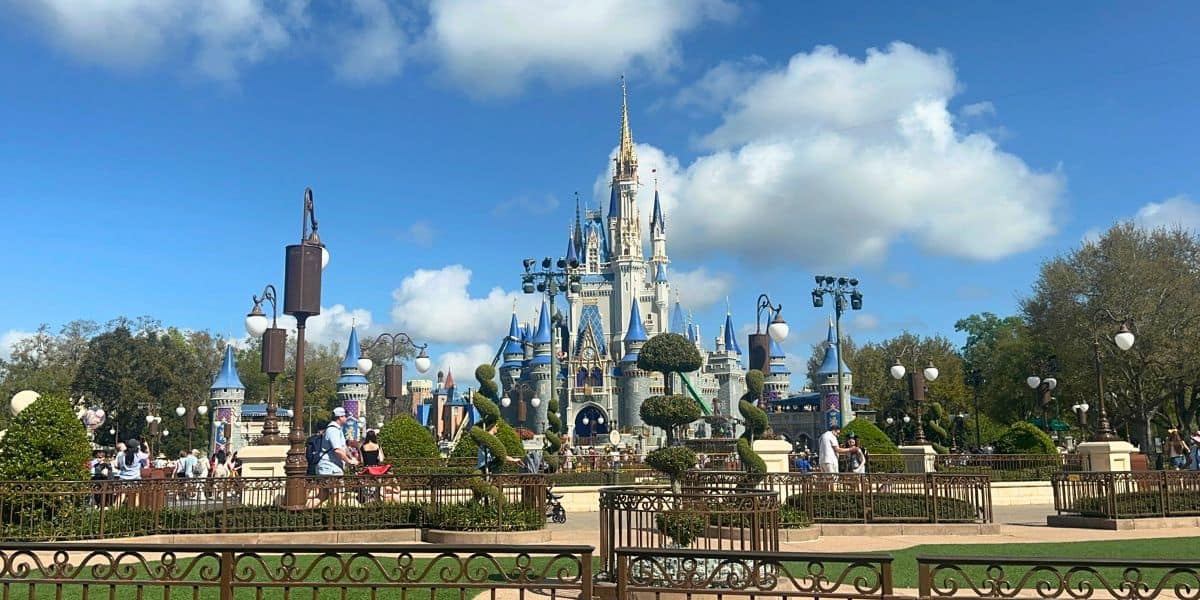
Disney has quietly lowered the cost of Lightning Lane Multi Pass at Magic Kingdom, offering a bit of breathing room for guests visiting right now. It’s not a massive rollback, but after the recent surge, even a small drop is enough to get people talking.
A Quick Turnaround in Pricing
On April 3, Lightning Lane Multi Pass hit $45 per person at Magic Kingdom. That number stood out immediately, not just because it was high, but because it reinforced the idea that skipping lines at Disney now comes at a premium.
As of April 19, that same offering is priced at $35.
That’s a 22% decrease in just over two weeks.
It’s not something Disney is advertising front and center, but the change reflects a familiar pattern. When demand peaks, prices rise. When it softens, they adjust.
Why Prices Dropped Now
The answer here is pretty straightforward: spring break is over.
For weeks, Walt Disney World was operating under some of its highest crowd levels of the year. Families flooded the parks, wait times stretched, and Lightning Lane became even more valuable as a way to navigate packed days.
Now that those crowds are starting to thin out, Disney has adjusted pricing to match.
This doesn’t mean the parks are empty by any stretch, but they’re no longer operating at that peak spring break intensity. And when demand dips, so does the price—at least temporarily.
A Small Break for Guests
Let’s be honest—$35 is still expensive.
For a family, it adds up quickly. But compared to $45, it feels like a step in the right direction. For guests already planning to purchase Lightning Lane, that $10 difference per person can make a noticeable impact.
For others, it might be the deciding factor.
Lightning Lane Multi Pass has become a core part of how many guests experience Magic Kingdom. It helps cut down wait times and makes it easier to fit more attractions into a single day. When the price drops, even slightly, it opens the door for more people to consider using it.

The Bigger Trend Isn’t Changing
While this decrease is a welcome update, it doesn’t signal a larger shift in Disney’s pricing strategy.
If anything, the bigger picture tells a different story.
Disney continues to raise prices across tickets, hotels, and add-ons. Just last week, the company confirmed future pricing increases for 2027, reinforcing that the overall direction is still upward.
This current drop is more about timing than policy.
It’s tied directly to crowd levels, not a broader effort to make Disney more affordable.
Why Timing Matters More Than Ever
This situation highlights something that’s becoming increasingly important for Disney vacations: when you go can impact how much you spend.
Lightning Lane pricing now fluctuates based on demand, meaning guests visiting during lower crowd periods can save money without changing anything else about their trip.
That’s exactly what’s happening right now.
With spring break behind us and summer crowds not quite here yet, there’s a short window where pricing feels a little less intense.
Don’t Get Used to It
If you’re planning a summer trip, don’t expect this pricing to stick around.
Once schools let out and vacation season ramps up, demand will spike again. And when that happens, Lightning Lane prices are almost certain to climb back up.
That $45 price point we saw earlier this month? It could return sooner than you think.
For now, though, guests visiting this week are catching a rare moment where things feel just a bit more manageable.
A Rare Bit of Relief
In the grand scheme of a Walt Disney World vacation, this isn’t a game-changing discount. It doesn’t suddenly make the parks cheap or solve the broader concerns fans have about rising costs.
But it is a reminder that pricing isn’t fixed.
It moves with demand, and occasionally, that movement works in the guest’s favor.
Right now is one of those moments.
It may not last long, but for travelers looking to save wherever they can, even a small break like this is worth paying attention to.