Guests plan trips expecting the usual lineup, but then another ride closes, another area gets blocked off, and suddenly the parks feel harder to navigate. And it’s not just the closures themselves that create the stress. It’s the ripple effect they cause. Paths get more crowded, popular rides soak up even more demand, and the parks start feeling like they’re operating with fewer “pressure valves” to spread people out.
And while most attention has been on closures, Disney has also been quietly tweaking Lightning Lane.
Not with a big announcement. Just small changes that guests notice once they’re already inside the parks, staring at the app and realizing planning feels more stressful than it used to. It’s the kind of situation where you almost feel like you need to constantly check for updates, because what worked last year might not work the same way in 2026.
Lightning Lane Has Become a Necessity
Lightning Lane gives guests the chance to pay for shorter queues and reserve faster ride access. For many visitors, it’s the only realistic way to avoid spending the entire day stuck in standby lines.
But the system isn’t straightforward. Different attractions fall into different Lightning Lane categories, and many guests end up purchasing multiple options to keep their day moving.
Major Closures Are Piling Up
Lightning Lane works best when Disney has enough rides open to spread crowds out. But in 2026, Disney is shrinking ride capacity across multiple parks.
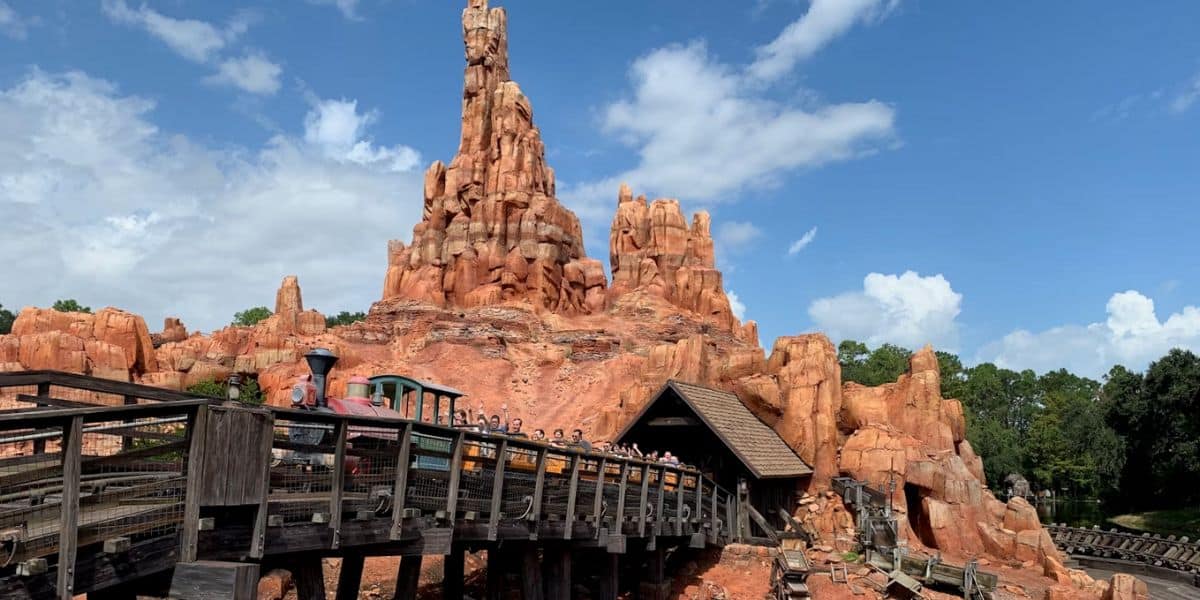
Animal Kingdom permanently closed DinoLand U.S.A. and is now transforming it into Tropical Americas. Magic Kingdom is missing Big Thunder Mountain Railroad and Buzz Lightyear’s Space Ranger Spin, both expected to reopen in spring 2026.
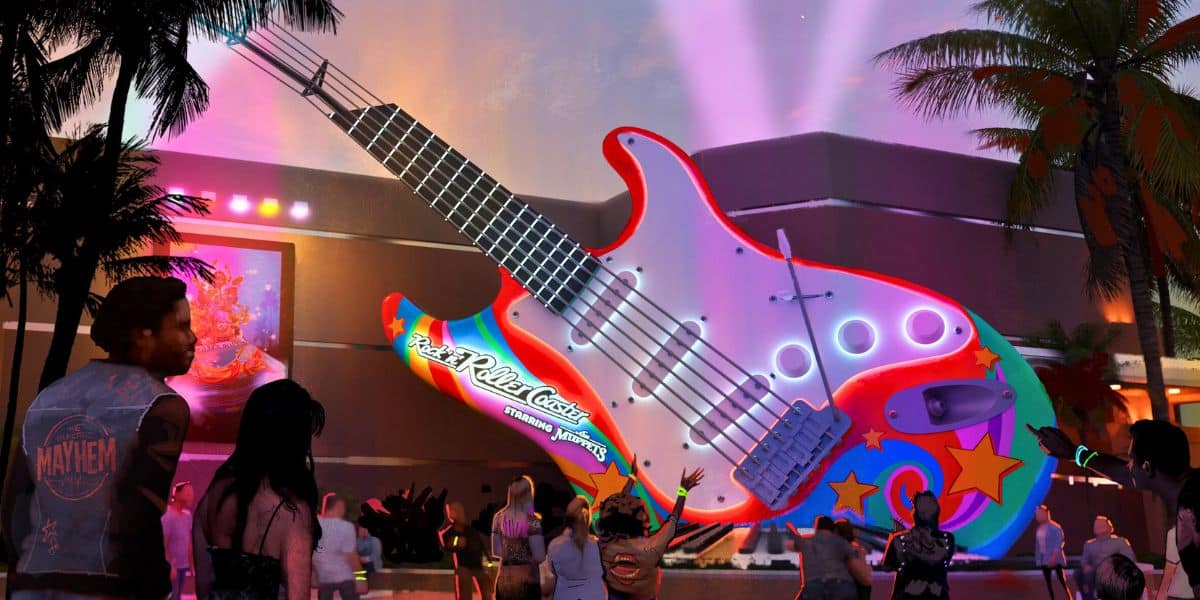
Hollywood Studios faces a major shakeup as Rock ’n’ Roller Coaster permanently closes on March 2, 2026, ahead of its Muppets retheme. Animal Kingdom also loses the Wildlife Express Train from February 23 through summer 2026, limiting access to Rafiki’s Planet Watch.
Less Capacity Means Longer Wait Times
The crowds aren’t going anywhere. When rides close, guests simply flood into whatever is still operating.
That means longer waits for Pirates of the Caribbean, Haunted Mansion, Jungle Cruise, Tower of Terror, Pandora, and Expedition Everest.
Demand Will Push Lightning Lane Prices Higher
As standby waits climb, Lightning Lane demand rises. And Disney raises prices when demand increases. That’s the part that frustrates guests the most, because it feels like the system gets more expensive just when you need it most.
Fewer return times also create urgency, making Lightning Lane feel even harder to avoid. Once the best time slots disappear early in the day, guests either scramble for leftovers or feel pressured to buy even more Lightning Lane options just to salvage their plans.

How Guests Can Avoid the Worst Lines
Suppose you don’t want to pay extra; timing matters. Ride late at night during the final hour before closing, when many families start heading for the exits, and the park naturally thins out. That last stretch of the night can sometimes feel like a completely different park, especially if you’ve been dealing with heavy crowds all day.
Fireworks and parade windows can also help since crowds shift toward entertainment. While most guests are grabbing spots on Main Street or staking out a curb in front of the castle, ride lines can dip just enough to make a huge difference. It doesn’t always happen, but when it does, it can save your entire day. If you’re willing to skip the show or watch it from a less popular location, you can squeeze in one or two big attractions with far less stress.

2026 Will Feel Like a Different Disney World
With DinoLand gone, Tropical Americas construction underway, Big Thunder and Buzz Lightyear down until spring, Rock ’n’ Roller Coaster permanently closing March 2, and the Wildlife Express Train closed for months, Disney World will feel more crowded than ever.
And Lightning Lane will likely become the center of every trip.