Walt Disney World's operational approach to its water park portfolio has evolved significantly over the decades since River Country first opened in 1976, followed by Typhoon Lagoon in 1989 and Blizzard Beach in 1995.

The resort's water park strategy has consistently balanced guest demand against maintenance requirements and seasonal attendance patterns, with varying degrees of success in managing both facilities simultaneously.
For years, Disney maintained both Typhoon Lagoon and Blizzard Beach in continuous year-round operation, but shifting economics and operational realities eventually led to the alternating seasonal closure model that now defines the water park experience.
This rotation ensures one facility remains available while the other undergoes necessary refurbishment work, addressing the intensive maintenance demands that water attractions require without completely eliminating aquatic recreation options for resort guests.

The approach reflects pragmatic operational management but creates planning complications for visitors who may have strong preferences between the two distinctly themed parks or who arrive during closure windows unaware that their preferred facility sits empty. Understanding this rotation has become essential knowledge for anyone planning comprehensive Walt Disney World vacations, particularly families who prioritize water park experiences or who visit during the transitional periods when operations shift from one facility to the other.
Typhoon Lagoon concluded operations February 14, 2026, entering a three-month seasonal closure that positions Blizzard Beach as Walt Disney World's sole operating water park through mid-May. The rotation reflects Disney's established pattern of alternating water park availability while maintaining at least one facility accessible to guests year-round.
Operational Context and Historical Perspective
The alternating closure strategy emerged as Disney's preferred operational model for managing two water parks with overlapping peak seasons and intensive maintenance requirements. Unlike theme parks that can perform attraction-level refurbishments while remaining partially operational, water parks require more comprehensive seasonal work addressing pool systems, filtration infrastructure, slide surfaces, and mechanical systems that deteriorate under constant use.
Disney suspended dual water park operations during the COVID-19 pandemic and its aftermath, operating only Blizzard Beach for an extended period. The company restored simultaneous summer operations in 2025, marking the first time since 2019 that both facilities operated together during peak season. Notably, Disney announced this operational expansion one day before Universal Orlando Resort opened Epic Universe, its massive new theme park that significantly increased regional competition.
The current rotation sees Typhoon Lagoon closed February 15 through May 11, 2026, with Blizzard Beach operating as the exclusive water park option during this window. Both facilities will operate simultaneously beginning May 12 through the summer season, providing maximum aquatic recreation capacity during the period of highest demand.
Guest Impact During Transition Period

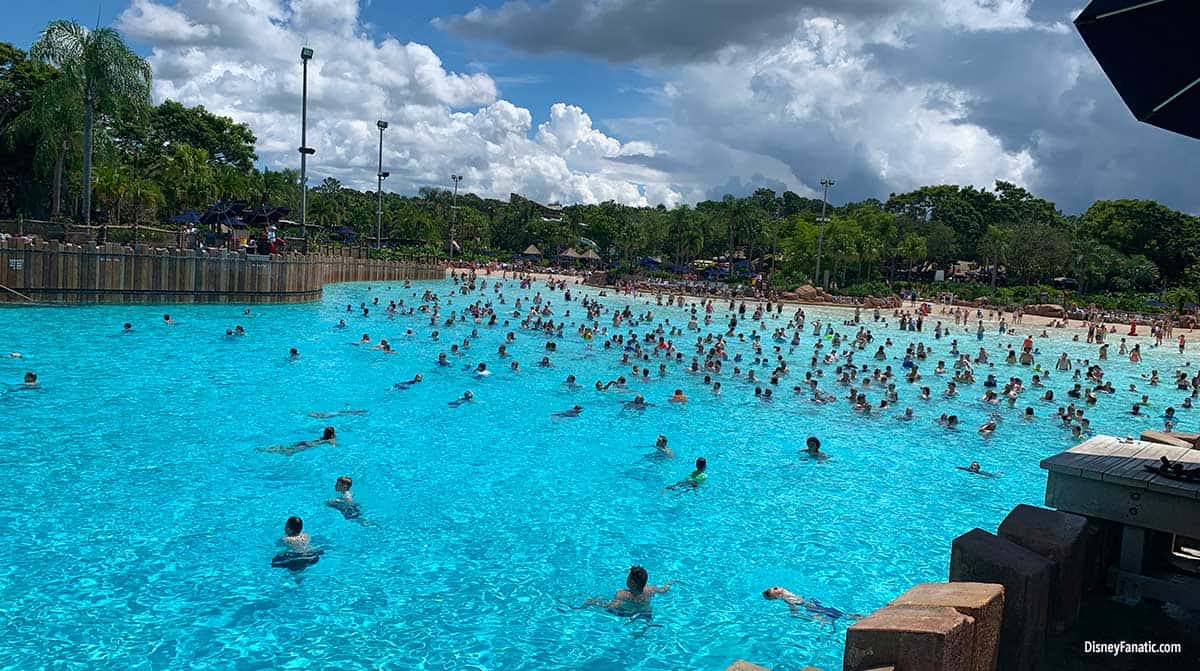
The three-month single-park window creates specific implications for different visitor segments. Spring break travelers, who represent substantial March and early April visitation, face reduced water park choice during a traditionally popular period for family vacations. While Blizzard Beach remains available, guests with strong Typhoon Lagoon preferences lose access to that facility's signature attractions including the wave pool, Crush ‘n' Gusher water coaster, and tropical theming.
Weather considerations add complexity. Central Florida's winter and early spring temperatures remain variable, with periodic cold fronts bringing conditions less conducive to water park visits. Typhoon Lagoon experienced multiple weather-related closures in recent weeks before its seasonal shutdown, demonstrating that operational availability doesn't guarantee comfortable visiting conditions during cooler months.
The timing positions Blizzard Beach to handle all water park demand during spring break season, potentially creating capacity pressures during peak attendance days. The facility's signature attractions including Summit Plummet, Teamboat Springs, and the Frozen-themed Tike's Peak area must accommodate visitors who might otherwise distribute across two facilities if both operated simultaneously.
Seasonal Pass Economics and Incentives

Disney's Blizzard Beach Seasonal Pass, priced at $89 for adults and $83 for children ages 3-9, provides unlimited visits from February 15 through May 9, 2026. The pricing represents value for frequent visitors or extended-stay guests, particularly when compared against standard daily admission rates.
Additional perks enhance the value proposition. Pass holders receive 20% discounts on Polar Patios cabana rentals, though exclusively through walk-up arrangements rather than advance reservations. The restriction limits utility for guests preferring guaranteed cabana access but maintains discount availability for those willing to accept day-of uncertainty.
The inclusion of one complimentary miniature golf round at Winter Summerland or Fantasia Gardens before 4 p.m. extends value beyond water park access, incorporating a separate paid activity into the pass benefits. However, the single-use limitation means the golf perk provides one-time rather than recurring value.
March 28 through April 5 blockout dates correspond with peak spring break demand when Blizzard Beach expects maximum capacity. The restriction protects against overcrowding during the busiest period while reducing pass value by eliminating access during eight days when many families would most want to visit.
The seasonal pass targets specific guest segments including local annual passholders making frequent short visits, families planning extended Disney World stays spanning multiple weeks, and visitors making repeat trips during the validity window. For single-visit tourists, standard admission makes more economic sense.
Summer Dual Operations and Resort Guest Benefits
Both water parks resume simultaneous operations May 12, 2026, providing maximum aquatic recreation capacity through summer. The dual operation represents Disney's response to peak season demand while maintaining the rotating closure model during lower-attendance periods.
Disney Resorts Collection hotel guests staying between May 26 and September 8, 2026, receive complimentary water park admission on check-in day. The benefit adds incremental value to on-property hotel stays, though application limited to a single day rather than the entire reservation period constrains overall impact.
The check-in day restriction creates specific use cases. Guests arriving with afternoon hotel check-in times may find limited water park hours remaining on that day, reducing practical benefit. Conversely, visitors arriving early morning with rooms not yet available can utilize water park admission as a productive activity before hotel occupancy begins.
The perk's timing during summer peak season when both water parks operate simultaneously provides choice between Typhoon Lagoon and Blizzard Beach, enhancing flexibility compared to spring periods when only one facility operates.
Infrastructure and New Offerings
Blizzard Beach introduces Buffalo Ranch Chicken Strips to Lottawatta Lodge's menu, expanding quick-service dining options. While the item appears at other Disney World locations, its addition addresses food variety at a facility where dining choices remain more limited than theme park counterparts.
The Frozen-themed Tike's Peak area continues serving younger guests with dedicated shallow-water play spaces featuring Anna, Elsa, and Olaf theming. The area represents Disney's incorporation of popular intellectual property into water park experiences, applying the same character integration strategy used across theme parks to aquatic facilities.
Strategic Considerations

The alternating closure model reflects several operational priorities. Maintenance intensity for water parks exceeds that of traditional theme parks due to pool systems, chemical treatment, filtration infrastructure, and water slide surfaces requiring regular comprehensive attention. Closing one facility completely allows thorough refurbishment impossible during ongoing operations.
Seasonal demand patterns justify the rotation. Winter and early spring see reduced water park attendance due to cooler temperatures, making these periods optimal for extended closures that would prove more disruptive during summer peak season. The strategy concentrates reduced winter demand at a single facility while avoiding the expense of staffing and operating two parks during lower attendance.
However, the approach creates guest experience tradeoffs. Reduced choice during spring break season affects visitors whose preferences align with the closed facility. The rotation also complicates planning for guests unaware of the schedule, potentially creating disappointment when preferred water parks sit offline during their visits.
Check Disney's operating calendar before finalizing travel plans if water parks factor significantly into your vacation priorities. The seasonal rotation means assumptions about both facilities operating simultaneously don't hold outside summer months, and discovering your preferred park is closed after arrival creates unnecessary frustration that advance research easily prevents.