Current Status of Disney World Expansion
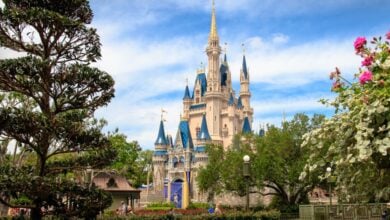
Disney World, officially known as the Walt Disney World Resort, boasts 43 square miles of land in Central Florida. This remarkable expanse includes theme parks, hotels, and dining and entertainment options. Despite this vast land availability, only about 38 percent of it has been developed, leaving a significant 62 percent unexplored.
Historically, the vision for the parks has encompassed steady expansion, which is evident in the growth from Magic Kingdom to other themed attractions.

Since its opening, Disney World has attracted millions, creating a vibrant entertainment complex. However, the current landscape poses a puzzling question: why isn't Disney opting for expansive growth when such significant undeveloped territory remains? Instead, the focus has shifted towards replacing existing attractions rather than building new ones.
Reasons Behind Ride Replacements
A keen examination of Disney's strategy indicates that financial considerations drive the tendency to replace rather than expand. Building a new park or significantly expanding existing attractions can incur massive costs. While estimates for recent park developments hover around the billion-dollar mark, replacing rides tends to be a far more cost-effective solution.

This trend becomes even clearer when comparing Disney's spending with that of its competitors, particularly Universal Orlando. With Universal constructing a new park, the pressure mounts for Disney to respond. Financial constraints coupled with management's choices have led to a cycle where iconic rides, such as Muppet Vision 3D, are on the chopping block in favor of new, albeit less nostalgic installations.
Planned Changes in Existing Parks
Significant alterations are on the horizon within the Walt Disney World Resort realm. Notably, Magic Kingdom will see expansions with the introduction of new areas dedicated to beloved franchises. However, these expansions will preclude timeless attractions like Rivers of America and Tom Sawyer Island, sparking debate among fans about the trade-offs.

Hollywood Studios is preparing to transition from Muppet Vision 3D to a new Monsters, Inc. themed section, concurrently with Animal Kingdom dismantling DinoLand U.S.A. to make way for an Encanto-themed area. While these changes may modernize the parks, they also bring into question how well Disney is managing crowd distribution. The decision to replace rather than enlarge raises concerns about guest experiences amidst enduring popularity.
Strategic Implications of Decisions
The strategic implications of these decisions have far-reaching consequences for the long-term vision of the Walt Disney World Resort. Executives appear committed to attracting guests through rich multimedia experiences rather than expanding the park's footprint. However, the net effect of these choices may not sufficiently alleviate the crowding that defines peak visiting times.

By focusing on replacing attractions like Rock ‘n' Roller Coaster, Disney aims to keep pace with competitors like Universal Orlando, which is unveiling newer attractions at a breakneck speed. The question remains: Are these renovations sufficient to maintain Disney's reputation as the leader in theme park entertainment?
Fans and industry analysts alike are left to ponder whether replacing existing attractions will enhance or detract from the overall experience at the parks. As the industry evolves, so too do the expectations placed upon iconic destinations like the Walt Disney World Resort. The balancing act between nostalgia and innovation remains precarious, leaving enthusiasts eagerly speculating about what the future holds for their beloved parks.