Bob Chapek, who led The Walt Disney Company until 2022, has a new memoir out. In it, he lays out why he believed Disneyland Resort's most loyal visitors were costing the company money, and why he considered eliminating Magic Keys.
Chapek Takes Aim at Frequent Visitors

In “Behind the Castle Walls: My Thirty Years at the Happiest Place on Earth,” Chapek says the Southern California parks no longer had an offseason by the time he became chairman of Walt Disney Parks and Resorts in 2015. Crowds were heavy, and Disneyland Resort had about 1.1 million passholders at one point. He saw that as a problem to solve, and he started brainstorming fixes after Bob Iger promoted him to CEO in 2020.
His verdict on the old Annual Pass model, shared in an excerpt published by The Orange County Register, was blunt.
“The passholder experience was a fantastic deal for the passholder, but a terrible one for Disney and its more vacation-oriented guests,” he wrote.
Disney's own numbers backed up that view, according to the book. The company found that vacationers spent roughly six times as much per day as Magic Key holders. Out-of-town visitors were more likely to buy merchandise, eat in the parks, stay at Disney Resort hotels, and purchase multi-day tickets, which cost far more per day than an Annual Pass used over and over again.
Why Disneyland Didn't Scrap Magic Key Passes
Chapek says leadership weighed eliminating the program entirely but backed off over the expected fallout.
“We understood we would get blasted if I attempted to eliminate annual passes altogether, so I moved to shift the math,” he wrote.
That meant courting guests who spent entire days in the Disney parks and slept in the Disney Resort hotels, rather than locals who might drop in for a few hours after work or school. He also wanted to offer elite access and custom experiences to wealthier guests, arguing the approach would keep prices lower for everyone else.
“The fact remains that some customers generated more revenue than others,” he wrote. “Not that I didn't appreciate the passion and enthusiasm the passholders had for Disney.”

He described a company wary of change, citing the “inviolable virtue” that everyone is treated equally and an “unwritten principle” that everyone deserves the same experience, a notion that dates back to Walt Disney's original vision for Disneyland Park.
“People in the company were afraid to change the outdated system, given the fear of a backlash from the loyal passholders who loved the flexibility and value the current system had afforded them for decades,” Chapek recalled.
The Price of Pushing Back
Chapek says he refused to let tradition stand in the way of profits. He raised Magic Key prices, added tiered ticketing, and used the Disney Park Pass Reservation system to limit attendance. In his telling, the pressure from passholders was “enormous.” He also felt the resort was “leaving revenue opportunities on the table to avoid stirring the hornet's nest.”
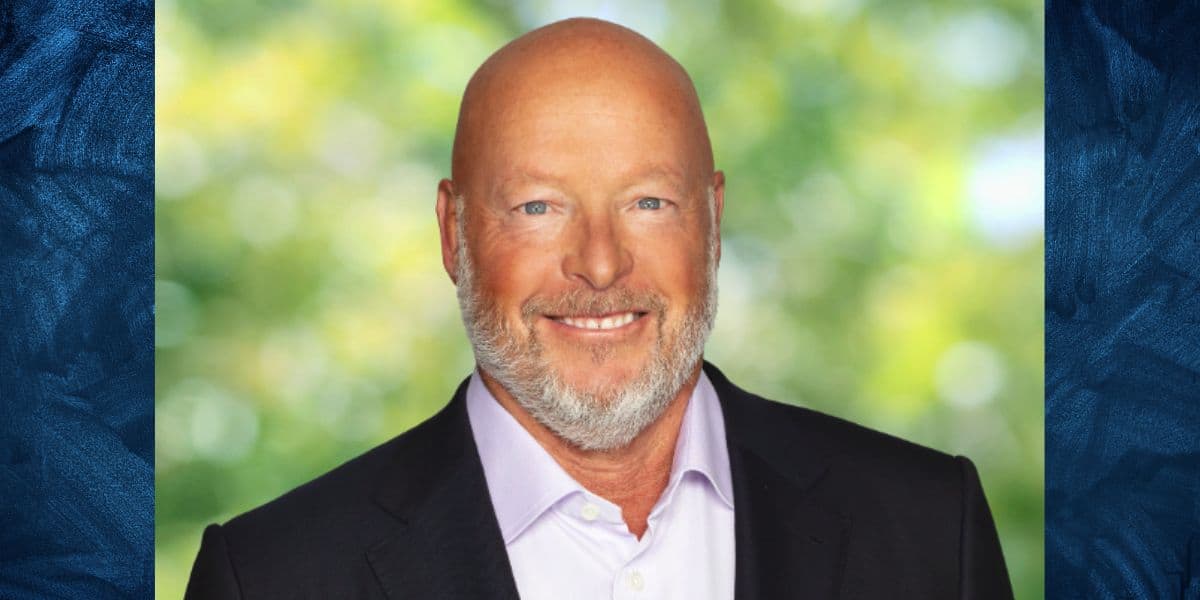
The top Disneyland pass cost $699 when he became chairman. By the time he left the CEO role in 2022, the most expensive Magic Key was $1,599, up 128% in seven years. Passholders were unhappy, and Chapek argues he took the blame.
“I was the one tarred and feathered when the reservation system proved unpopular among superfans,” he explained.
Where Magic Keys Stand Now
As of October 2026, the highest-tier Magic Key costs $1,899. Reservations are still required, but Disneyland Resort recently dropped the no-show penalty for guests who book often and don't show up. Magic Key Pass prices were among the few things left unchanged during the annual October price increase, which took effect earlier this week.

Current CEO Josh D'Amaro hasn't announced any plans to reduce or end the Magic Key Pass Program at Disneyland Resort or Walt Disney World Resort‘s Annual Pass program.
Are Disneyland Magic Keys worth the cost? Share your opinion with Disney Fanatic in the comments!