A Disneyland Paris Ratatouille ride malfunction reportedly sent guests through the Pixar-themed attraction facing backwards, preventing them from seeing the show scenes as intended. The unusual incident occurred on October 11, 2026, at Disney Adventure World, formerly Walt Disney Studios Park, and raises questions about what happens when Disney's sophisticated trackless ride vehicles fail to maintain their intended orientation.
The incident reportedly involved at least one vehicle that remained pointed away from the attraction's screens. Although the exact technical cause has not been confirmed, the experience illustrates how heavily Disney's modern dark rides depend on precisely coordinated movement.

Disneyland Paris Ratatouille Ride Malfunction Leaves Guests Facing Backwards
Content creator Dan, known online as magickingdan, reportedly shared footage on October 11 showing his experience aboard Ratatouille: L'Aventure Totalement Toquée de Rémy.
You can watch the video here: https://www.instagram.com/reel/DeXLH-4Oulm/?utm_source
According to the account attributed to him, his vehicle traveled through the attraction facing away from the screens, effectively turning an immersive adventure into a ride without its intended visual storytelling.
The reported malfunction did not involve a confirmed derailment, collision, or injury. Instead, the central problem concerned the vehicle's orientation relative to the attraction's scenes.
Dan reportedly said Cast Members apologized and offered his party passes to experience the attraction again. He indicated that the passes were subsequently given to another family.
A separate, unverified guest comment suggested the attraction experienced approximately two hours of downtime that Sunday. Disneyland Paris has not publicly confirmed that duration or established whether any reported closure was directly connected to the vehicle incident.
The distinction matters: an incorrectly oriented vehicle demonstrates an apparent operational irregularity, but it does not independently establish a failure of the attraction's safety systems.
How Disney's Trackless Ratatouille Ride Technology Works
Unlike traditional dark rides that follow visible rails, Ratatouille uses trackless vehicles designed to navigate predetermined movements through elaborate indoor environments.
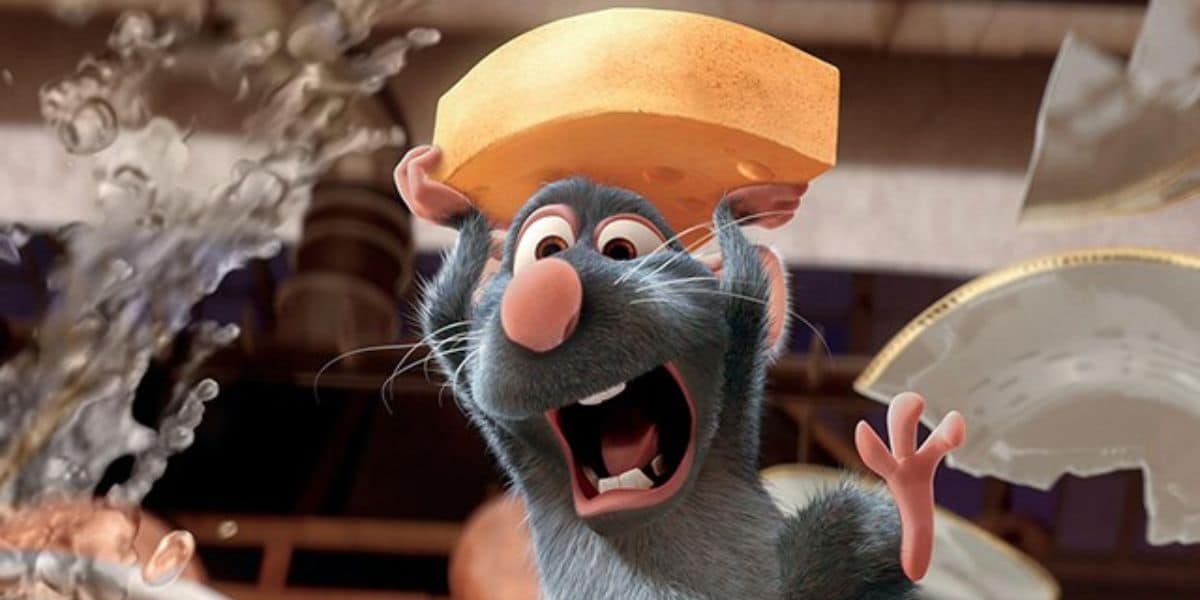
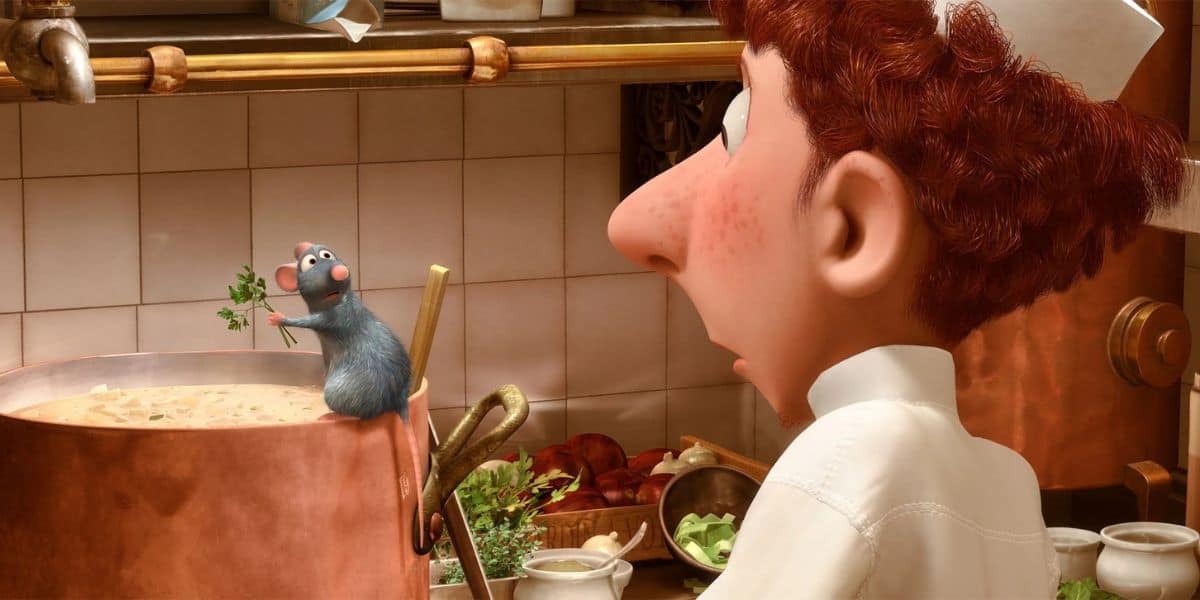
The rat-shaped vehicles rotate and maneuver between physical scenery and large projection surfaces, creating the illusion that guests have shrunk to Remy's size.
That flexibility is essential to the attraction's storytelling. Vehicles must face the appropriate direction at specific moments so riders can follow the action unfolding around Gusteau's restaurant.
As explained in Inside the Magic's previous coverage of Ratatouille's trackless ride technology, these experiences rely on coordinated vehicle movement and show elements.
When that coordination appears to break down, guests can miss substantial portions of the experience even if their vehicle continues traveling through the building.
However, the precise cause of this incident remains unknown. A programming error, positioning problem, or other technical fault cannot be identified conclusively from the reported footage alone.
Disney has not released a technical explanation establishing whether the issue originated with an individual vehicle, its navigation controls, or another component.
Malfunction Follows Major Ratatouille Attraction Refurbishment
The reported incident comes after Disneyland Paris completed a significant refurbishment of its original Ratatouille attraction.
Disneyland Paris announced the renovation in August 2025, outlining technical enhancements, refreshed scenery, and improvements intended to modernize the experience.
The refurbishment included replacing the attraction's original 3D presentation with 2D imagery, alongside additional scenic details and an enhanced queue.
Inside the Magic previously examined Disney's major changes to the Ratatouille attraction and the implications for its established ride experience.
The original attraction opened at Disneyland Paris on July 10, 2014, according to the resort's official anniversary retrospective.
Its arrival helped establish a major Pixar-themed destination within the park, combining large-scale scenery, animated projections, and unconventional ride movement.
Inside the Magic also covered the attraction's extended refurbishment and reopening plans.
Importantly, no available evidence connects the October malfunction to the refurbishment. The timing invites scrutiny, but it does not establish that the recent upgrades caused the reported problem.
What the Ratatouille Glitch Means for Disneyland Paris Guests
For visitors, the most immediate consequence was an incomplete attraction experience rather than a confirmed physical safety incident.
Ratatouille depends on carefully timed visual sequences to make guests feel as though they're escaping danger alongside Remy. Facing away from those sequences removes a central element of the ride's appeal.
Disneyland Paris describes the attraction as an adventure through an oversized kitchen, emphasizing the movement and immersive environments that define the experience.
Guests encountering similar problems should notify Cast Members after exiting and explain which portions of the experience were affected.
Any accommodation, replacement ride opportunity, or other resolution remains subject to Cast Member discretion and operational circumstances.
The incident also highlights a broader challenge for Disney's trackless attractions: sophisticated navigation technology creates storytelling opportunities while introducing additional systems that must operate reliably.
Inside the Magic previously documented unexpected downtime involving EPCOT's Ratatouille attraction, although that separate incident does not establish a shared technical cause.
What Happens Next for Disney's Ratatouille Attraction?
Disneyland Paris has not publicly identified the cause of the reported backwards-facing ride experience or announced corrective measures specifically related to it.
There is also no verified announcement of an extended closure, a new refurbishment, or a wider defect affecting the attraction's vehicle fleet.
The immediate questions concern whether the affected vehicle was inspected, whether other vehicles experienced similar behavior, and whether operational adjustments were necessary.
For guests planning visits, the official Disney Adventure World attraction information remains the appropriate starting point for checking the resort's current offerings.
Until Disney provides further information, the October incident should be treated as a reported individual vehicle malfunction, not evidence of a systemwide failure.
Whether the problem proves isolated or prompts additional technical attention remains an important question for Disneyland Paris as its recently refreshed Pixar attraction continues welcoming guests.