
Few resorts at Walt Disney World carry the nostalgic weight and immediate recognition of Disney's Polynesian Village Resort. Opening alongside the Magic Kingdom in October 1971, the property has spent over five decades establishing itself as the premium choice for families seeking that perfect blend of convenience, atmosphere, and tropical escapism.

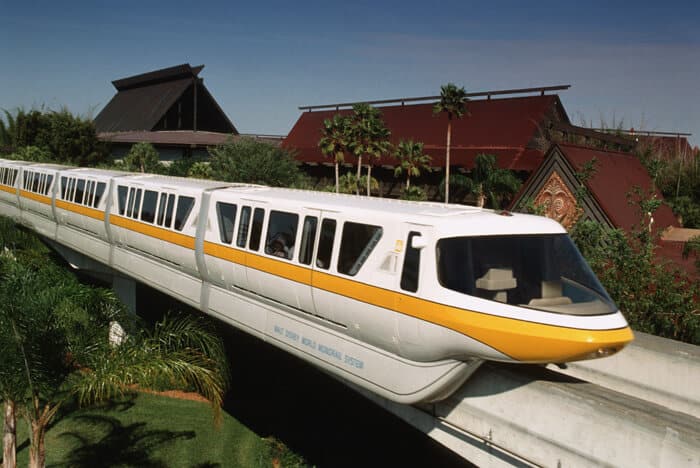
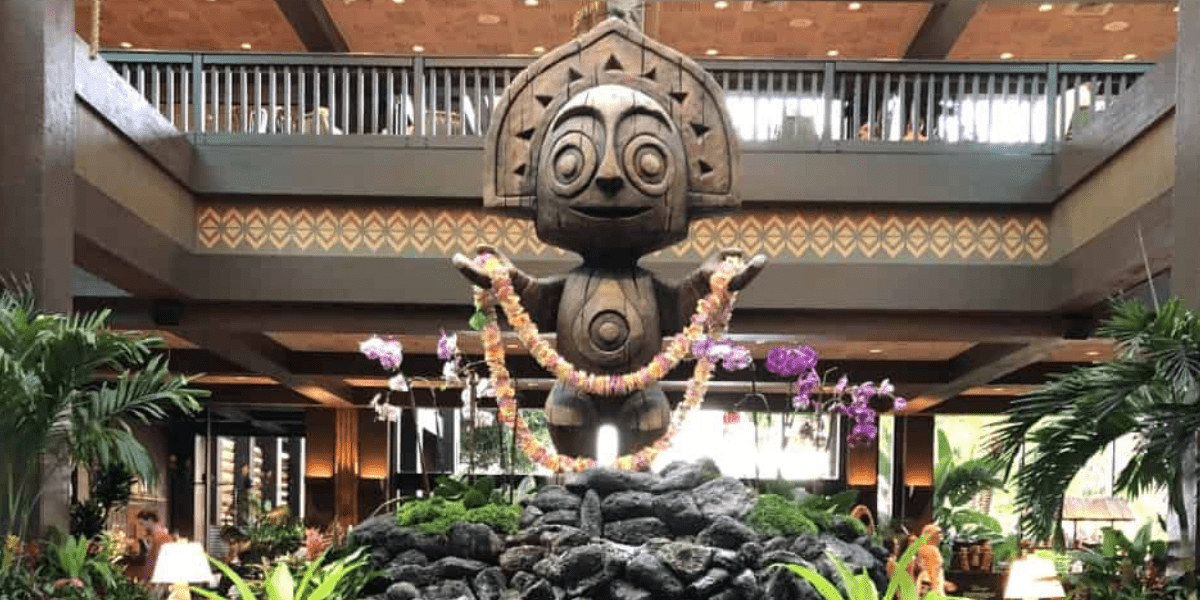
The resort's design captures something essential about the Disney vacation experience. Guests don't gradually transition into vacation mode over the course of their stay. Instead, the shift happens instantly upon entering the Great Ceremonial House, where waterfall sounds, fragrant florals, and soaring A-frame architecture signal an immediate departure from everyday life. It's the kind of immersive environment that justifies the deluxe price point for many returning visitors who wouldn't consider staying anywhere else. Strategic positioning adds measurably to the Polynesian's appeal. The resort sits directly on the Magic Kingdom monorail line, offering guests arguably the most efficient park access available at any Disney hotel. Within minutes of leaving their rooms, families can be walking down Main Street USA without navigating buses or dealing with parking complications. Boat transportation across Seven Seas Lagoon provides a scenic alternative, while the resort's beach delivers unmatched views of both Cinderella Castle and the nightly fireworks spectacular. Recent years have brought substantial changes to the property. Moana-themed room renovations updated the guest experience while maintaining the Polynesian aesthetic. Disney Vacation Club expansion has added new villa accommodations.
The club level has received significant enhancements. A redesigned entrance and monorail platform have modernized guest arrival experiences. Each of these improvements has reinforced the Polynesian's position as a flagship property, but they've also contributed to an increasingly crowded resort environment that's beginning to strain under its own popularity. Now, operational realities are forcing Disney to implement significant changes to how guests access and navigate the property.
Vehicle Traffic Gets Separated by Type
Disney recently reconfigured how guests arrive at the Polynesian by car, creating separate pathways for different vehicle types. The entrance that previously handled all arriving traffic now exclusively serves bus transportation, while personal vehicles belonging to resort guests must use the newly constructed entrance instead.
This separation addresses growing congestion issues that have plagued the resort during peak hours. By routing buses through one entrance and personal cars through another, Disney aims to prevent the bottlenecks that frequently developed when both traffic types competed for the same access points.
Guests who've stayed at the Polynesian before will notice the difference immediately upon arrival. The familiar approach is no longer available for those driving their own vehicles. Instead, signage directs drivers along an alternate route to reach parking areas and resort buildings. While the change makes logistical sense, it does require guests to pay closer attention during arrival to avoid mistakenly entering the bus-only entrance.
Disney has been including information about the new entrance in pre-arrival communications sent to guests with upcoming reservations. However, visitors who booked through third parties or who haven't carefully reviewed their confirmation emails may arrive unaware of the updated routing. Taking a moment to familiarize yourself with the new traffic pattern before departure can save confusion during check-in.
The volume of vehicles moving through the Polynesian on any given day far exceeds typical resort traffic. Between overnight guests, dining reservations at ‘Ohana and Trader Sam's, monorail transfers, and evening fireworks viewers, the property functions more like a theme park entrance than a hotel at certain hours. The entrance separation represents Disney's attempt to make that heavy traffic manageable.
Bus Operations Move to Temporary Location
All bus stops at the Polynesian have been temporarily relocated to the Porte Cochere area while the resort undergoes operational adjustments. New directional signage guides guests toward the Great Ceremonial House, where additional markers indicate the path to the temporary bus pickup and dropoff zones.
Disney hasn't provided a specific timeline for when bus operations will return to their permanent locations. The temporary nature of the change suggests it relates to construction, infrastructure work, or other behind-the-scenes projects that necessitate clearing the usual bus stop areas.
For guests depending on Disney transportation to reach Hollywood Studios, Animal Kingdom, Disney Springs, or other destinations, the relocation means adjusting mental maps of where to find buses. The Porte Cochere placement actually positions bus stops closer to the main lobby and certain room buildings, which may prove more convenient depending on where guests are staying. Others will find themselves walking slightly longer distances than they're accustomed to from previous visits.
These kinds of temporary operational shifts happen regularly at Disney resorts undergoing enhancement projects or infrastructure updates. While they can create minor inconveniences, they're typically necessary steps in maintaining and improving the property long-term. Guests should simply allow a few extra minutes when planning to catch buses, particularly if they're trying to reach the parks for rope drop or dining reservations with tight timing windows.
Parking Access Faces Stricter Controls
The official entrance and bus changes come alongside increasingly aggressive parking enforcement that guests need to understand before attempting to drive to the Polynesian. While the resort has always maintained parking restrictions, recent months have seen Disney tighten enforcement considerably in response to ongoing abuse of the system.
Current policy allows non-resort guests to park after 2 p.m. if they hold confirmed dining reservations at eligible restaurants. Outside those narrow parameters, parking requires either an active resort reservation or valid reason for being on property. During high-demand periods including holiday weeks, major event days, and busy weekends, Disney frequently closes parking to everyone except registered resort guests regardless of dining plans.
Security at the entrance carefully verifies each arriving vehicle's authorization to park. This verification process, while necessary, creates delays during peak traffic hours. The evening rush between 5 p.m. and 7 p.m., when dinner reservations concentrate and guests begin positioning for fireworks viewing, often sees the longest waits at the checkpoint.
The enforcement crackdown targets guests who've discovered and shared various “parking loopholes” on Disney planning forums and social media. These workarounds typically involve claiming a dining reservation, parking at the Polynesian, then using the monorail or boats to access other areas of Disney World without actually staying at or spending money at the resort. Disney has grown increasingly aware of these tactics and has implemented multiple layers of verification to prevent them.
Even legitimate resort guests returning from Magic Kingdom or other parks should expect potential delays at security, particularly during the hour surrounding the nightly fireworks show when traffic reaches its absolute peak. Building in extra time for re-entry to the resort prevents stress and frustration when delays occur.
Nightly Fireworks Create Beach Chaos
One of the Polynesian's most celebrated amenities has become one of its most frustrating aspects for many guests. The resort's beach provides spectacular unobstructed views of Magic Kingdom's fireworks, but that secret is thoroughly out, resulting in nightly overcrowding and courtesy breakdowns that diminish the experience.
Prime viewing spots disappear quickly, with experienced guests claiming beach real estate an hour or more before showtime. Once fireworks begin, the chaos intensifies. People stand directly in front of families who arrived early to secure seated positions. Phones and tablets held high block views for everyone behind. Walkways get clogged with viewers who don't realize they're preventing other guests from passing through.
Guests who thoughtfully selected viewing positions only to have them blocked seconds before the first burst often express frustration with both the inconsiderate viewers and Disney's failure to better manage the situation. During major holidays, Disney does restrict beach access exclusively to Polynesian guests, but even this measure doesn't solve the overcrowding or courtesy issues.
Ground-level rooms near the beach should anticipate significant noise and foot traffic during fireworks time. The post-show crowd dispersal sends hundreds of people walking past patios and windows, making peaceful evenings difficult for guests hoping to settle young children or simply enjoy quiet relaxation after long park days.
Guests prioritizing calm fireworks viewing should arrive early, choose positions carefully, and prepare for the reality that even perfect planning can't guarantee an unobstructed view once crowds arrive.
Common Areas Overwhelmed by Non-Guests
The Polynesian's fame as one of Disney World's most beautiful and photogenic resorts has created an unintended consequence: the property attracts massive numbers of visitors who have no reservation, dining plans, or overnight stay. These casual visitors treat the resort like a free attraction, exploring grounds, taking photos, and occupying spaces that were designed for paying guests.
Pool access represents the most contentious flashpoint. Resort pools are supposed to be exclusive to overnight guests, but non-guests regularly attempt to enter during busy afternoons. This has forced cast members to conduct more frequent ID checks at pool entrances, verifying that each person has legitimate access. The added security creates delays for actual resort guests trying to enjoy the amenity they paid for.
Beach access, pool bars, and common walkways all face similar verification protocols during peak seasons. Guests staying at the Polynesian should keep their MagicBands or room key cards easily accessible rather than buried in bags, as cast members may request proof of stay multiple times throughout the day.
The Great Ceremonial House, gift shops, restaurant waiting areas, and monorail station experience particularly heavy non-guest traffic. People touring Disney resorts as an activity, using the monorail for transportation between parks and hotels, or simply exploring the property fill spaces that blur the line between public thoroughfare and private hotel grounds. During busy times of year, finding quiet areas to decompress between park visits becomes genuinely challenging.
What Guests Should Know Before Arrival
These changes and challenges don't diminish the Polynesian's fundamental appeal, but they do require adjusted expectations and planning. The resort delivers on its promises of location, theming, and convenience, but those advantages come with tradeoffs that become more pronounced during high-demand periods.
Upcoming guests should account for new entrance configurations when planning arrival times. Build in buffer time for potential parking delays, especially during evening hours. Those hoping to watch fireworks from the beach need to arrive early and prepare for crowds and courtesy issues. Anyone seeking a tranquil resort experience should strongly consider visiting during off-peak seasons when non-guest traffic decreases substantially.
These operational adjustments reflect the complex challenge Disney faces managing properties that have evolved beyond simple hotels into destinations that attract visitors whether they're staying overnight or not.