

There are systems running quietly behind every Disney park day that guests never think about, never see, and would not recognize by name even if they heard it. The people who built and maintained those systems rarely get public acknowledgment, and the systems themselves tend to retire without ceremony. They just stop, replaced by something newer, and the guests who benefited from them never know the difference.
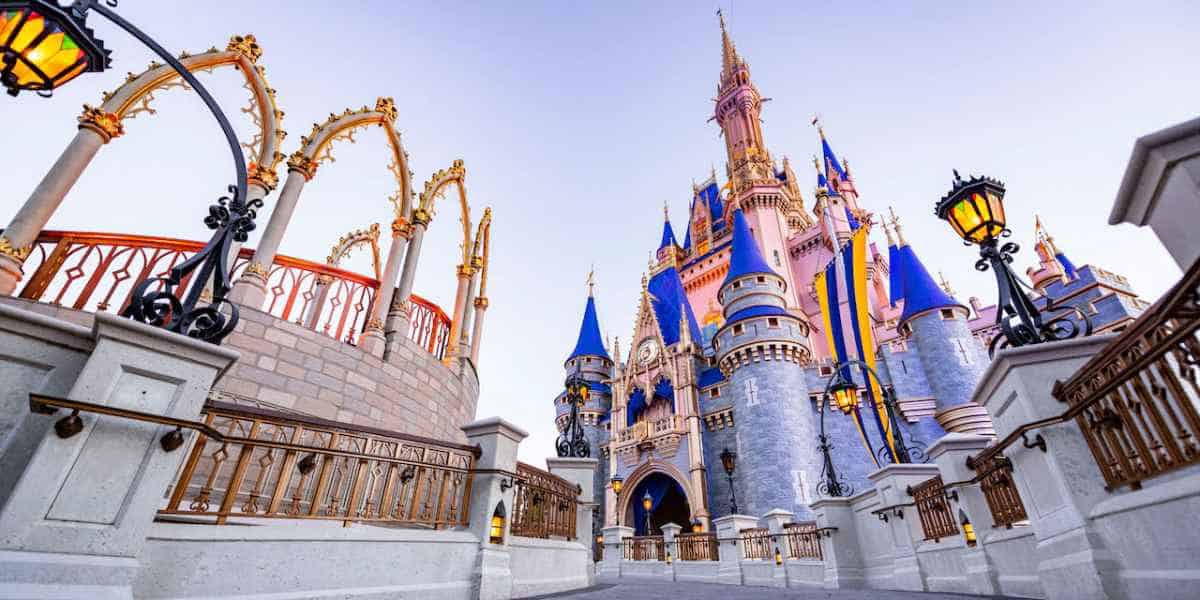
The FLIK system is one of those. It ran for 26 years inside Disney theme parks, shaped the accuracy of every wait time sign guests walked past, and this week received its quietly official retirement notice from someone who helped build it.
Jonathan Reuel, OpSheet Ecosystems Product Director at Walt Disney World, confirmed that Disney has completed the conversion of the last FLIK location in a Disney theme park. The name stands for Fabulous Line Information Keeper. It was a wait time tracking tool that made its debut in 1999 and, as Reuel reflected on the milestone, shaped the guest experience in ways the team could not have fully anticipated when they launched it.
Reuel shared his thoughts in a post that functioned as the officially unofficial retirement announcement for the system. “Today marks a truly special milestone — the end of an era!” he wrote. “We've just completed the conversion of the last FLIK location in a Disney Theme Park. For those who remember the early days, FLIK stands for Fabulous Line Information Keeper, the system that made its debut way back in 1999. It was one of the first OpSheet enhancements I had the privilege to help implement at Walt Disney World, and later, at Disneyland.”
He continued: “It's amazing to reflect on how many Guests contributed to tracking wait times with FLIK over the years, shaping the guest experience in ways we couldn't have imagined at the time. I can't help but wonder — were you ever one of the lucky folks who got handed a FLIK card? If so, you were part of a little slice of Disney history. Just to set the record straight, I can't take credit for coming up with the name, but I have to admit, it's pretty memorable! Here's to everyone who was part of this journey, old school and new. Let's celebrate the progress and the fond memories together.”
What the FLIK System Actually Did

The mechanics of FLIK were simple. Guests entering certain attractions would be handed a small red card at the queue entrance. When they reached the boarding area and were about to get on the ride, a cast member would collect the card. Disney would track the time between the card being issued and the card being returned, giving them an actual measured wait time rather than an estimated one.
That information fed directly into the posted wait times guests see throughout the parks. It sounds like a small thing until you consider how many decisions a Disney guest makes based on wait time information in a single park day. Do you ride this now or come back later? Is the posted time accurate or is the line moving faster than the sign suggests? Is it worth using a Lightning Lane for this attraction or is standby reasonable?
Wait time accuracy is not a cosmetic feature of the park experience. It is an operational input that affects guest flow, decision-making, and satisfaction across the entire day. FLIK was the data collection mechanism behind that accuracy for a significant portion of the system's history.
Reuel framed the guests who received those red cards as unwitting participants in Disney's operational infrastructure. Each cardholder was, without necessarily knowing it, contributing a real data point to the system that informed thousands of other guests about how long they could expect to wait.
Twenty-Six Years Is a Remarkably Long Run

FLIK launched in 1999. That puts its debut in the era of the early Disney website, before MagicBands were imagined, before the Lightning Lane system existed, before smartphones were part of the park experience at all. The original Star Wars prequel trilogy had not started yet. The parks operated on a fundamentally different technological foundation than they do today.
The fact that a system introduced in 1999 remained part of Disney's operational toolkit until 2025 is genuinely remarkable. Theme park technology moves quickly, and tools that seem permanent often disappear within a few years as newer approaches take over. FLIK outlasted entire generations of other operational systems.
Reuel noted that the cards had already been phased out of guest-facing use for roughly a decade before this final conversion. The last guest to hold a red FLIK card at the queue entrance of a Disney attraction probably did not know they were holding one of the final examples of a 26-year-old system. They were just waiting in line.
What Comes Next for Wait Time Tracking

Disney has not publicly detailed what replaced FLIK or how wait time estimation now works across the parks. The conversion of the final FLIK location confirms that newer systems have fully taken over the function, but the specifics of those systems remain inside Disney's operational infrastructure rather than public knowledge.
What is known is that Disney's wait time accuracy has continued to improve over the years as data collection methods have evolved. The parks now have access to tools that were not available in 1999, from MagicBand tap data to camera-based crowd monitoring to the Lightning Lane booking system, all of which provide information about guest flow that a red card system could not.
The retirement of FLIK is a transition point rather than a loss. The problem the system solved still needs solving. The guest who approaches an attraction and looks at the posted wait time is still relying on someone, or something, having measured how long the line actually takes.
How Wait Time Systems Affect a Disney Vacation
Wait time management is one of the most underappreciated aspects of planning a successful Disney park day. It affects nearly everything. Which rides to prioritize at park open. When to grab food versus when to stay in a queue. Whether a Lightning Lane purchase is worth the cost for a specific attraction on a specific day. Whether to adjust your plan based on what the afternoon crowds are doing.
All of that decision-making runs on the accuracy of the wait time data that gets posted at attraction entrances and in the My Disney Experience app. FLIK was part of the infrastructure that made that data reliable for guests across more than two decades of park visits.
For guests who remember being handed a red card in a Disney queue years ago, Reuel's post offers some retroactive context. You were not just a guest waiting for a ride. You were a data point in a system that was actively informing the rest of the park.
If you are planning a Disney World or Disneyland trip and want to talk through how to use wait time information effectively, what tools are available to track real-time conditions, or how to structure your day around what the posted times are actually telling you, drop a question in the comments. We are happy to help you build a plan that makes the most of everything currently available at the parks.



I was given a card once at the entrance of the backlot tour in Hollywood Studios, I handed it in when I got to the ride, I think the wait was around 35 minutes.