Recent Incident Highlights Safety Concerns
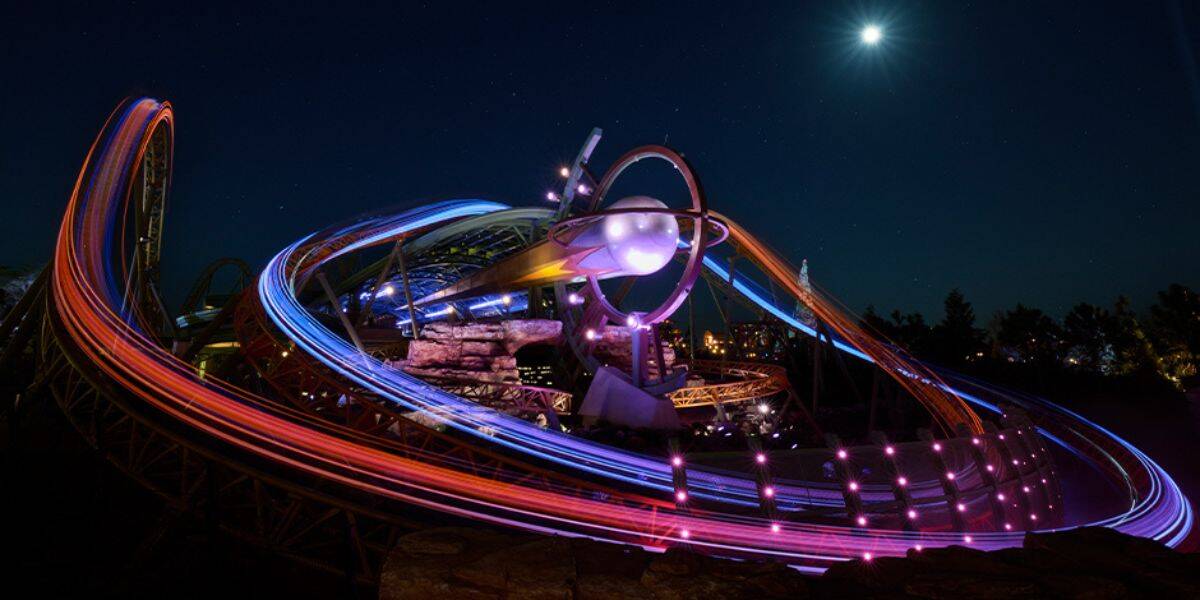
The tragic death of Kevin Rodriguez Zavala, a 32-year-old man, at Universal Orlando's Stardust Racers coaster has ignited serious concerns about ride safety. Zavala sustained multiple blunt impact injuries, as confirmed by the Orange County medical examiner, leading to the ride's brief closure. Following the temporary shutdown, Universal Orlando reopened the ride, implementing new warnings for riders but leaving lingering questions about its safety and the physical condition of patrons before boarding.
Despite the company's assurances regarding the ride's security, the incident has triggered widespread scrutiny over how theme parks manage safety protocols. Observers are increasingly aware of the need for rigorous ride inspections, with concerns over the adequacy of post-incident measures and the processes involved in ensuring the safety of guests.
Florida's Unique Ride Oversight
The situation in Florida has drawn comparisons to the regulatory practices in California, where state inspections are mandated for theme park rides. In contrast, Florida allows Disney World and Universal Orlando to conduct self-inspections without external oversight. This practice creates a system where ride safety reports are largely at the operators' discretion, raising serious questions about the transparency of injury reporting.
A report from the Orlando Sentinel emphasized the troubling nature of this arrangement, suggesting that patrons may face a higher risk from unusual accidents than they are aware of due to the lack of visibility into safety practices. The absence of required oversight compels a reevaluation of how effectively self-monitoring can safeguard the interests of visitors to these attractions.
Political Donations Impact Regulation
Underlying the issue of ride safety is the significant influence of political donations made by Disney and Universal. These contributions have led to claims that such corporations wield considerable power in shaping regulatory measures that favor their operations. Critics argue that this financial relationship compromises the integrity of safety oversight and creates conflicts of interest, as lawmakers may hesitate to impose stricter safety regulations on entities they receive substantial support from.

The interconnection between political donations and operational freedom in the theme park industry has raised alarms. Although park officials assert that high safety standards are crucial to their business interests, skepticism persists regarding the adequacy of self-regulation amidst the backdrop of profit motives.
Future of Ride Safety Regulations
In the wake of Zavala's tragic incident, public demand for enhanced ride safety measures is intensifying. Many citizens express the need for increased scrutiny, with growing calls for Florida to pursue legislative changes that enforce state inspection of theme park rides. The public reaction emphasizes an urgent desire for accountability and transparency to restore trust in the safety practices of these entertainment giants.

As discussions around potential regulatory reforms gain momentum, it remains unclear how Florida's political climate will respond. While some believe that a shift towards requiring state inspections is feasible, the challenge lies in reconciling the operational autonomy of theme parks with the paramount need to protect millions of visitors.
The intersection of political donations, lax oversight, and immediate incidents of ride safety stands at a critical juncture. How Florida addresses these underlying issues may shape the regulatory landscape surrounding ride inspections at Disney World and Universal Orlando Resort, fostering an environment where guest safety can be prioritized alongside commercial interests.