For the thousands of individuals who form the backbone of the Walt Disney World Resort, life “on stage” is a carefully choreographed performance of joy and hospitality. Yet, behind the scenes, the reality for Florida’s largest single-site workforce is becoming increasingly tied to a complex web of legislative changes in Tallahassee.
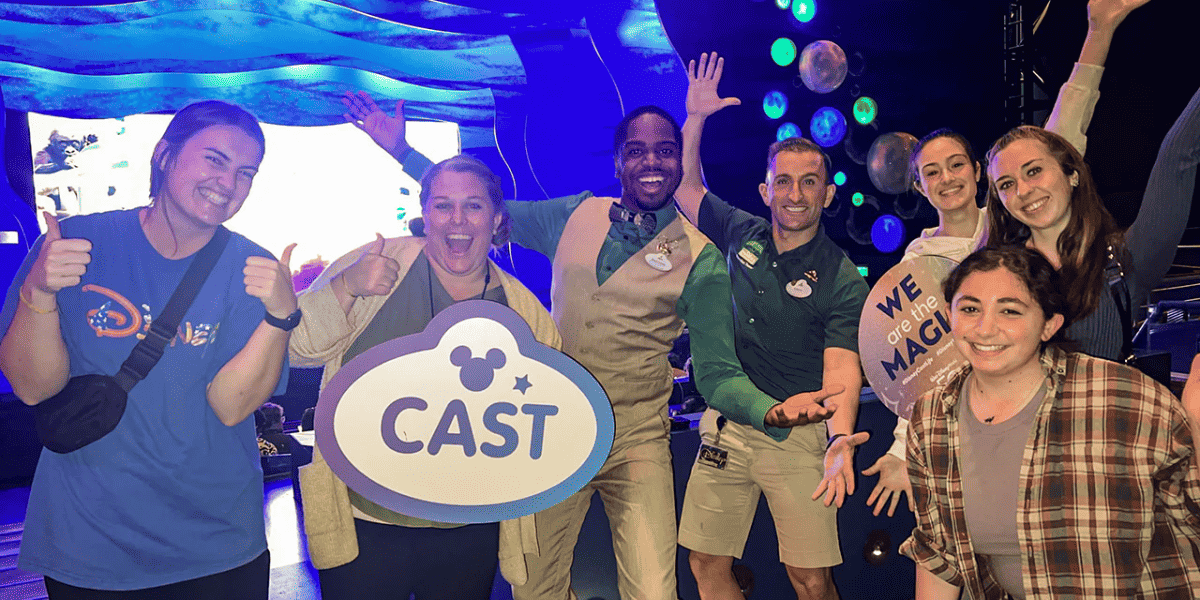
The latest development causing ripples through the breakrooms of the Magic Kingdom and EPCOT is House Bill 191 (HB 191), officially known as the “Promoting Work, Deterring Fraud Act of 2026.” While the title sounds administrative, the implications for the tens of thousands of Cast Members who keep the parks running are profound, introducing a series of new hurdles that could significantly alter the financial safety net they rely on during the tourism industry's inevitable ebbs and flows.
A New Set of Rules for the “Most Magical Place on Earth”
HB 191, which is slated to take effect on July 1, 2026, represents a fundamental tightening of the requirements for workers seeking unemployment benefits—officially known in Florida as reemployment assistance. For a workforce that is often subject to seasonal hour fluctuations, temporary furloughs, and the volatile nature of global tourism, these changes are more than just paperwork; they are a significant shift in the state's social contract.

The Five-Contact Mandate
Under the new law, any worker claiming benefits must prove they have made at least five prospective employer contacts per week. While job-search requirements aren't new, HB 191 mandates a stricter, more uniform enforcement of this quota. For a specialized Disney cast member—such as a pyrotechnic engineer, a character performer, or a specialized ride technician—finding five “comparable” job opportunities in Central Florida every single week can be a daunting, and often performative, task.
The “Three Strikes” Interview Rule
Perhaps the most controversial provision is the “three strikes” rule regarding job interviews. If a claimant fails to appear for a scheduled interview on three separate occasions without a verified, “valid” excuse, they face immediate disqualification from the program. Critics argue this doesn't account for the erratic schedules of hospitality workers, who may be called back to Disney for a single shift on short notice, potentially conflicting with an interview they were forced to schedule to meet their quota.
Why Disney Cast Members are Uniquely Vulnerable
The Central Florida economy is built on a “just-in-time” labor model. Disney World operates at peak capacity during the holidays and spring break, but often scales back hours during the “slower” months of September or January.

For many Cast Members, unemployment benefits have historically served as a bridge—a way to pay rent and buy groceries when their 40-hour work week is suddenly slashed to 20 or less. HB 191 makes it much harder to cross this bridge.
- The Seasonal Squeeze: During off-peak seasons, Disney often utilizes “seasonal” or “part-time” status workers who do not have guaranteed hours. Under the new law, these workers must engage in an exhaustive job search even if they expect their hours to return to full-time in just a few weeks.
- The Identity Gauntlet: HB 191 mandates bi-weekly identity and eligibility cross-checks. Every 14 days, the system will verify that the claimant is living, not incarcerated, and not employed elsewhere. For workers already dealing with the fallout of the infamous CONNECT system failures of years past, these new digital “roadblocks” feel like a recipe for technical glitches and delayed payments.
The Technology Gap: ID.me and Digital Hurdles
A significant component of HB 191 is the mandatory integration of high-level identity verification, such as ID.me. While designed to prevent fraud—a primary goal of the bill’s sponsors—this requirement often creates a digital barrier for workers who may have limited access to high-speed internet or the necessary smartphones to complete biometric scans.

For the veteran Cast Members who have spent decades in the parks, the shift toward a purely digital, compliance-heavy system adds a layer of stress to an already precarious financial situation. The law requires that these checks be completed before a single dollar is disbursed, meaning any technical hiccup could lead to weeks of missed payments.
The Broader Economic Context
This legislative shift comes as the cost of living in Central Florida is skyrocketing. Recent reports indicate that a single adult in the Orlando area needs to earn nearly $48 an hour to live “comfortably”—a far cry from the starting wages of even the most recently negotiated union contracts.

When the safety net of unemployment benefits becomes harder to access, the pressure on the local economy increases. If workers cannot bridge the gap during slow seasons, the risk of housing instability and food insecurity grows, potentially driving talented Cast Members out of the industry—and the state—entirely.
Looking Ahead: A Future of “Sustained Effort”
As July 2026 approaches, Disney Cast Members and their representative unions are bracing for a new era of “sustained effort.” The goal of HB 191 is to ensure that state funds are used only by those actively and aggressively seeking work. However, for those who already have a job they love—but simply need a little help when the “magic” takes a seasonal break—the path forward is looking increasingly steep.