

Netflix is officially bidding farewell to the Harry Potter franchise.
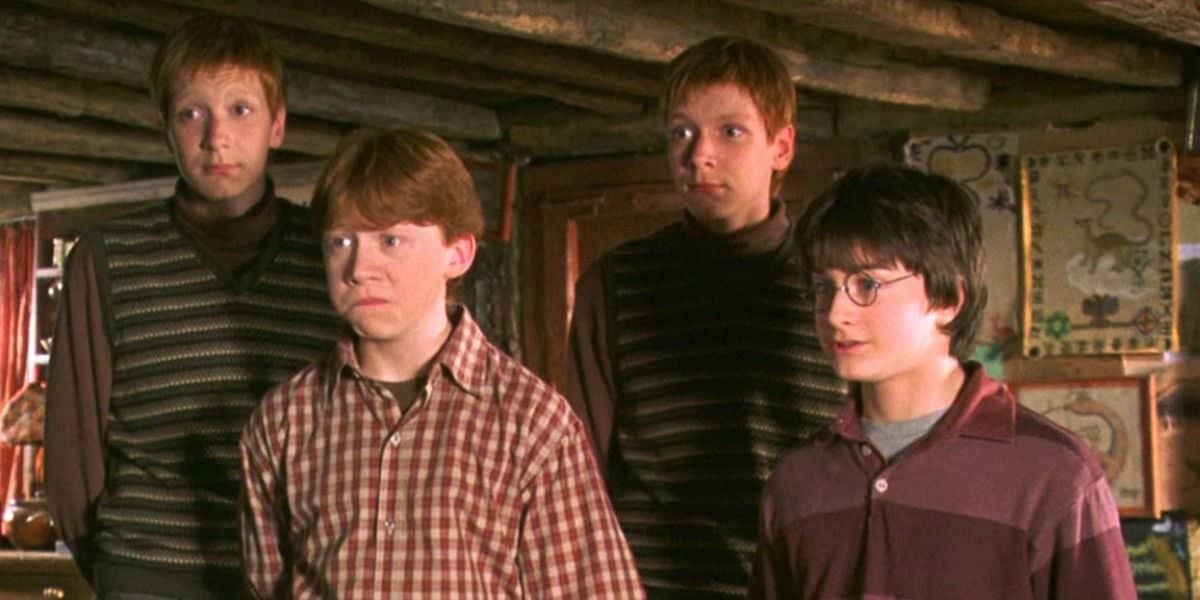
More than two decades after 2001's Harry Potter and the Sorcerer’s Stone arrived in theaters, the Wizarding World remains one of Hollywood’s most influential franchises. Warner Bros.’ eight-film run adapted J.K. Rowling’s seven novels into a sweeping saga that followed Harry Potter, portrayed by Daniel Radcliffe, from an overlooked orphan to the wizard destined to face Lord Voldemort. Emma Watson and Rupert Grint rounded out the central trio as Hermione Granger and Ron Weasley, grounding the spectacle in friendship and loyalty.
As the series passed through the hands of directors including Chris Columbus, Alfonso Cuarón, Mike Newell, and David Yates, it matured alongside its audience, balancing youthful fantasy with increasingly somber stakes rooted in Hogwarts and the wider magical world.

The results were staggering. With more than $7.7 billion in global box office revenue, Harry Potter became a cultural touchstone that extended far beyond cinemas. Spin-off films, theatrical productions, and immersive theme park lands ensured the brand’s longevity, even as the original film series concluded in 2011. That legacy now intersects with a rapidly changing media landscape, as Netflix positions itself to absorb Warner Bros. Discovery and redefine how the Wizarding World reaches audiences.
Netflix has sought to calm concerns that its acquisition of Warner Bros. Discovery might sideline legacy franchises. Instead, the company has indicated that Harry Potter will remain a cornerstone of its future plans, highlighted in promotional materials alongside Netflix’s most recognizable original brands.

The proposed $82.7 billion deal would bring Warner Bros.’ film and TV studios and HBO under Netflix’s umbrella after Warner Bros. Discovery separates its linear networks business in 2026. While regulatory hurdles remain, Netflix has emphasized that theatrical distribution and existing productions will continue uninterrupted, including HBO’s in-progress Harry Potter television reboot slated for early 2027.
Should the merger be approved, analysts suggest the Wizarding World could benefit from broader international reach and expanded development opportunities once the dust settles.
In the short term, however, Netflix users are seeing the franchise move in the opposite direction. In the UK, the Harry Potter films are set to leave Netflix in 2026, with the last day of viewing on December 31, marking the end of their current streaming window. Such shifts are routine for licensed titles. In the U.S., the films cycle through platforms like HBO Max and Peacock, reflecting a broader strategy to keep high-profile IP accessible across multiple services.
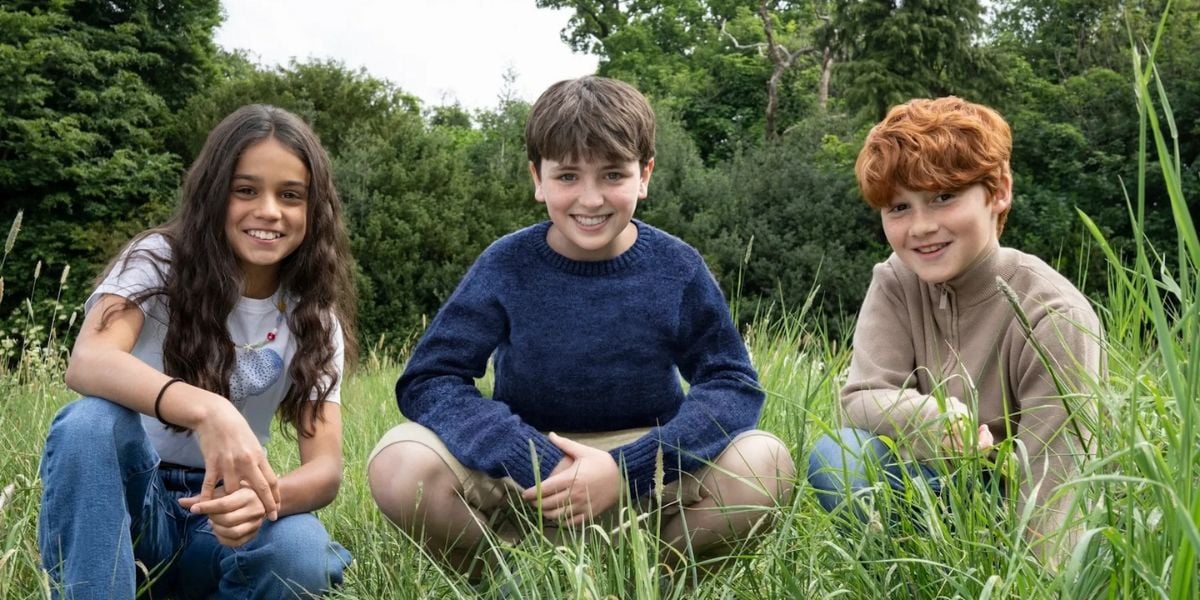
Attention is increasingly turning to HBO’s television adaptation, which aims to retell Rowling’s novels over a planned ten-year run. Casting announcements have already confirmed Dominic McLaughlin, Arabella Stanton, and Alastair Stout as the new Harry, Hermione, and Ron, with John Lithgow set to portray Albus Dumbledore. The absence of a confirmed Voldemort, however, has fueled speculation.
A report attributed to industry insider Daniel Richtman claims HBO is auditioning both men and women for the role, raising the possibility of a different Voldemort. If realized, it would mark a sharp contrast with the films, where Ralph Fiennes embodied the character from 2005 onward, following earlier portrayals of Tom Riddle by Christian Coulson and Hero Fiennes Tiffin.
No studio confirmation has followed, but fans have been quick to debate the implications. Some point out that Voldemort’s early story relies on disembodied voices and partial appearances—most notably his presence with Professor Quirrell, played by Ian Hart—potentially easing a reimagined approach in the series’ opening seasons.

With more room to explore backstory and lore than the films allowed, HBO’s adaptation is expected to chart Voldemort’s evolution in greater detail, placing added weight on how the character is ultimately cast.
Whether or not the rumor proves true, it signals HBO’s interest in revisiting familiar mythology through a fresh lens as Harry Potter prepares for its next major chapter.
How do you feel about all the changes to the Harry Potter franchise? Let us know in the comments down below!