
A shocking video captured inside Disney's Hollywood Studios on Friday, November 20, 2026, has reignited one of the most contentious debates among Walt Disney World Resort guests. In the viral clip—originally shared on Instagram by user drdisneyland and rapidly reposted across X and TikTok—a woman operating an electric mobility scooter collides with a young boy standing still next to his family as they finish up with a Disney PhotoPass photographer.

As the child's right leg becomes caught beneath the scooter and he cries out in pain while his mother rushes to comfort him, thousands of social media users have weighed in on why Walt Disney World does not impose additional restrictions on mobility scooters in its crowded theme park walkways. The person who filmed the incident subsequently confirmed that the boy was okay. Yet the collision has renewed questions about how Disney balances pedestrian safety with accessibility for guests who depend on mobility devices.
The legal reality is more complicated than simply saying Disney has no control over scooter access. Federal disability law requires businesses such as Disney to accommodate qualifying mobility devices, while also allowing legitimate safety requirements and certain restrictions on other types of powered devices.
Inside the Viral Hollywood Studios Mobility Scooter Collision
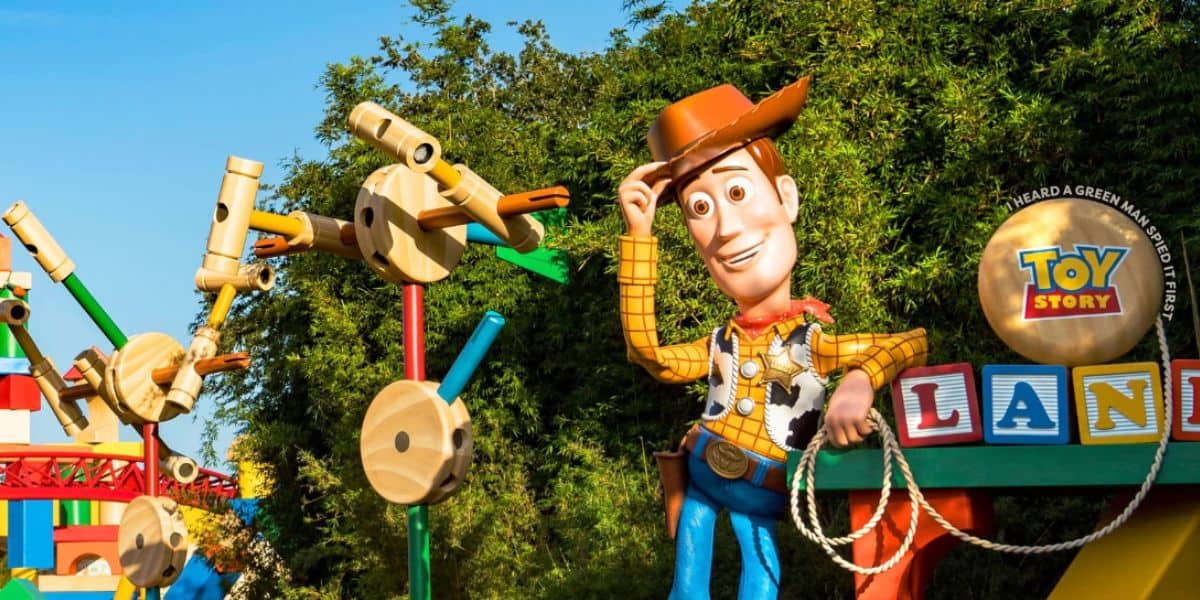
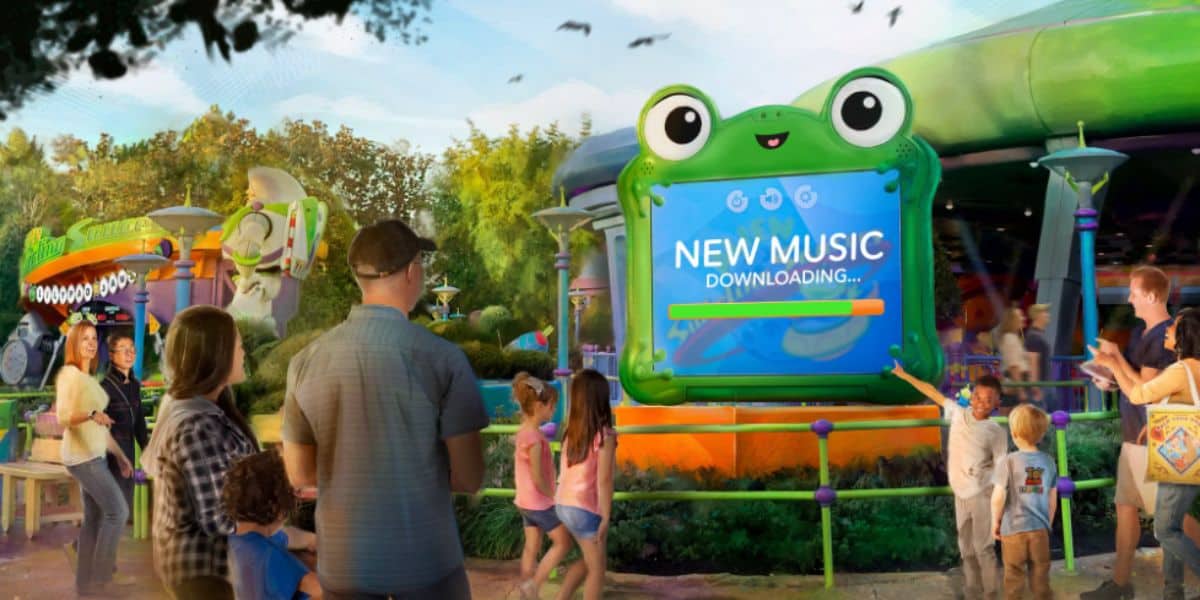
According to the eyewitness who filmed the November 20 incident—who noted he was standing next to the PhotoPass cast member because she was his wife's college roommate—the young boy was standing alongside his family in Toy Story Land while his mother finalized their PhotoPass scan. Suddenly, a woman driving a mobility scooter collided with the child, catching his right leg under the vehicle's front before coming to a stop.
Thankfully, the person who posted the footage confirmed in his caption that the young boy was okay. No further details about his condition have been made public, and there is no independently verified medical report confirming whether he sustained any injuries.
The video quickly attracted attention online, accumulating more than 207,000 likes and nearly 10,000 comments on Instagram at the time of WDW News Today's November 21 report, before being reposted across X and TikTok. Those figures demonstrate substantial engagement, although they do not establish the total number of viewers.
While the video's creator urged viewers to remember that mobility scooters are essential for many visitors and called on both drivers and pedestrians to watch out for one another, the comment sections were filled with frustrated parents and park regulars sharing their own stories of bruised ankles, near-misses, and scooter-related accidents.
The footage does not establish why the woman struck the child, whether she failed to see him, or whether the scooter experienced a mechanical problem. It is also unknown whether she was operating a Disney-rented ECV, a personally owned scooter, or a device rented from a third-party company.
Growing Frustration Over Perceived Scooter Abuse in the Parks
The November 20 collision is far from the first mobility-scooter controversy to sweep Disney's social media in 2026. Earlier this year, older videos resurfaced showing groups of guests using Electric Conveyance Vehicles—commonly referred to by Disney as ECVs—in ways that drew criticism from theme park fans.
One widely discussed video from Disney's Animal Kingdom showed several women using scooters together, prompting complaints from viewers who believed the devices were being treated as entertainment rather than mobility assistance. Other social media discussions have similarly focused on guests apparently driving scooters in circles or bumping into one another.
Those clips fueled criticism from theme park fans who argue that some visitors treat $65-a-day rental scooters like amusement park bumper cars rather than mobility aids. However, the footage also prompted an important reminder from disabled guests: a person's need for mobility assistance cannot reliably be judged by appearance, and not every disability is visible.
Coupled with tight, congested walkways during peak holiday seasons, some guests have called on Disney to provide additional operating instructions, enforce speed requirements more consistently, or introduce other safety measures. Calls for medical documentation or a blanket ban, however, raise separate accessibility and legal concerns.
Why Disney Has Limited Authority to Restrict Who Uses a Scooter
Despite intense pressure online, Walt Disney World's mobility-device policies are shaped by federal disability law. Under the Americans with Disabilities Act (ADA), businesses and public accommodations must make reasonable accommodations for people with disabilities who use qualifying mobility devices.
Importantly, the ADA distinguishes between conventional wheelchairs and other power-driven mobility devices. A conventional electric mobility scooter designed primarily for people with mobility disabilities generally falls under the ADA's definition of a wheelchair. Businesses must allow these devices in publicly accessible areas, subject to applicable requirements.
For these conventional mobility devices, businesses cannot ask guests about the nature or extent of their disabilities. That protection matters because many people who rely on ECVs have conditions that are not immediately apparent, including chronic pain, fatigue, respiratory or cardiac limitations, and recovering injuries.
The rules are somewhat different for other power-driven mobility devices that are not designed primarily as wheelchairs. Under the ADA, businesses may ask users of those devices for credible assurance that the device is needed because of a disability. Acceptable assurance can include a state-issued disability parking placard or card, other state-issued proof of disability, or a verbal representation that is not contradicted by observable facts. Businesses still cannot demand details about the nature or severity of the person's disability.
The ADA also recognizes legitimate safety considerations. When determining whether other power-driven mobility devices can be accommodated, businesses may consider the device's size, weight, dimensions, speed, pedestrian traffic, and the facility's design and operational characteristics. This means Disney is not powerless to enforce safety rules or address devices that cannot be operated safely in particular circumstances.
Currently, Walt Disney World's official ECV rental requirements are straightforward:
- Renters must be at least 18 years of age and present a valid photo ID.
- Only one person is permitted to ride on an ECV at a time, with a maximum weight limit of 450 pounds.
- Daily rentals cost $65 per day at Walt Disney World theme parks, water parks, and Disney Springs. A refundable $20 deposit is required at theme parks, while a $100 deposit applies at water parks and Disney Springs.
- Rentals are offered strictly on a first-come, first-served basis, with no reservations.
Even if Walt Disney World decided to change or discontinue its own rental program, it would still have to comply with the ADA when guests bring qualifying personal mobility devices into the parks. Thousands of guests bring their own scooters or rent them from third-party mobility companies in Orlando. Disney's featured provider, ScooterBug, offers mobility device rentals, including length-of-stay options for guests at Disney Resort hotels.
Disney's published property requirements and safety guidelines also govern the use of permitted mobility devices. Those rules include requirements concerning the number of wheels, single-rider use, maximum dimensions, stability, and operation at walking pace. These are Disney's own operating requirements and should not be confused with the ADA's separate legal standards for accommodating mobility devices.
Why Disney Must Continue Accommodating Mobility Scooters in the Parks
Beyond the ADA's legal requirements, Walt Disney World has strong reasons to preserve access for guests who rely on mobility scooters. A blanket prohibition on conventional mobility scooters used by people with disabilities would raise serious accessibility concerns and exclude visitors who genuinely need powered assistance to experience a vacation.
A typical day at Magic Kingdom or EPCOT can involve walking anywhere from seven to twelve miles in Central Florida heat. That physical demand can be difficult or impossible for elderly guests, injured travelers, and people living with chronic mobility challenges without powered assistance.
While Disney cannot demand details about a guest's disability simply because that person uses a conventional mobility scooter, the resort can enforce its published behavioral and safety rules. Disney prohibits unsafe or distracted operation of ECVs, including activities such as texting, web browsing, or eating while driving. Its guidelines also prohibit carrying children or pets in the front basket or on a rider's lap and require drivers to operate at a walking pace and use caution on ramps, hills, and wet pavement.
Cast Members can also intervene when a guest violates Disney's operating rules or uses a device in a manner that poses a safety concern. The ADA's accessibility requirements do not give anyone permission to operate a mobility device recklessly or disregard the safety of other guests.
How Families and Scooter Riders Can Stay Safe in Crowded Parks
Because mobility scooters are a permanent fixture of the Walt Disney World experience, safety inside the parks ultimately depends on heightened awareness from everyone sharing the walkways. For scooter drivers—especially first-time renters unfamiliar with how quickly an ECV accelerates or how wide it turns—practicing in an open area before entering dense crowds, reducing speed in congested lands like Toy Story Land or Fantasyland, and keeping both hands on the tiller without checking phones can help prevent sudden collisions.

At the same time, walking guests can reduce the risk of accidents by keeping small children close at hand, avoiding sudden stops in the middle of busy thoroughfares, and stepping fully off main walkways when stopping to check the My Disney Experience app or take PhotoPass pictures.
As viral videos continue to spark heated debate online, the challenge for Walt Disney World is finding the right balance between enforcing safe operating practices and protecting the accessibility that allows guests with disabilities to enjoy the parks. Mutual patience, awareness, and responsible behavior remain essential to keeping everyone safe inside the Most Magical Place on Earth.