
A quiet shift at Lucasfilm has sparked many questions. A project that once seemed like a key bridge between major Star Wars stories is no longer moving forward, leaving fans to try to understand what happened.
This isn’t the kind of change that slips by unnoticed. Star Wars has spent years building connections across its shows and films, so when one piece disappears, it stands out. The timing only adds to the confusion, especially with multiple projects already in motion.
At first, it might look like a simple adjustment. But it quickly becomes clear that this decision affects something much bigger.
The Importance of Ahsoka
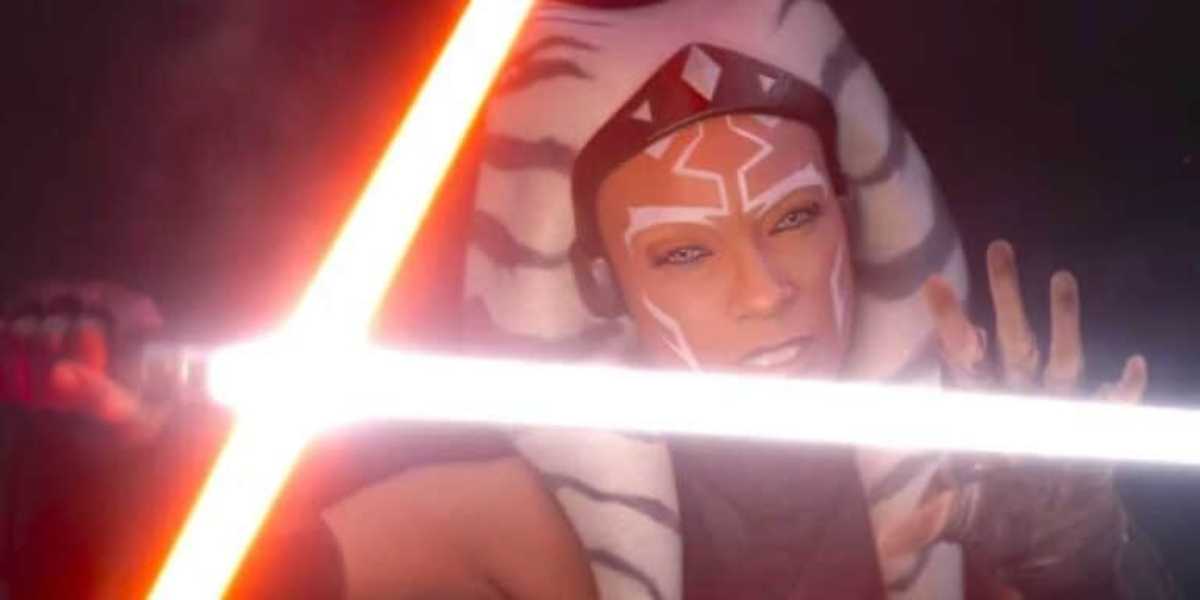
Ahsoka plays a unique role in the Star Wars universe. It continues stories that began in Star Wars: The Clone Wars and Star Wars Rebels, bringing those threads into live-action.
For many fans, that made the series feel like the next chapter in an ongoing story. Ahsoka Tano has become a central figure in that narrative, connecting different eras and characters.
Season 1 built toward something larger. It introduced key conflicts, brought familiar faces together, and pointed toward what seemed like a carefully planned continuation.
Streaming Built the Foundation
Disney+ has become the main stage for Star Wars storytelling. Shows like The Mandalorian and The Book of Boba Fett helped create a shared timeline where everything connects.
That strategy gives the franchise flexibility, but it also creates pressure. Every project needs to fit into the larger picture. When something changes, it can affect multiple storylines at once.
That’s exactly what’s happening here.
The Story That Changed Direction
Originally, another season of The Mandalorian was expected to help build toward Ahsoka’s next chapter. Jon Favreau had developed ideas for Season 4 that would have advanced the broader narrative.
Those episodes would have gone beyond standalone stories. They would have explored the growing threat posed by Grand Admiral Thrawn and expanded the overarching storyline connecting multiple shows.
But those plans didn’t move forward. Instead, Lucasfilm shifted to a theatrical project, and that meant the original Season 4 concept had to change.
Favreau has said that the scripts were built for a serialized format, with multiple characters and ongoing storylines. Turning that into a movie required a different approach, so much of that structure was reworked.

A Film Takes the Spotlight
That shift led to The Mandalorian & Grogu. Moving from a series to a film changes how the story works.
A movie has to reach a wider audience, including people who may not have seen every episode of the shows. Because of that, the story has been reshaped to stand on its own.
While it will still connect to the broader Star Wars universe, it won’t serve as the same kind of lead-in originally planned. Favreau has described the process as starting over in many ways, building a new version of the story that fits the format.
A Different Path for Season 2
With that bridge no longer in place, Ahsoka Season 2 will take a different route. The story will continue, but it may not follow the same path fans expected.
Instead of relying on another series to set things up, Season 2 may establish more of its direction on its own. That could change how the story unfolds and how it connects to the larger universe.
Where Star Wars Goes From Here
This moment shows how quickly plans can evolve within Star Wars. As Lucasfilm balances streaming shows and theatrical releases, the strategy continues to shift.
Ahsoka Season 2 is still expected to arrive in 2026, but it will do so without the same setup that was once planned. That doesn’t mean the story won’t work—it just means it will unfold differently.
For fans, the takeaway is simple: the story continues, but the path forward has changed.