Disney World’s nighttime skies might still sparkle—but not quite the way they used to. A shift in the way fireworks appear at Magic Kingdom’s beloved “Happily Ever After” show is igniting a quiet storm online, and it all traces back to one of the most polarizing names in American politics: Donald Trump.
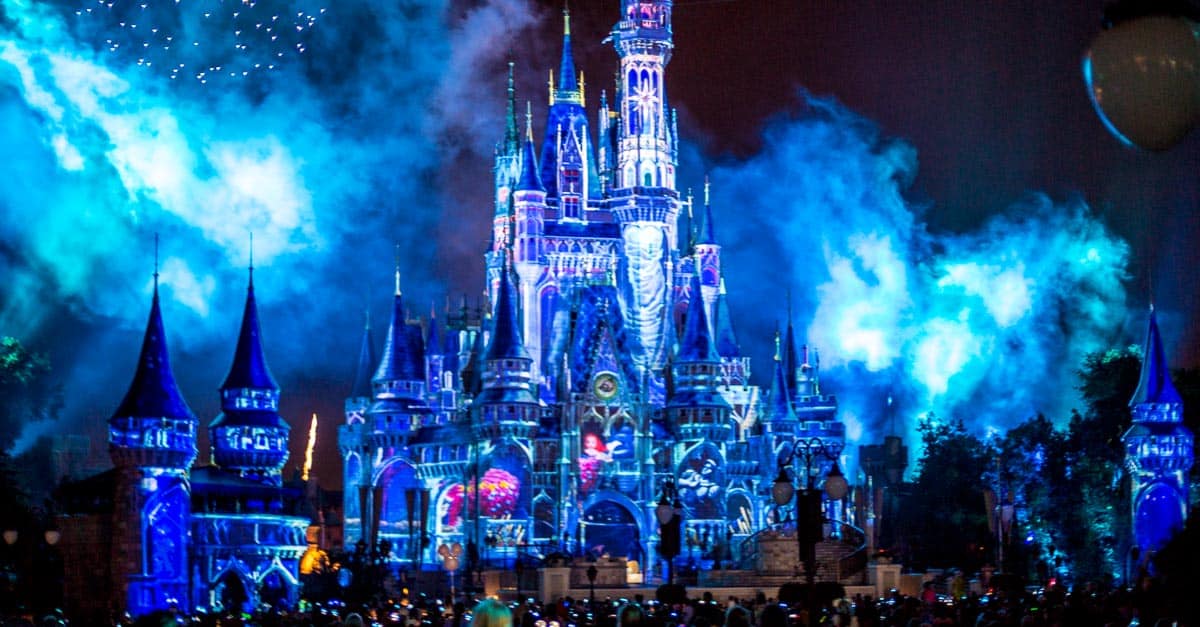
Recently enacted tariff policies—reinstated and intensified under Trump’s new trade stance—are putting heavy strain on U.S. importers who rely on Chinese goods. Among the industries impacted? Pyrotechnics. And yes, that includes Disney.
While many Americans associate tariffs with electronics, textiles, and auto parts, few realize the ripple effect on something far more magical: fireworks. With stricter taxes on Chinese imports and increased regulatory scrutiny, companies that rely on international firework manufacturers are being forced to pivot, including the Walt Disney Company.
A Behind-the-Scenes Look at Disney’s Fireworks Supply Chain
It might come as a surprise to many fans, but Disney doesn’t produce its own fireworks. They’ve historically purchased them from a variety of international suppliers, with a large portion reportedly coming from China—the global epicenter of commercial pyrotechnic manufacturing.
On the fan-favorite WDW Magic forum, one user explained, “They don’t make their own. They buy them from various sources. For Epcot, they have at least two pyro compounds where they store them—one at the park behind the China Pavilion, the other is out at Orlando Airport. Each week they drive out there and pick up enough for the next week’s performances.”
According to industry insiders, Walt Disney World is the second-largest purchaser of explosives in the United States, behind only the U.S. military. That staggering fact underlines just how integral fireworks are to the guest experience across Disney’s parks.
But what happens when the supply chain becomes unstable?
“That’s Not the Same Burst”: Guests Notice the Difference
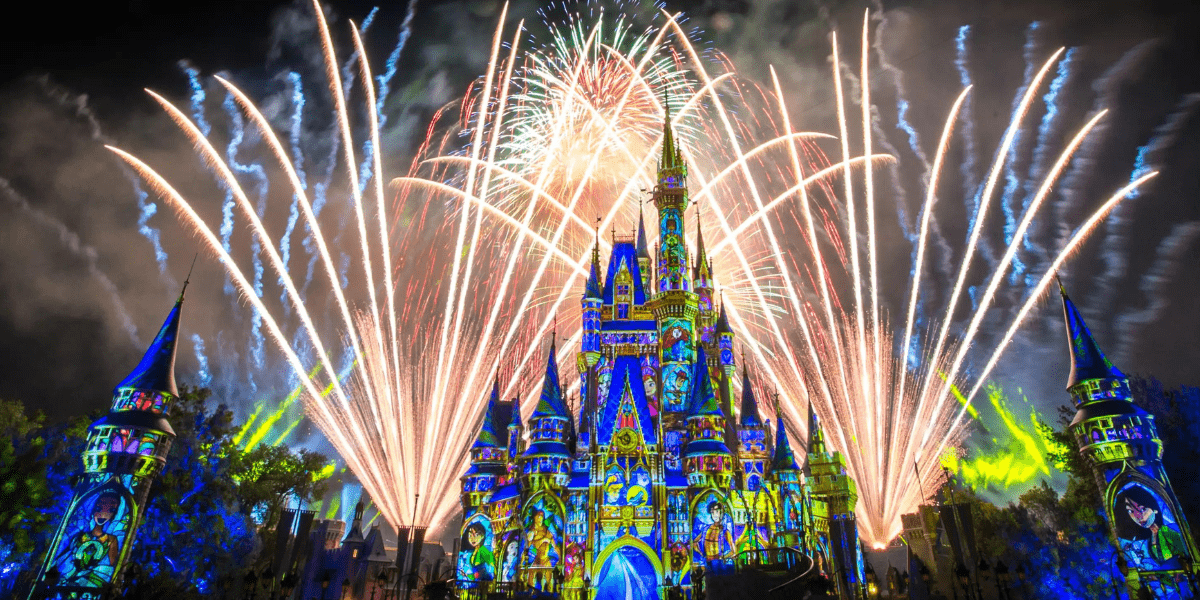
Recently on X (formerly Twitter), a guest named Belle (@FiBelleFi) posted a side-by-side comparison of fireworks at Magic Kingdom’s “Happily Ever After,” showing off a noticeably altered burst pattern in a portion of the show.
With the current tariff situation, I fear we will never get the original flower burst back. This is the replacement.
It was breathtaking and seemed to continue to burst forever.
There’s a number of HEA updates that have occurred. pic.twitter.com/IKgDrj3oCn
— Belle (@FiBelleFi) August 2, 2025
“With the current tariff situation, I fear we will never get the original flower burst back,” she wrote. “This is the replacement. It was breathtaking and seemed to continue to burst forever. There’s a number of HEA updates that have occurred.”
Her post has since gained traction in the Disney community, with many agreeing that something looks different—and not necessarily in a bad way, but definitely not the same. The change she references is the “flower burst” shell—a fan-favorite pyrotechnic pattern that flares outward in layers of color. The newer bursts appear more drawn out, possibly suggesting a different firing mechanism or formula, which aligns with a change in manufacturer.
Trump’s Tariff Policy: A Quick Breakdown
The new wave of tariff regulations stems from Donald Trump’s evolving trade policies. Although tariffs on fireworks existed during his first term, his renewed push for economic “decoupling” from China has meant sharper hikes and tighter scrutiny on imports deemed non-essential—including entertainment pyrotechnics.
Increased costs, delays in customs clearance, and uncertainty about future import stability have already prompted many large-scale entertainment companies to begin sourcing domestically—or from alternate countries, often at a higher price and lower availability.
Firework manufacturing is a niche and tightly regulated industry, and China has long been the leader. U.S.-based fireworks producers can’t easily match the volume or specialized artistry that companies in Liuyang and Hunan Province (home to many Disney suppliers) have perfected over decades.
Disney’s Next Move: Innovation or Concession?
Disney has not officially commented on the fireworks change, but the alterations in “Happily Ever After” are too apparent to ignore. Whether this is a permanent shift or a temporary adaptation remains to be seen.
Some fans speculate this could lead to more technological solutions, like expanded use of projection mapping, drones, or even laser-based effects—areas Disney has heavily invested in over the last few years. EPCOT’s “Luminous: The Symphony of Us,” for example, blends practical pyro with advanced light and sound choreography.
Still, nothing quite replicates the sound and sensory awe of a massive firework burst overhead.
The Guest Experience—and What’s Next
If there’s one thing Disney has proven time and again, it’s that magic will always adapt. But these behind-the-scenes issues are beginning to seep into the guest experience more visibly than before.
With soaring costs, international shipping complications, and political volatility affecting even the skies above Cinderella Castle, Disney fans may need to get used to a new kind of nighttime spectacular—one shaped just as much by global economics as by pixie dust.