

Voice actors occupy a unique space in the entertainment ecosystem, often achieving profound cultural impact while remaining relatively unknown outside specialized fan communities.

Their performances shape how international audiences experience global cinema, creating emotional connections through vocal performances that must capture all the nuance of the original while adapting it for different linguistic and cultural contexts.
Alexis Ortega exemplified this specialized artistry throughout his career, becoming the definitive Spanish-language voice of Tom Holland's Spider-Man in the Marvel Cinematic Universe and lending his talents to numerous other high-profile projects for Disney, Pixar, and various studios. News of Ortega's death at age 38 has devastated the Latin American dubbing community and saddened countless fans who grew up with his voice bringing their favorite characters to life.
Reports indicate Ortega passed away on January 24, 2026, with the news becoming public on January 26th. His family has not disclosed the cause of death, maintaining privacy during this difficult period while the entertainment community processes the loss of one of its most talented performers.
Alexis Ortega has sadly passed away at the age of 38.
The voice of Tadashi Hamada in Big Hero 6 and Spider-Man (Tom Holland) from Captain America: Civil War to Avengers: Infinity War in Latin America. pic.twitter.com/rlFyhVYNcj
— Cartoon Base (@TheCartoonBase) January 27, 2026
Professional Career and Major Roles
Born on August 31, 1987, in Mexico, Alexis Ortega launched his professional voice acting career in 2013 with a role that would immediately establish his presence in the industry: Tadashi Hamada in Disney's Big Hero 6. This debut performance demonstrated Ortega's capacity for conveying emotional warmth and intelligence, qualities that would define much of his subsequent work. Tadashi's role in Big Hero 6, though limited by the character's narrative arc, required an actor capable of creating an immediate emotional connection that would resonate throughout the remainder of the film. Ortega's performance accomplished this effectively, helping Spanish-speaking audiences connect with the sibling relationship at the story's heart.
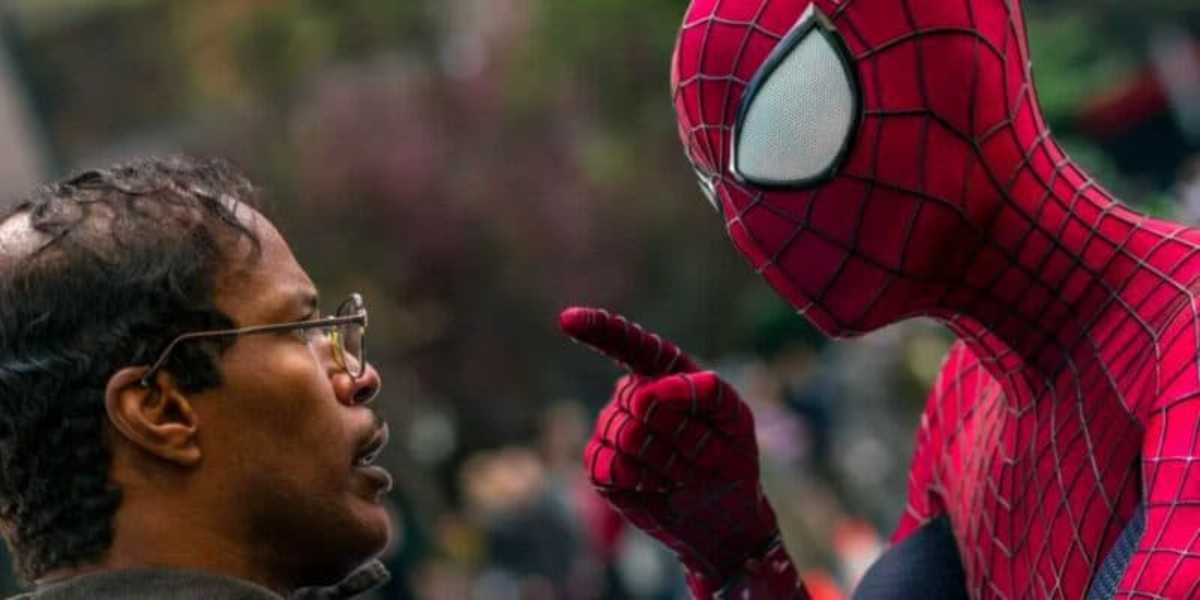
Ortega's career-defining work came through his portrayal of Peter Parker and Spider-Man in the Marvel Cinematic Universe's Spanish-language versions. Beginning with Captain America: Civil War, where Tom Holland's interpretation of Spider-Man debuted in the MCU, Ortega became the voice millions of Latin American Marvel fans would associate with the character. He continued this work through Spider-Man: Homecoming and Avengers: Infinity War, maintaining consistency in his vocal characterization while adapting to Peter Parker's evolution across multiple films.
Voice acting for established characters presents unique challenges. Actors must match their performances to existing visual elements including lip movements and physical acting choices made by the original performers. They need to capture the emotional intent and personality already established while adapting the dialogue to work naturally in a different language. Ortega's Spider-Man performances succeeded on all these levels, creating a version of the character that felt authentic to Spanish-speaking audiences rather than simply translated.
Beyond his Marvel work, Ortega contributed to multiple Disney and Pixar productions including Finding Dory and Cars 3. He also reprised his Big Hero 6 role in the subsequent television series, maintaining continuity for audiences who had connected with his interpretation of Tadashi. Each project demonstrated his versatility in adapting his vocal approach to different character types, tones, and narrative requirements.
Expansion Into Live-Action Performance
Ortega's talents extended beyond voice work into live-action television. His most prominent role came in Luis Miguel: The Series, where he portrayed a young Jorge “El Burro” Van Rankin. This performance introduced Ortega to broader audiences beyond the dubbing community and showcased his abilities as a screen actor. The role required different skills than voice work, including physical performance and on-camera presence, demonstrating Ortega's range as a performer.
His involvement in Mexican television productions alongside his voice work illustrated his commitment to developing a multifaceted career. While voice acting remained his primary focus and the source of his widest recognition, his live-action work proved he possessed the versatility to succeed across different performance mediums and formats.
More recently, Ortega embraced digital media opportunities, including participation in the Spanish-language version of MrBeast's YouTube channel. This work reflected his willingness to adapt to evolving entertainment platforms and reach audiences through channels that increasingly compete with traditional media. Despite his growing profile, Ortega maintained relatively limited social media presence, focusing professional energy on his craft rather than cultivating online celebrity.
The Craft of Dubbing
Ortega's career highlights the specialized skills required for high-quality dubbing work. Voice actors in this field face technical and artistic challenges that differ from both traditional voice acting and on-screen performance. They must synchronize their vocal delivery with pre-existing visual material, matching not just timing but emotional intensity and characterization already established by original performers.
In regions with strong dubbing traditions such as Latin America, voice actors play crucial roles in cultural adaptation of global entertainment. Effective dubbing transcends literal translation, requiring actors to convey dialogue and emotional content in ways that resonate with local audiences while remaining faithful to original intent. This balance demands both linguistic skill and deep understanding of cultural context.
Industry professionals have emphasized how performers like Ortega elevated Latin American dubbing standards. His Spider-Man work in particular became a reference point for how major franchise characters could be adapted for Spanish-speaking audiences without losing the qualities that made them compelling in original versions. His performances helped define these characters for an entire generation of viewers.
Industry and Fan Response
The announcement of Ortega's death generated immediate responses from dubbing industry organizations, fellow voice actors, and fans throughout Latin America and beyond. The ALDA Awards, which recognizes excellence in anime dubbing, released a statement offering condolences to Ortega's family, friends, and colleagues while noting that “He will always be remembered for his remarkable performances.”
Social media platforms filled with tributes featuring clips of Ortega's work, personal recollections from colleagues, and expressions of grief from fans who had grown up hearing his voice in beloved characters. The response illustrated the emotional connections audiences form with voice actors despite their relative anonymity compared to on-screen performers. For many fans, Ortega's voice was inseparable from their memories and experiences of the characters he portrayed.
The dubbing community's reaction reflected recognition of Ortega as both colleague and standard-bearer for their profession. Fellow voice actors shared memories of working with him and expressed appreciation for his contributions to elevating their field. The collective mourning extended beyond personal loss to acknowledgment of what the industry has lost in terms of talent, professionalism, and artistic achievement.
Cultural Impact and Legacy
Ortega's work carried particular significance within Latin American entertainment contexts. Voice actors in the region often achieve cultural impact disproportionate to their public profiles, with their performances shaping how entire generations experience global cinema and television. Ortega's Spider-Man work exemplifies this phenomenon. His voice became the definitive Spanish-language interpretation of Tom Holland's Peter Parker for millions of viewers, influencing how they understood and connected with the character.
This cultural mediation role places voice actors at the intersection of global and local entertainment cultures. They serve as bridges, making international stories accessible and emotionally resonant for local audiences while maintaining the qualities that made those stories successful originally. Ortega excelled at this bridging function, creating performances that honored source material while speaking authentically to Spanish-speaking audiences.
At 38, Ortega had established himself as one of Latin American voice acting's leading talents while potentially having decades of work ahead of him. His passing represents not only loss of accomplished artistry but also loss of future contributions that might have further elevated his field and expanded his already significant body of work.
Unconfirmed Circumstances
As of this writing, Ortega's family has not released information regarding the cause of his death. Media outlets and entertainment community members have generally respected this privacy, focusing tribute efforts on celebrating Ortega's life and career rather than speculating about circumstances surrounding his passing.
The absence of official information has not diminished the genuine grief expressed by those who knew Ortega personally or admired his work professionally. The focus has remained appropriately on his contributions to entertainment and the positive impact his performances had on audiences rather than on unanswered questions about his death.
Remembering the Performances
Ortega's legacy resides primarily in the characters he voiced and the performances he created. Every screening of Captain America: Civil War, Spider-Man: Homecoming, or Big Hero 6 in Spanish carries his vocal work, introducing new audiences to his talent while allowing existing fans to revisit performances they cherish. His work achieved a form of permanence that ensures his artistry will continue reaching audiences long into the future.
The emotional resonance of his performances stems partly from their quality and partly from the intimate nature of voice acting itself. When audiences hear characters speak in their native language, those voices become integral to how they remember and understand those characters. For Spanish-speaking Marvel fans, Ortega's voice is permanently linked to their experience of Spider-Man's MCU journey, from Peter's nervous excitement in Civil War through his maturation in Homecoming to the heartbreaking events of Infinity War.
Continuing Influence
Though Ortega's career was cut short, his influence on Latin American voice acting will persist. His performances established benchmarks for quality and emotional authenticity in dubbing work. Future voice actors will continue studying his interpretations as examples of how to adapt major franchise characters effectively for Spanish-speaking audiences.
The characters he voiced will continue introducing new generations to his talent as these films and series maintain cultural relevance. Parents who grew up with Ortega's Spider-Man will share these films with their children, passing along not just the stories but also the specific vocal performances that made those stories meaningful to them.
The entertainment industry has lost a gifted performer whose work demonstrated the artistry and cultural importance of voice acting. His legacy serves as reminder of how these often-underappreciated artists shape global entertainment experiences for diverse audiences worldwide.
Share your thoughts on Alexis Ortega's contributions to voice acting and which of his performances meant the most to you. How did his work shape your experience of these characters?