
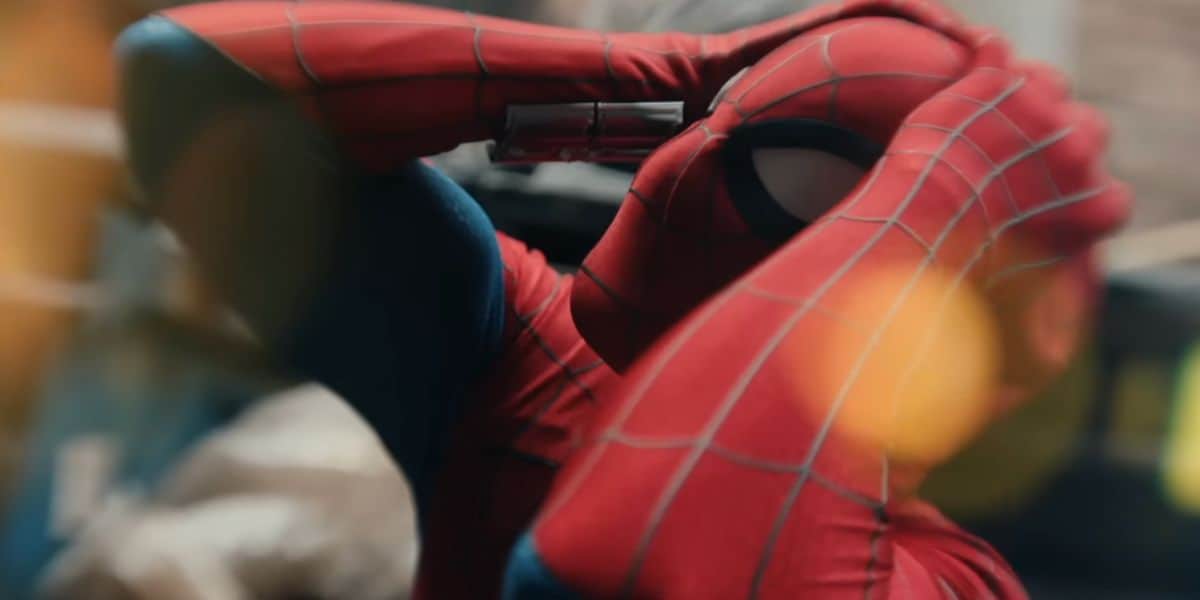
Marvel fans have spent years trying to figure out why Tom Holland’s Spider-Man always felt so different from the versions played by Tobey Maguire and Andrew Garfield. The answer may have finally arrived, and it could reshape how audiences view the MCU timeline in the future.
As Marvel prepares for the next phase of the Multiverse Saga, new comments from longtime MCU director Joe Russo are giving fans a much clearer picture of what the studio wanted Peter Parker to represent from the very beginning.
And honestly, it explains a lot.
Looking back across Holland’s run as Spider-Man, Marvel clearly approached the character from a completely different emotional angle than previous live-action franchises. That choice may now become even more important as Peter Parker heads toward Spider-Man: Brand New Day (2026) and potentially Avengers: Secret Wars (2027).
Marvel Never Wanted Another Traditional Spider-Man Story
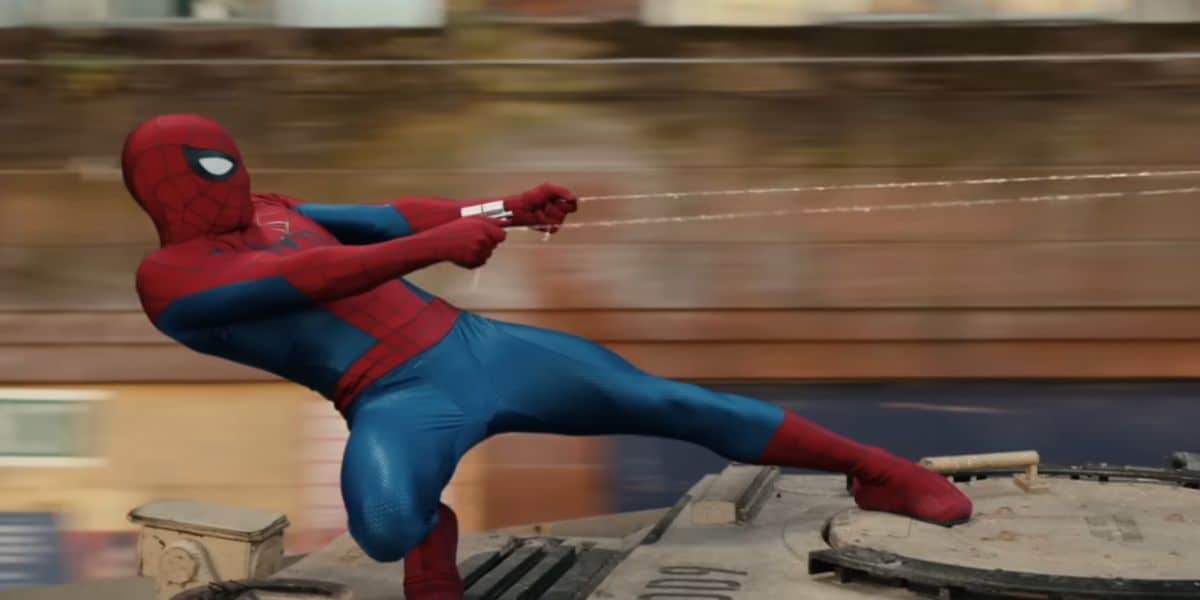
When Tom Holland first appeared in Captain America: Civil War (2016), audiences immediately noticed Marvel skipped past many of the familiar Spider-Man story beats fans had already seen multiple times before.
Peter Parker was already operating as Spider-Man in Queens when Tony Stark showed up and recruited him during the Sokovia Accords conflict. Marvel avoided a lengthy setup and instead dropped Peter directly into the larger MCU.
That creative decision changed everything about Holland’s version of the character.
Instead of introducing Peter through heavy tragedy and emotional darkness, Marvel leaned into his enthusiasm, awkward confidence, and excitement about becoming an Avenger. Peter felt younger, more hopeful, and far more eager to prove himself than earlier live-action Spider-Men.
Throughout Spider-Man: Homecoming (2017), Avengers: Infinity War (2018), Avengers: Endgame (2019), and Spider-Man: Far From Home (2019), Peter constantly chased approval from Tony Stark while trying to balance superhero responsibilities with everyday life.
That mentor relationship became one of the defining parts of Holland’s entire MCU story.

Joe Russo Finally Explains the Difference
During a recent interview with CBR, Joe Russo finally addressed why Marvel chose such a different emotional direction for Holland’s Spider-Man.
According to Russo, the filmmakers intentionally avoided giving Peter Parker the same darker emotional burden that shaped earlier live-action versions of the hero. Russo explained that making Holland’s Spider-Man carry that level of guilt would have created a much more intense character from the beginning.
Marvel wanted something else entirely.
The studio envisioned a Peter Parker who still understood responsibility but approached heroism with optimism and energy rather than emotional heaviness. Looking back now, that creative philosophy shaped nearly every appearance Holland made in the MCU.
Even during massive world-ending events, Holland’s Spider-Man still carried a sense of innocence that made him fit naturally beside characters like Iron Man, Doctor Strange, and the Avengers.
That tone helped set him apart from Maguire and Garfield while still preserving the core spirit of Spider-Man.
Peter Parker’s Real Emotional Turning Point Came Later
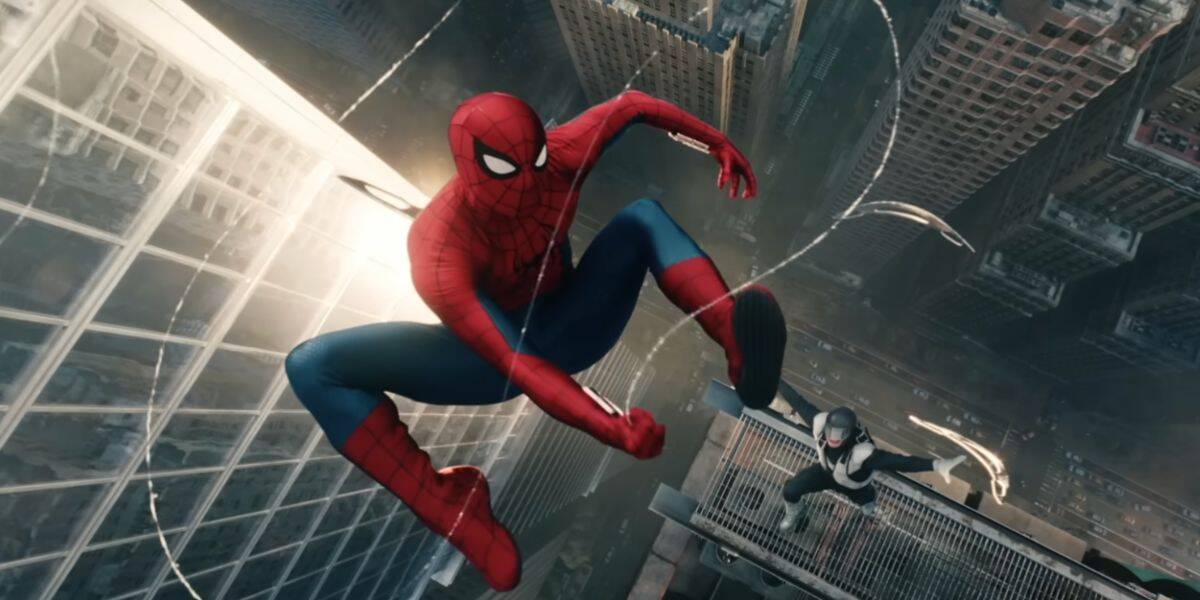
Marvel may have avoided darker themes early on, but the studio eventually gave Holland’s Spider-Man a much heavier emotional storyline in Spider-Man: No Way Home (2021).
That movie changed Peter Parker completely.
For the first time, audiences watched Holland’s Spider-Man struggle with overwhelming grief, rage, loneliness, and sacrifice all at once. The film pushed Peter into emotional territory his earlier MCU appearances deliberately avoided.
It also helped mature the character significantly.
Rather than simply repeating older Spider-Man stories scene-for-scene, Marvel used Tobey Maguire and Andrew Garfield’s returning Spider-Men as emotional guides for Holland’s Peter. Their presence helped illustrate how different versions of Spider-Man handle pain, responsibility, and loss.
That emotional evolution gave No Way Home far more weight than many earlier MCU Spider-Man films.
In many ways, it became the movie that finally transformed Holland’s Peter into the version of Spider-Man that longtime fans recognized most.
Why Marvel’s Decision Matters Now
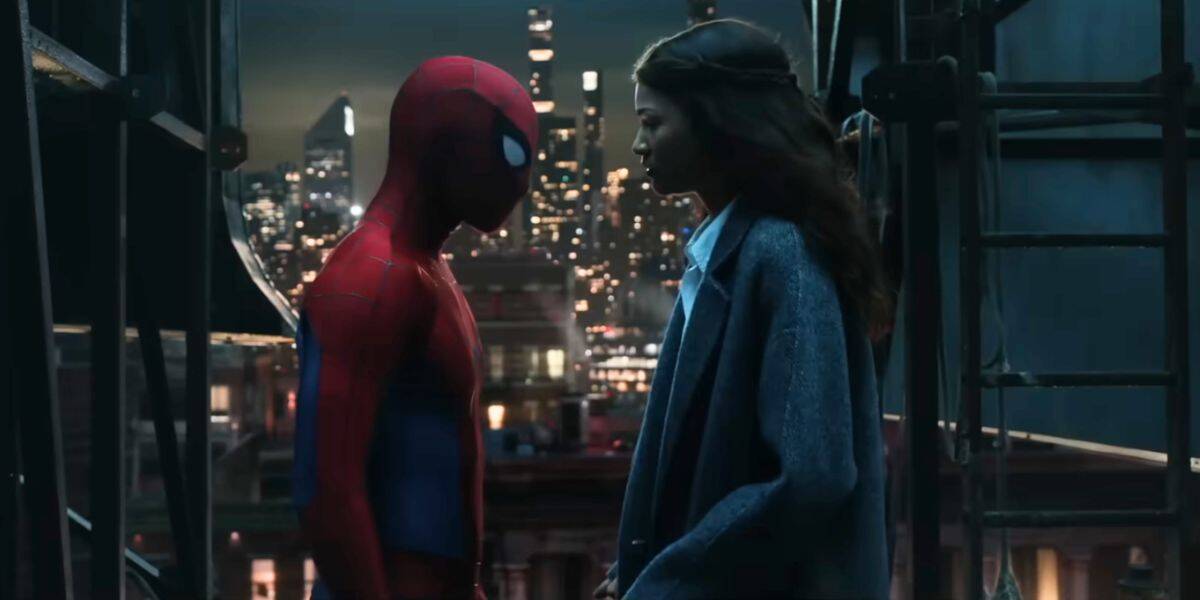
Marvel’s latest clarification helps explain why Holland’s Spider-Man arc unfolded so differently compared to previous adaptations.
Instead of beginning with emotional devastation, this Peter Parker started as a hopeful teenager inspired by the Avengers and desperate to prove himself. His darker emotional journey developed much later over several movies rather than defining him immediately.
That slower progression allowed Marvel to create a version of Spider-Man that felt fresh while still staying true to the character’s heart.
Now, with Spider-Man: Brand New Day preparing to continue Peter’s story and Avengers: Secret Wars expected to bring major Multiverse storylines together, Marvel appears to be positioning Holland’s Spider-Man for an even larger role moving forward.
And after hearing Russo explain the studio’s thinking, fans can finally understand why this version of Peter Parker always felt so unique compared to the Spider-Men that came before him.