

Bright sunshine, moderate temperatures, and clear skies typically define Southern California vacations. But when an intense Pacific storm system rolls across the Southland, the region’s arid landscape can turn into a logistical challenge within hours. This week, the Happiest Place on Earth found itself directly in the crosshairs of severe weather. A sudden storm swept through Orange County, overwhelming local drainage systems and transforming iconic Disneyland walkways into waterlogged streams.

Regional storm coverage and meteorological totals reported by KTLA showed rainfall surging across the Anaheim basin, triggering localized flood watches and travel warnings. While cast members and operational crews scrambled to manage runoff, the scene inside Disneyland Park took an amphibious turn. Eyewitness videos shared across social media by theme park account @DisneyScoopGuy revealed ankle-deep standing water across Frontierland, sprawling puddles throughout Star Wars: Galaxy’s Edge, and submerged staging areas at the resort’s primary parking shuttle hubs.
Frontierland Pathways Submerged by Rainwater
Among the hardest-hit sectors of Disneyland Park was Frontierland. The land, which normally channels the dusty, sun-bleached look of the 19th-century American frontier along the Rivers of America, found its walkways submerged under sheets of rushing stormwater.
Footage from @DisneyScoopGuy captured parkgoers draped in rain ponchos gingerly navigating flooded pedestrian corridors near the Golden Horseshoe and the approach to Big Thunder Mountain Railroad. In several low-lying areas, clogged storm grates caused runoff to back up, creating standing pools several inches deep. Because Frontierland sits adjacent to the park's central waterways, the sheer volume of water created the visual illusion of a river spilling across the guest pathways. Guests looking for a dry path were forced to hop along planter edges and benches or simply surrender to soaked shoes.
Batuu Becomes an Ocean Outpost in Galaxy’s Edge
Just north of the frontier, Star Wars: Galaxy’s Edge faced a different, highly aesthetic problem. The 14-acre land is engineered to depict Black Spire Outpost on the remote planet of Batuu. To sell the illusion of an ancient, weather-beaten spaceport, Imagineers utilized distressed pavement, uneven aggregate, and carved planetary craters.
Under fair skies, this level of detail offers peerless thematic immersion. Under inches of torrential rain, however, those same architectural depressions acted as natural collection basins. Videos posted online showed massive puddles spreading across central courtyards, particularly near the entrance to Millennium Falcon: Smugglers Run and the corridors of the marketplace. Visitors scurrying between shelter in Oga’s Cantina and the First Order sector found themselves splashing through inches of water, their umbrellas dodging spaceport spires in an outpost that looked more like an ocean world than a desert planet.
Shuttle Stations and Tram Plazas Under Water
The weather-related obstacles were not limited to the interior of the theme park. For many visitors, the challenges began before they even crossed the turnstiles into the Main Entrance Esplanade.
Disneyland's primary transportation hub—the ground-level loading bays serving the multi-story Mickey & Friends and Pixar Pals parking garages—took on significant water accumulation. In clips documented by @DisneyScoopGuy, large portions of the open-air tram queues and boarding zones were visibly flooded. Guests exiting the escalators and elevators encountered broad pools of standing water along the pedestrian boarding lines.
Boarding open-air tram cars amidst deep puddles created immediate bottlenecks, particularly for families maneuvering strollers and wheelchairs. Cast members worked to direct guests around the deepest-pooling areas, but operating multi-car tram vehicles through standing stormwater required reduced transit speeds and extra safety precautions, thereby extending wait times during peak morning arrivals.
Why Disneyland Struggles with Heavy Downpours
The sight of flooded streets inside a Disney park often catches casual tourists off guard, but the issue comes down to civil engineering and regional climate design.
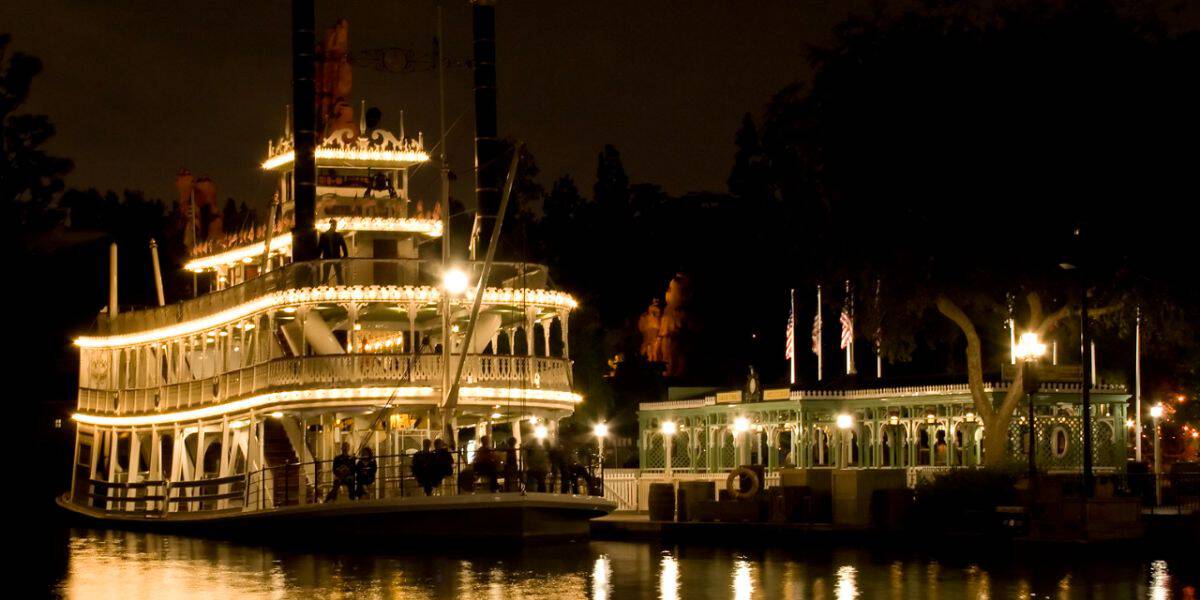
Unlike Walt Disney World in Orlando, which was built upon wetlands and planned with extensive retention ponds, interconnected canals, and massive pump systems to handle daily tropical downpours, Disneyland was constructed in 1955 within a semi-arid, Mediterranean climate. Anaheim averages less than 15 inches of rain annually. Consequently, municipal and theme park drainage infrastructure is primarily calibrated for light-to-moderate showers. When a stalled storm drops heavy, concentrated rainfall within a narrow multi-hour window, the volume rapidly outpaces drain capacity.
As the weather front pushed eastward out of Orange County, custodial teams and maintenance crews cleared backed-up drainage grates and pumped out low-lying plazas. By the time skies began to clear over Anaheim, normal foot traffic had resumed along Frontierland’s boardwalks and Batuu’s spaceport paths—giving visitors a rare, drenched memory of Disneyland under water.