
Incident Overview and Details
Carlos Martin Gonzalez, a 26-year-old Mexican tourist, traveled to Central Florida seeking solace after the recent loss of his mother. He arrived intending to spend time with his brother, Oscar, who has been residing in the United States for eight months. On July 7, Gonzalez’s vacation took a troubling turn after a routine traffic stop by the Florida Highway Patrol (FHP). The officers pulled him over for having tinted windows and Mexican license plates on an unregistered vehicle.

Despite Oscar's effort to provide the vehicle's registration, the document was not in their names, leading to Carlos's arrest for operating an unregistered vehicle. Following the arrest, Carlos spent three days at Orange County Jail before being transferred to Alligator Alcatraz, a name reflecting the grim reputation of this notorious immigration detention center located in South Florida. Oscar’s legal situation remains ambiguous, as there were no recorded reasons for his detention.
Impact on the Gonzalez Family
The emotional distress caused by this incident has weighed heavily on the Gonzalez family. Martin Gonzalez, their father, voiced grave concerns over his sons' conditions in Alligator Alcatraz. Describing the environment in the detention center, he revealed, “They report feeling scared and desperate, trapped in a place devoid of natural light.” The constant artificial lighting exacerbates their disorientation, leaving them unsure whether it is day or night. This scenario emphasizes the potential psychological impacts of extended isolation on detainees.
Hoy recibí a Don Martín González, padre de dos jóvenes mexicanos detenidos en Orlando y trasladados a la prisión conocida como #AlligatorAlcatraz.
Su hijo Carlos se encontraba de vacaciones con visa de turista vigente tras el fallecimiento de su madre; Alejandro está casado con… pic.twitter.com/pbwxBew1aB
— Juan Sabines Guerrero +🤚🏽 (@Juansabinesg) July 21, 2025
The Mexican consulate in Orlando has intervened to provide support for the family. Consul Juan Sabines Guerrero has hired an immigration attorney to help facilitate Carlos and Oscar's release. Guerrero has also reiterated widespread warnings to other Mexican tourists regarding the importance of maintaining proper documentation when traveling to Central Florida.
Tourism Implications for Central Florida
The implications of Carlos's arrest resonate deeply within the tourism sector of Central Florida, which thrives on international visitors. In 2024, approximately 6.5 million tourists came to the region from abroad, with Mexico ranking as the third-largest source of visitors, following the United Kingdom and Canada.
Nonetheless, the current socio-political climate and incidents like Carlos's detention may contribute to a decline in Mexican tourism.
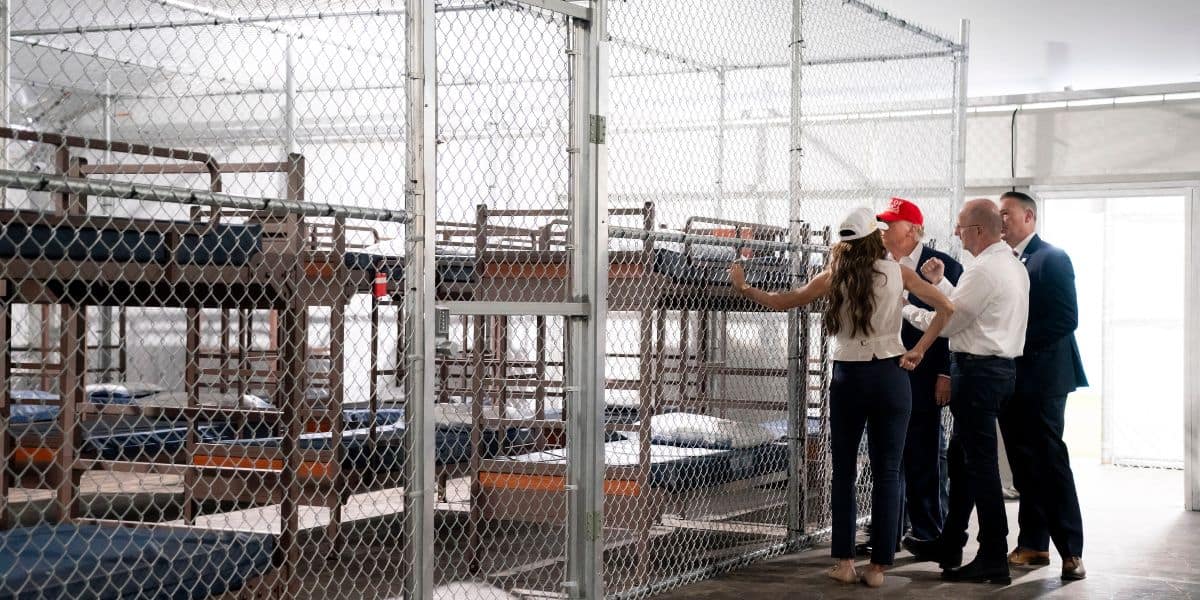
The consular advice to Mexican tourists is clear: be cautious and fully prepared with legal documentation. Consul Guerrero added, “We don’t want to say, ‘Don’t come to Florida. We love Disney,’ but there are warnings that visitors should heed.” This advisory aims to protect the rights and safety of those traveling from Mexico, and it is a stark reminder of the heightened risks associated with travel amid expanding immigration scrutiny.
Government and Legal Response
In light of the detainment incidents in Alligator Alcatraz, the Mexican government has responded emphatically. President Claudia Sheinbaum is advocating for the rights of her citizens, notably highlighting that 14 Mexican nationals are currently in the detention facility. She has initiated a government investigation into potential civil rights violations during the arrest and subsequent detainment processes.

As part of its commitment to the welfare of its citizens, the Mexican government has emphasized the importance of monitoring the conditions within Alligator Alcatraz. This situation has spurred broader discussions about the treatment of international visitors and the legal protections afforded them in the U.S. The dialogue around tourists' rights is crucial, especially as the regions hosting large international visitors, such as Central Florida, face increased scrutiny for their immigration policies.
Overall, the incident involving Carlos Martin Gonzalez serves as a critical reminder of the complexities and potential risks associated with travel for Mexican tourists. With governmental support and an ongoing dialogue about tourists' rights, there is hope for a fair resolution and the assurance of proper treatment for international visitors.