The Acolyte took a leap backward in time—and a leap forward for Star Wars storytelling. Set in the rarely depicted High Republic era, Leslye Headland’s series stripped away the sheen of Jedi perfection to uncover how the shadows of the Sith slowly took root, rewriting parts of the franchise’s moral architecture in the process.

While it carved out a fresh narrative space, the show immediately became a flashpoint among fans. Much like the discourse surrounding Rian Johnson’s The Last Jedi (2018), The Acolyte ignited passionate arguments over canon, representation, and creative direction in the Star Wars universe.
Its swift cancellation after just one season came as a jolt to fans, especially with multiple cliffhangers left hanging. Though reports blamed low viewership, some questioned whether the show was sacrificed in response to relentless online criticism—criticism often aimed at both the cast and the creative team. Key players included Amandla Stenberg (Osha/Mae Aniseya), Lee Jung-jae (Jedi Master Sol), Manny Jacinto (Qimir/The Stranger), and Jodie Turner-Smith (Mother Aniseya).
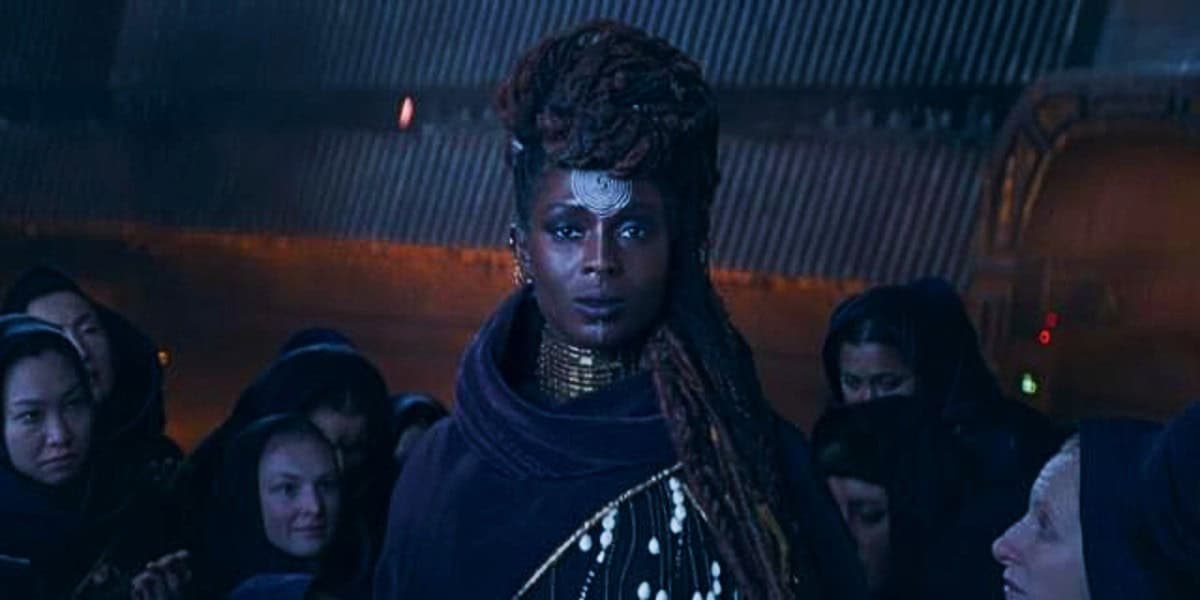
From its inception, The Acolyte promoted a diverse, inclusive take on the galaxy far, far away. With a queer woman at the helm and a cast that mirrored that inclusivity, the show stood apart from its predecessors. It received applause from many fans and vitriol from corners of the internet that derided it as “woke” for exploring modern-day issues.
Asked to weigh in on the show’s end, Disney Entertainment co-chairman Alan Bergman cited the costs: “…we’re looking at a number of additional series that are in development. We’ll see what we decide to do. As I said earlier, they have to be great, and when we’re in the position where we think we have what we want, we’re going to move forward.”
Yet audience data complicates that explanation. Parrot Analytics reported that The Acolyte outpaced Obi-Wan Kenobi, The Book of Boba Fett, and Ahsoka in demand. For some fans, that reinforced the belief that financial concerns—rather than engagement—doomed a second season.

Plans for future episodes were already hinting at deeper stories. Chief among them: Qimir’s elusive past. “The Acolyte Visual Guide” reveals Qimir has deep criminal connections, including arms deals in Hutt Space and ties to galactic power brokers.
The show’s finale teased a major player. A shadowy figure appearing on Qimir’s oceanic homeworld was confirmed as Darth Plagueis. The planet, home to “an intelligent reptilian species that lives far from the islands,” is widely believed to be Bal’demnic—a location from Star Wars Legends where Plagueis famously killed Darth Tenebrous. The world is also rich in cortosis, a rare metal that makes Qimir’s armor lightsaber-resistant.

The guide also reveals that Qimir sold exotic goods, including “a rare nori-inkal from Boothi IV” containing “an oily serum that revitalizes aged skin and eliminates wrinkles”—raising questions about whether he has discovered a way to extend his life. His official age? “Unknown.”
Although his actions align with Sith philosophies, the guide notes: “a pretender to [Sith] lineage… Whether he is the true heir to the Sith is a mystery no one will survive to solve.” Strikingly, his helmet serves no tactical use—it’s merely “cosmetic,” suggesting he wields the Force exclusively in combat.

Jacinto recently revealed that the show almost pushed past the franchise’s usual limits. During a fan convention, he described a cut scene:
“Star Wars has always been PG, but you want to find some brutal aspects of these fights… There was one moment, I think, where I just take one Jedi and keep slamming his head on to a rock, because we wanted to show how brutal this guy could be, without any remorse,” Jacinto told the convention, via Screen Rant.
As Marvel has already proven with titles like 2024's Deadpool & Wolverine and Daredevil: Born Again, a darker, more intense tone can still resonate. Could Star Wars be next?

Despite its short run, The Acolyte introduced new dimensions to the galaxy’s mythology. The emotional friction between Osha and Qimir gave the show a rare psychological depth. The depiction of the Jedi Council painted a more complicated portrait of those usually seen as heroes. And Darth Plagueis's debut recontextualized the future of the franchise’s timeline.
Though the series has now concluded, it provided a valuable counterpoint during a quiet period for Star Wars television. With Ahsoka Season 2 on the horizon, attention now turns to how the franchise will evolve.

On the big screen, The Mandalorian and Grogu is aiming for a 2026 debut. It’s positioned to bridge the gap between The Mandalorian Season 3 and Dave Filoni’s larger crossover event, said to be inspired by the “Heir to the Empire” storyline.
Further out, Star Wars: Starfighter from Shawn Levy is set for May 2027. Meanwhile, Simon Kinberg is said to be developing a new trilogy, though it’s still unclear whether it connects to Sharmeen Obaid-Chinoy’s New Jedi Order project with Daisy Ridley or stands alone.
Now that The Acolyte has come to a close, the road ahead feels wide open—and full of potential detours.
Where do you think Star Wars should go from here? Sound off in the comments.