The future of Star Wars on the big screen may not depend solely on what's happening on screen.
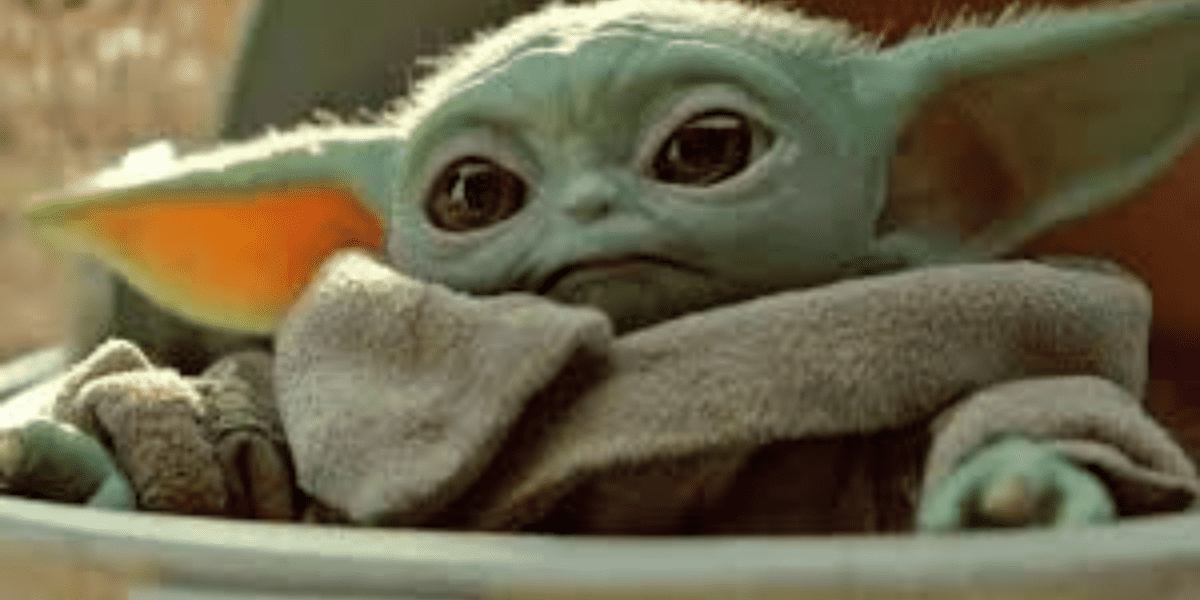
As The Mandalorian and Grogu continues its theatrical run, Lucasfilm has rolled out an unconventional addition designed to encourage repeat viewings: a commentary-driven presentation that allows audiences to watch the film alongside insights from director Jon Favreau.
The move comes at a pivotal moment for the franchise. Released in May 2026, The Mandalorian and Grogu represented Star Wars‘ long-awaited return to theaters after a seven-year absence. The last theatrical installment, Star Wars: Episode IX – The Rise of Skywalker, arrived in 2019, after which Lucasfilm redirected much of its attention toward Disney+.
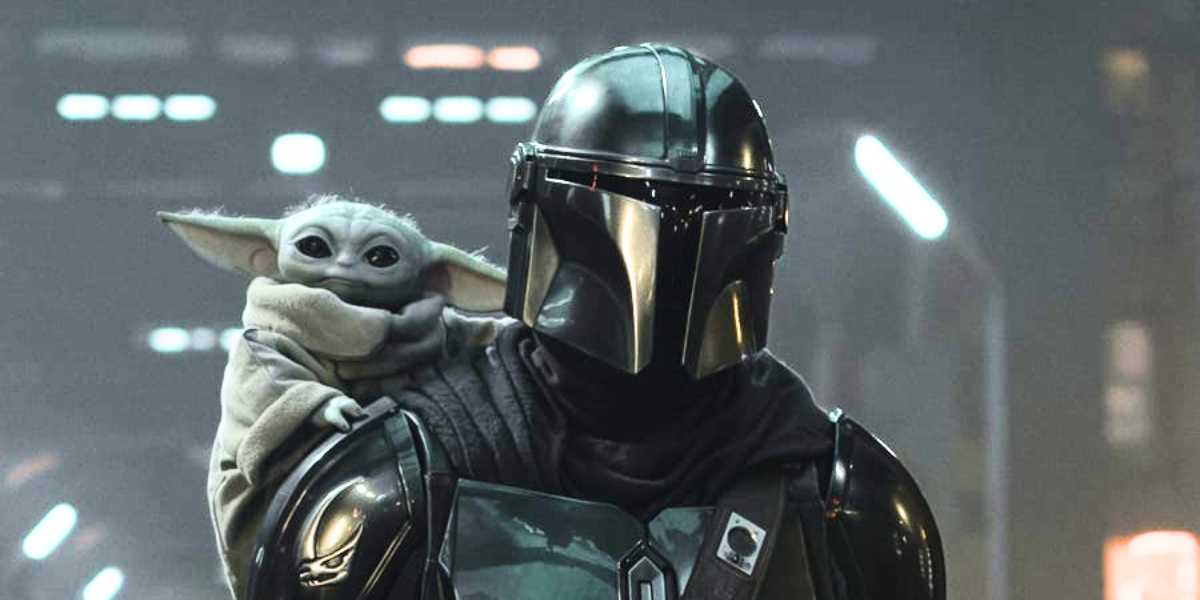
That strategy produced one of the company's biggest successes in The Mandalorian. The streaming series transformed Din Djarin and Grogu into household names, helping launch an interconnected slate of Star Wars television projects and reshaping the franchise's storytelling model.
The popularity of those characters eventually inspired Lucasfilm to move them from streaming to cinemas. What originally began as plans for a fourth season of The Mandalorian evolved into a feature film intended to bridge the gap between television and theatrical storytelling.
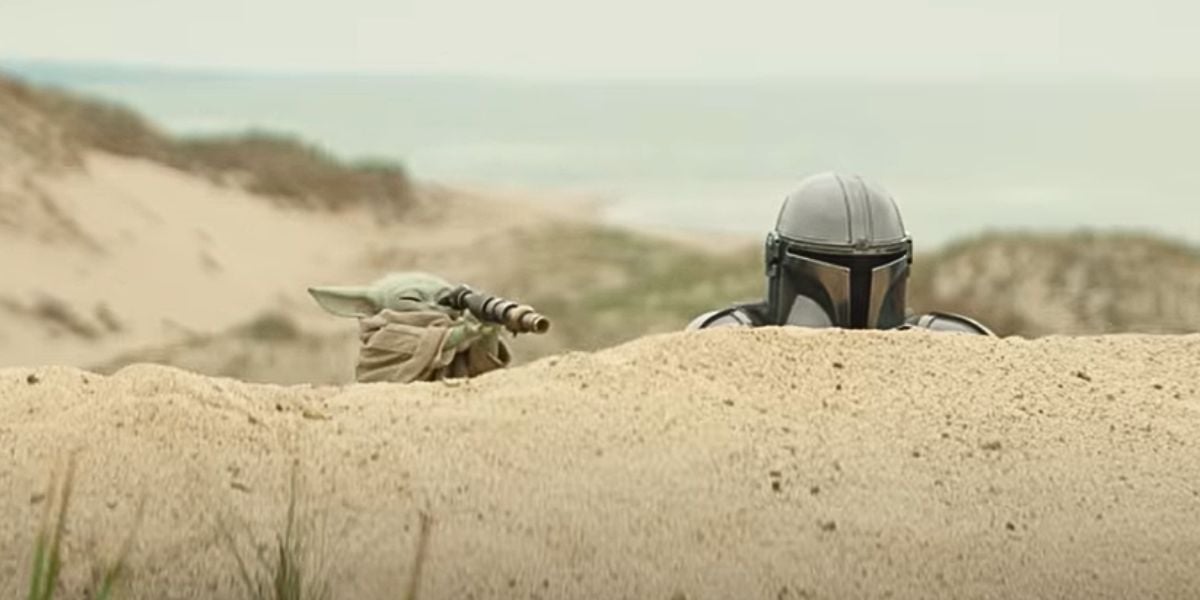
According to previous comments from Favreau, earlier iterations of the project were more heavily connected to larger narratives unfolding across Lucasfilm's Disney+ productions, including stories involving Grand Admiral Thrawn. Over time, however, the creative team adjusted the film's structure in an effort to make it accessible for moviegoers who had never watched the series.
That balancing act has remained part of the conversation surrounding the film since its release.
While The Mandalorian and Grogu opened with strong awareness among Star Wars fans, reports from industry observers highlighted a substantial drop in attendance during its second weekend. Those figures prompted debate about whether Lucasfilm's streaming-era characters could generate the same theatrical excitement as previous big-screen Star Wars heroes.
Now the studio is experimenting with a different approach.
Working with TheaterEars, Lucasfilm has launched a special “Director's Experience” version of the movie. The presentation overlays Favreau's commentary throughout the film, effectively turning a theatrical screening into an extended behind-the-scenes feature.
The concept is notable because commentary tracks have traditionally been reserved for Blu-ray collections and digital releases. By introducing one during the theatrical window, Lucasfilm is offering fans additional content without altering the movie itself.
There are no new scenes, alternate endings, or extended sequences. Instead, the appeal lies in the information Favreau shares while viewers watch the story unfold. According to details highlighted by The Holo Files, the director reveals numerous production techniques that helped shape the film.

Among the most interesting examples is the use of practical miniatures for portions of the Razor Crest sequences. Favreau also explains how Dave Filoni became heavily involved in supervising puppet performances while working as a second-unit director.
Another behind-the-scenes detail concerns the Imperial Warlord gathering. To achieve visible breath effects on camera, the production team chilled the set before filming. The commentary also paints a clearer picture of the movie's creative DNA.
Favreau points to a wide range of influences, including Apocalypse Now (1979), Blade Runner (1982), Top Gun (1986), the Indiana Jones franchise, the James Bond films, and Close Encounters of the Third Kind (1977), all of which informed various sequences throughout the production.
Other notable discoveries include:
- The film's opening was intentionally structured like a classic Indiana Jones or James Bond adventure, dropping viewers into an active mission from the outset.
- The interior design of the AT-AT was inspired by “Star Wars Jedi: Fallen Order.”
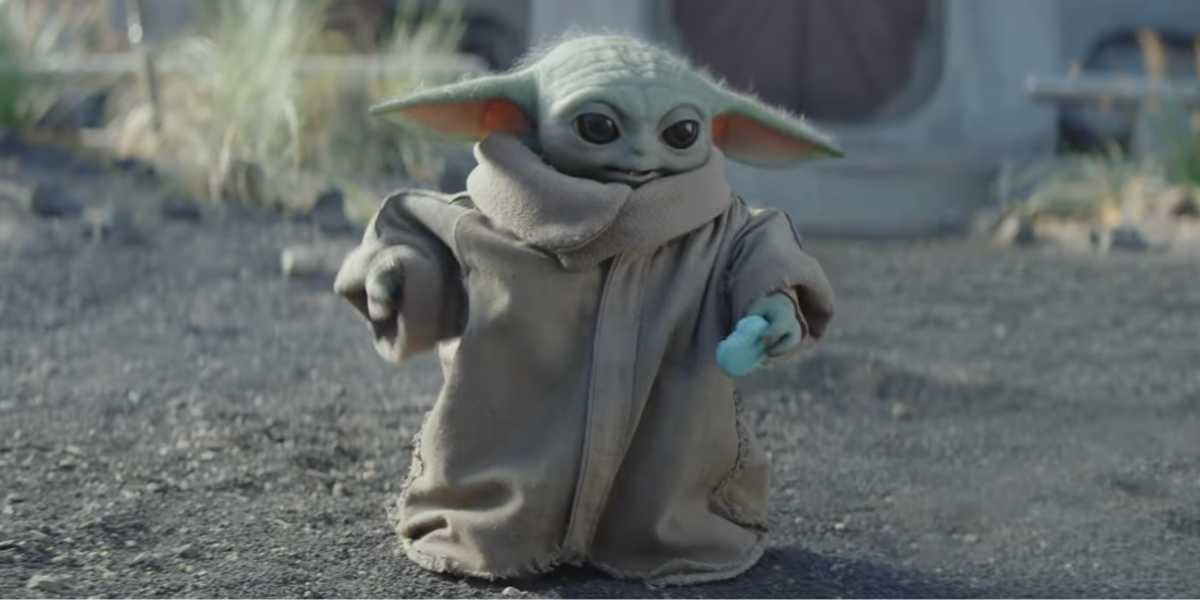
- Grogu's snack during the gladiator sequence was based on popcorn sold at Star Wars: Galaxy's Edge.
- The red laser barriers in the arena were conceived as a tribute to the “Duel of the Fates” sequence from Star Wars: Episode I – The Phantom Menace.
- J.J. Abrams visited the set and offered creative suggestions involving the Anzellans.
- A sequence inside Hugo Durant's food truck ultimately became a CGI creation after practical production methods proved difficult to execute.
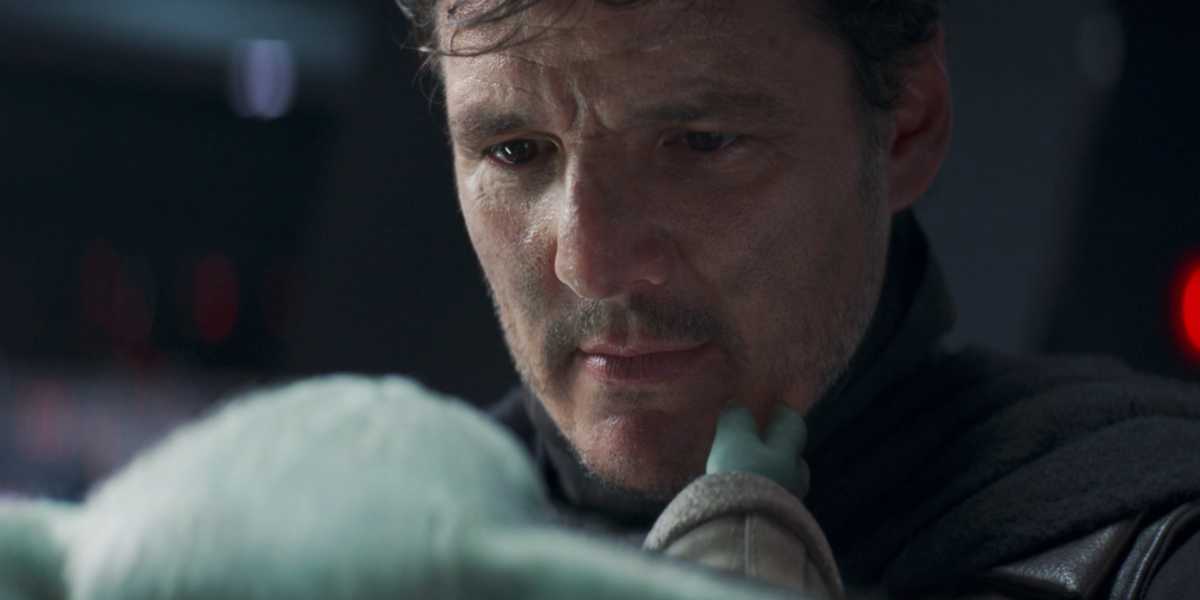
The commentary largely avoids discussions about upcoming Star Wars projects, focusing instead on filmmaking techniques, visual effects work, practical craftsmanship, and the many influences behind the production.
That emphasis may appeal most to longtime fans interested in how the movie was assembled rather than where the franchise is heading next.
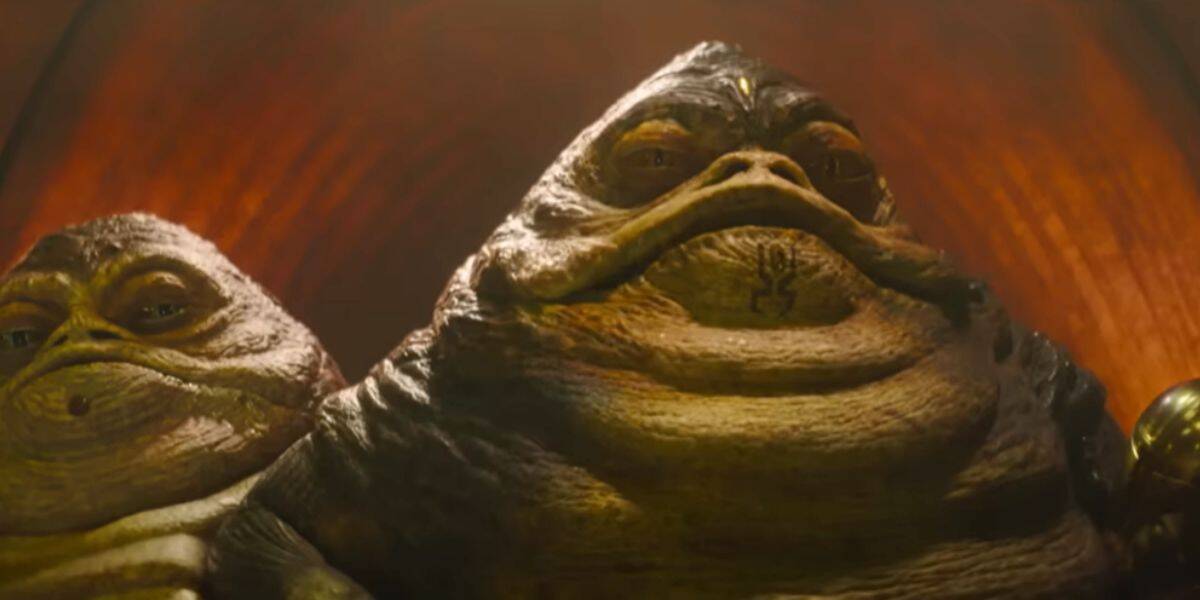
The Mandalorian and Grogu continues the story established in The Mandalorian Season 3, following Din Djarin and Grogu as they undertake a mission for the New Republic amid growing threats from scattered Imperial factions. The cast includes Pedro Pascal, Sigourney Weaver as Admiral Ward, and Jeremy Allen White as Rotta the Hutt.

Whether the “Director's Experience” ultimately impacts box-office performance remains an open question. Yet its arrival highlights how much importance Lucasfilm has placed on this film. As the studio evaluates the future of Star Wars in theaters, every experiment surrounding The Mandalorian and Grogu is likely to be watched closely.
For audiences, the result is a choice rarely offered during a blockbuster's theatrical run: seeing the film as originally released or hearing the filmmaker explain exactly how it came together scene by scene.
What do you think of this new Star Wars movie? Let us know in the comments down below!