For decades, Orlando’s theme park landscape has extended far beyond castles and caped superheroes. Parks like SeaWorld Orlando, Busch Gardens Tampa Bay, and Discovery Cove have carved out a unique identity rooted in marine life encounters, high-thrill coasters, and immersive animal experiences. Families often describe these parks as a quieter, more intimate counterpart to the larger resort giants dominating Central Florida tourism.
SeaWorld, in particular, has become synonymous with aquatic storytelling and record-breaking roller coasters, blending conservation messaging with pulse-pounding attractions. From seasonal festivals to animal presentations and after-hours events, the parks have continued evolving in an effort to remain competitive within one of the world’s most aggressive tourism markets.
Yet even in destinations fueled by perpetual growth and expansion, subtle shifts in guest behavior can ripple outward, changing the trajectory of entire resort portfolios.

Fans Have Noticed Subtle Changes as the Competitive Orlando Market Intensifies
Over the past year, theme park enthusiasts have quietly observed fluctuations across the Central Florida vacation scene. Crowd levels have appeared inconsistent, international travel patterns have shifted, and weather disruptions have complicated peak visitation periods — factors that often influence planning decisions for families and annual passholders alike.
At the same time, the broader tourism landscape has continued transforming. Massive investments across the region, including new lands, hotels, and immersive experiences, have increased competition for guest attention and vacation budgets. The expectation of constant innovation has only heightened the pressure for every park operator to deliver something fresh.
For returning visitors, that evolving landscape can feel both exciting and uncertain — a mix of anticipation for new experiences and concern about how favorite parks will adapt.

Recent Industry Trends Suggest Guests Are Spending Differently Even When They Visit
Another notable trend emerging across theme parks is the shift in guest spending behavior. While attendance patterns may fluctuate, in-park spending has often remained resilient as visitors prioritize premium experiences, specialty dining, and exclusive merchandise.
This dynamic creates a complex reality for operators: fewer guests may enter the gates, yet those who do visit could be spending more during their stay. Balancing those two factors has become one of the biggest challenges facing theme park leadership teams as they attempt to maintain growth in a volatile tourism environment.
Executives across the industry have increasingly emphasized the importance of new attractions, entertainment offerings, and seasonal events as key drivers for maintaining relevance and encouraging repeat visitation.

A New Financial Report Reveals Attendance and Revenue Declines Across SeaWorld’s Parent Company
That broader context became more significant this week when United Parks & Resorts, the parent company of SeaWorld Orlando, released its fiscal 2025 financial results — and the numbers revealed a concerning trend.
CEO Marc Swanson acknowledged the company’s performance fell short of expectations, citing uneven consumer conditions, declining international tourism, and volatile weather during peak visitation periods as contributing factors.
Attendance dropped by 1.8%, totaling approximately 21.2 million visitors across the company’s portfolio of 13 parks, which includes SeaWorld Orlando, Aquatica, Discovery Cove, and Busch Gardens Tampa Bay. Financially, the company reported total annual revenue of $1.7 billion, a 3.6% decrease from the previous fiscal year, while net income declined 26% to $168.4 million.
Despite those setbacks, the report highlighted a brighter development: per-capita in-park spending increased by 1%, including a record-setting 2.1% increase during the fourth quarter. According to Swanson, guests continue responding positively to offerings once inside the parks, even as broader attendance trends fluctuate.
The company also emphasized plans to address cost management challenges while investing heavily in future growth initiatives designed to attract new visitors.
Social Media Reactions Show Fans Expressing Concern but Remaining Optimistic
The report quickly sparked discussion among theme park fans across social platforms like X and Reddit, where enthusiasts debated what the numbers might mean for the future of SeaWorld’s parks.
Some fans expressed worry that declining attendance could lead to fewer seasonal offerings or delayed attraction investments, while others pointed out that the increase in guest spending suggests strong satisfaction among visitors who do attend. A recurring sentiment across discussions was cautious optimism — recognition of the challenges paired with excitement for upcoming experiences.
Many commenters also highlighted the increasingly crowded Orlando market, noting that new developments across competing parks inevitably influence guest distribution rather than signaling a lack of interest in marine-themed destinations.
New Attractions and Strategic Investments Aim to Reignite Interest in the Years Ahead
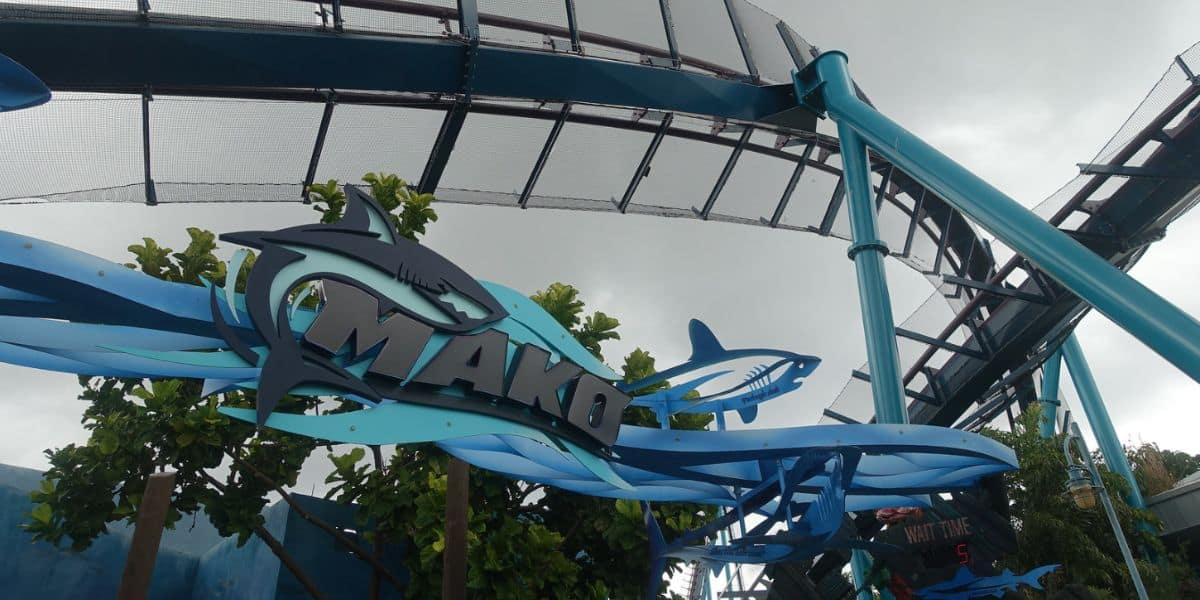
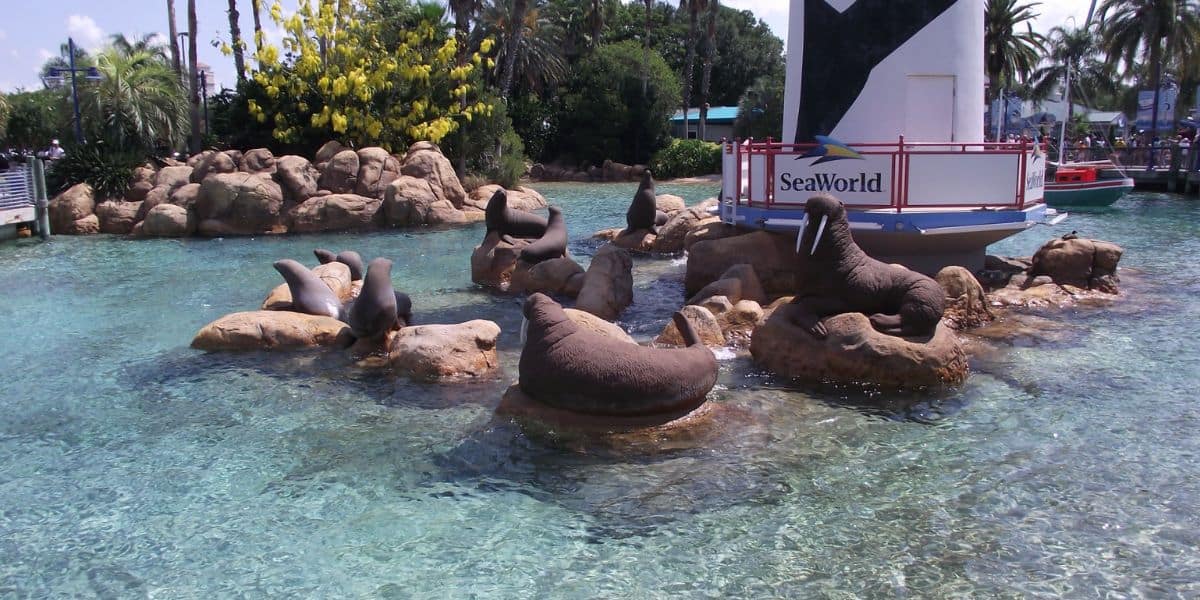
Looking forward, United Parks & Resorts is banking on new experiences to help reverse the downward trend. SeaWorld Orlando is preparing to debut SEAQuest: Legends of the Deep, an undersea dark ride scheduled for 2026, while Busch Gardens Tampa Bay plans to introduce Lion & Hyena Ridge, an animal habitat featuring young lions and hyenas.
Swanson also indicated additional enhancements at SeaWorld Orlando remain unannounced, alongside encouraging booking trends for Discovery Cove experiences. Expanded concert lineups and updated marketing strategies are expected to play a central role in driving attendance growth.
Interestingly, the company views the broader expansion of Central Florida tourism — including major new theme park investments — as a positive force rather than a threat, reinforcing the idea that a thriving destination ultimately benefits all operators.
For travelers planning future Orlando vacations, the developments raise an important question: will new attractions and refreshed experiences be enough to shift momentum?
As the region continues evolving, fans are left watching closely — hopeful that the parks they love will adapt while preserving the unique marine magic that has defined them for decades. What do you think these changes mean for the future of SeaWorld Orlando and Busch Gardens Tampa Bay?