
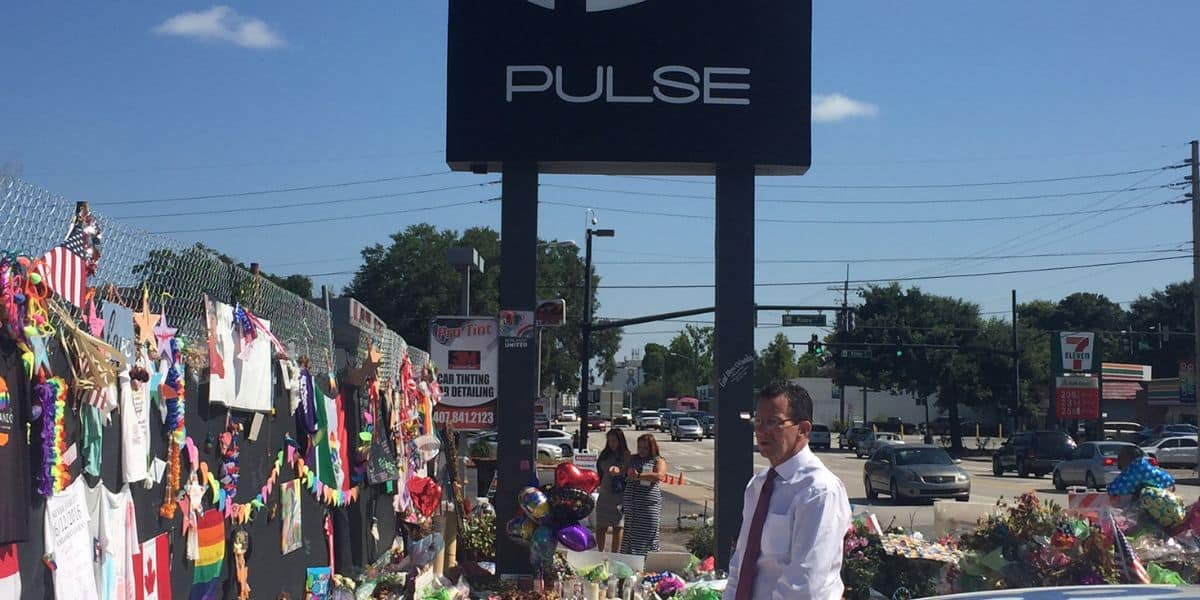
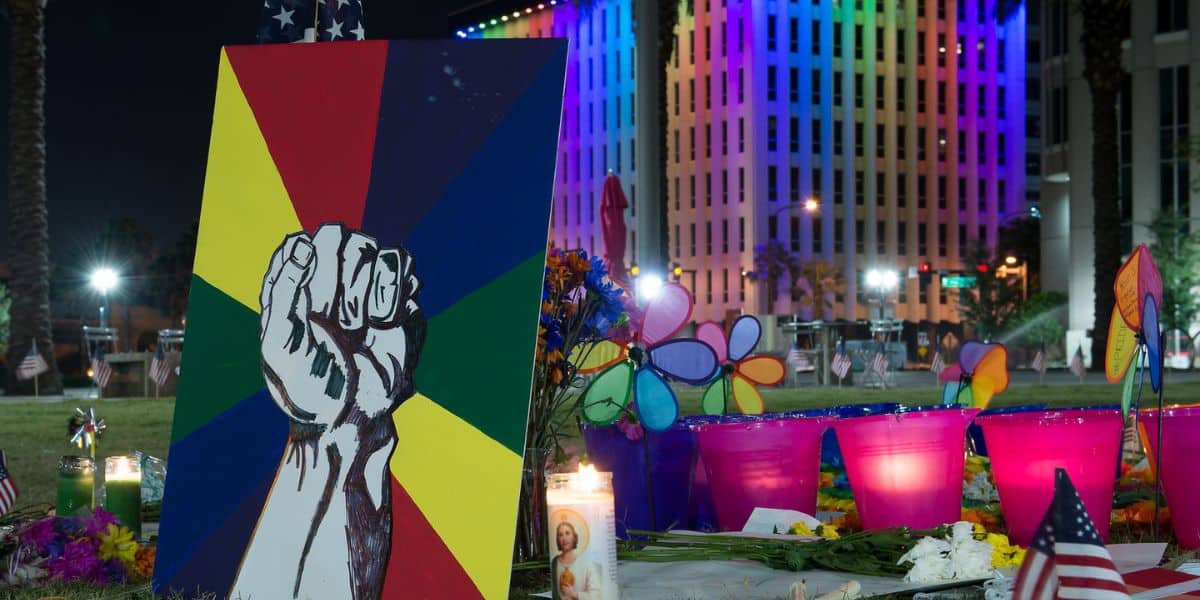
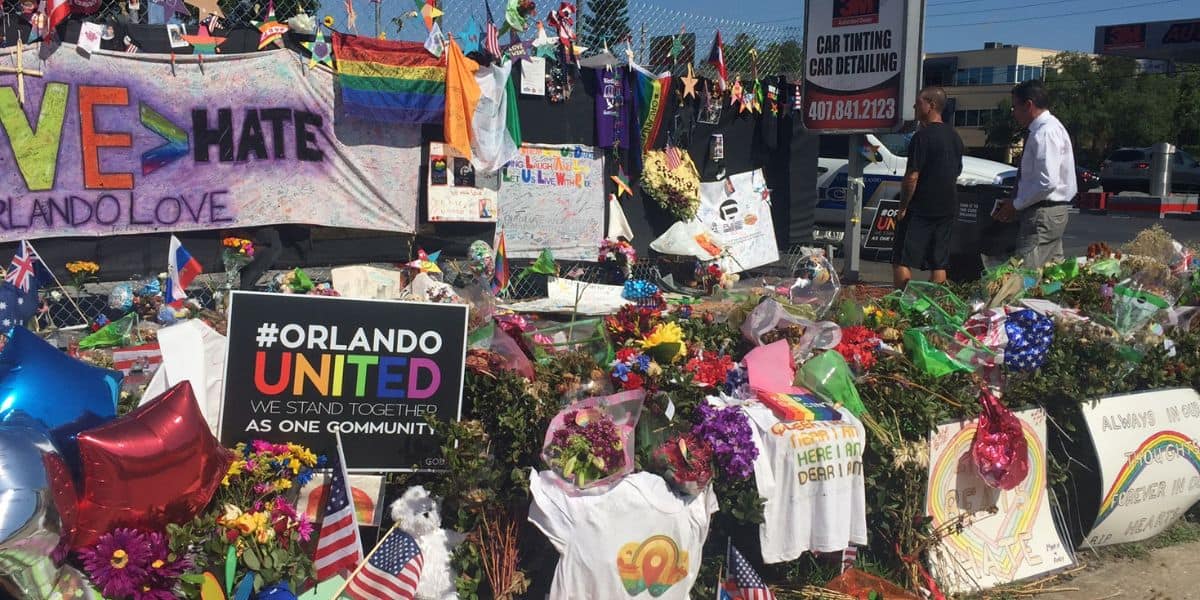
As Central Florida marks the solemn 10-year anniversary of the Pulse nightclub tragedy this June 2026, the community continues to honor the 49 lives lost in one of the darkest nights in American history.
Over the past decade, however, public understanding of how that horrific event unfolded has shifted drastically. Federal court revelations ultimately proved that the gunman, Omar Mateen, did not originally target the LGBTQ+ nightclub. Instead, his primary intended target was Walt Disney World.
Disney Springs: The True Intended Target
During the 2018 federal trial of Mateen’s widow, prosecutors pulled back the curtain on a chilling alternate timeline. Forensics revealed that Mateen had spent days scouting high-traffic, open-air entertainment districts, specifically focusing on Disney Springs. Because Disney Springs lacked the gated, ticketed turnstile security checkpoints of the main theme parks at the time, he viewed it as a vulnerable crowd hub.
The gunman's plot was particularly insidious: he had previously purchased a baby stroller and a plastic doll from a local Walmart, intending to conceal his assault rifle underneath the doll to wheel his weaponry past the outdoor perimeter unnoticed. He arrived on the night of Saturday, June 11, 2016, fully prepared to execute this strike, but he was stopped by a single, powerful variable: visible law enforcement.
The Critical Hours: A Timeline of Indecision
The fateful digital and physical trail began at 10:00 p.m. on June 11, 2016, when Mateen was captured on surveillance cameras wandering the crowded plazas of Disney Springs, even purchasing a shirt at the House of Blues store. Over the next hour, his phone logged manual searches for “disney springs” and “Disney World.”
Still, the heavy presence of uniformed Orange County Sheriff's deputies ultimately forced him to abandon his original plan. At 12:22 a.m., while sitting in his car near EPCOT, Mateen pivoted, typing “downtown Orlando nightclubs” into his browser before leaving Disney property five minutes later.
Driving northeast on Interstate 4, he arrived outside his first alternative target, an upscale downtown venue named EVE Orlando, just before 12:55 a.m.m. Once again deterred by a highly visible front-door security detail and nearby police patrols, Mateen turned back to his phone at 1:01 a.m., executing another search that led him directly to Pulse.
He arrived at the nightclub at 1:12 a.m., briefly driving away due to mid-route indecision before returning at 1:41 a.m. to enter the building completely unarmed. For thirteen chilling minutes, Mateen walked the packed dance floor, casing the interior layout and evaluating its vulnerabilities.
Satisfied that he had finally found a soft target with minimal resistance, he exited the club at 1:54 a.m., moved his vehicle to an adjacent lot to arm himself with his semi-automatic rifle, and returned to the front entrance at 2:02 a.m. to unleash the horrific massacre.
The Reality of Security Displacement
This harrowing sequence of events highlights a critical phenomenon known in modern security circles as security displacement. When a motivated threat encounters a “hard target”—an environment with robust, highly visible defense mechanisms—they rarely abandon their violent intent entirely. Instead, they shift focus down a path of least resistance until they discover a vulnerable “soft target.”
“The target of that terrorist attack was not the Pulse nightclub. The target of the attack was Disney,” Assistant U.S. Attorney Sara Sweeney flatly stated during the federal trial's closing arguments.
The explicit presence of uniformed law enforcement patrolling the plazas at Disney Springs, alongside strict door security at downtown venues like EVE, successfully shielded thousands of unsuspecting tourists and holiday families that night.
While the unhealed wound at Pulse remains a devastating tragedy a decade later, the true timeline serves as an undeniable reminder that proactive, visible policing remains one of the most effective shields against unthinkable violence.