

Located along the picturesque Mission Bay waterfront, SeaWorld San Diego has long been a popular destination for marine life exhibits, thrilling rides, and educational programs. Since its opening in 1964, the park has captivated millions of visitors with dolphin shows, orca presentations, and interactive animal experiences designed to promote conservation. However, recent controversies have put the park’s future in a precarious position.
Years of Troubles For SeaWorld
SeaWorld has been under increasing scrutiny in recent years, primarily due to its captivity of marine animals.
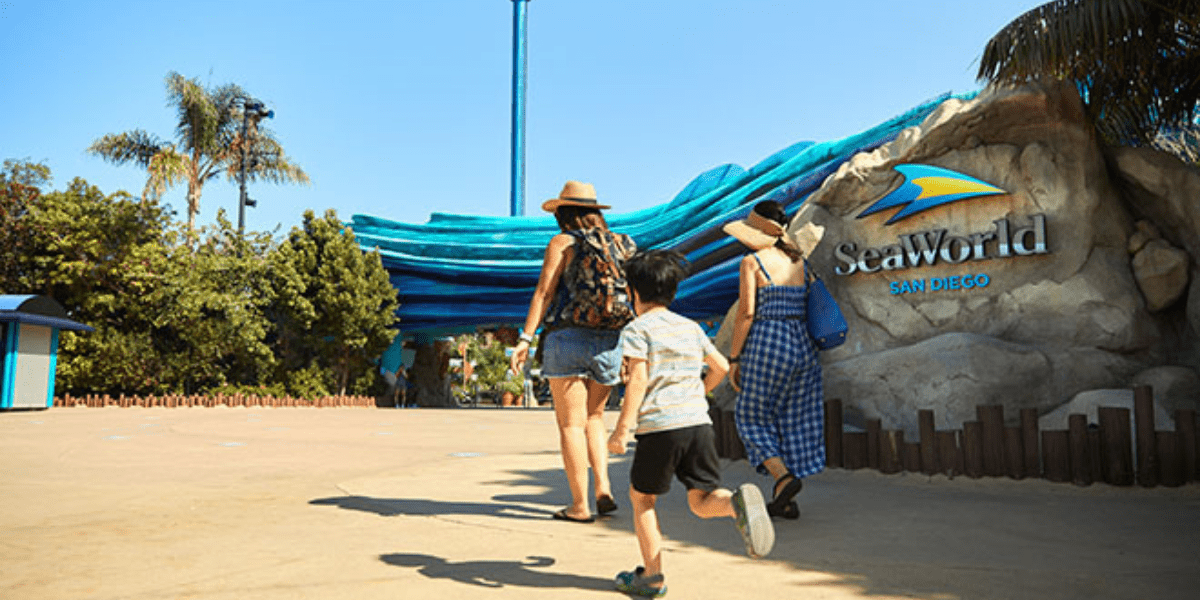
The 2013 documentary Blackfish brought global attention to the ethical implications of holding orcas in captivity. Following a decline in attendance and growing public demand for reform, SeaWorld ended its orca breeding program and shifted focus to animal rescue and rehabilitation efforts as well as thrill rides. Despite these changes, the controversy surrounding the park remains.
In December 2024, SeaWorld San Diego settled a lawsuit with the city over claims of unpaid rent, totaling over $12.2 million. Its parent company, United Parks & Resorts, also lost a lawsuit filed by the owners of Sesame Street, alleging millions in unpaid licensing fees. These legal battles are only a part of the ongoing challenges faced by the park.
SeaWorld Faces Major Changes
Adding to the tension, SeaWorld San Diego is now dealing with a lawsuit filed by two environmental groups. San Diego Coastkeeper and the Coastal Environmental Rights Foundation (CERF) accuse the park of violating the federal Clean Water Act by illegally releasing pollutants into Mission Bay during fireworks shows. The groups claim that SeaWorld's activities have left behind harmful materials, including paper, plastic, and metal, as well as high levels of pollutants like aluminum and copper.

The lawsuit alleges that these pollutants damage marine life and discourage public use of the bay. The complaint cites specific instances where fireworks debris, including wires and ignitors, was found on the sea floor, adding fuel to the fire.
How Could This Impact SeaWorld?
Unlike Walt Disney World Resort, SeaWorld San Diego doesn't host nightly fireworks shows year-round. However, it does hold regular fireworks displays throughout the summer and winter months. The environmental groups are seeking a court order to halt these shows until SeaWorld can prove it can prevent further pollution.
“They would have to demonstrate that they can, at a minimum, do these shows in a way that does not pollute the bay,” said Phillip Musegaas, executive director of San Diego Coastkeeper (via The San Diego Union-Tribune). “And that’s going to be hard for them, based on their history of not complying with this fireworks permit and just causing huge amounts of plastic pollution in the bay.”

In October, CERF conducted a dive inspection, uncovering a sea floor littered with fireworks debris. “What we’re seeing is a lot of plastic debris mixed in with the seaweed along the shoreline,” Musegaas noted, highlighting the environmental concerns at play.
Fireworks Linked To Bird Deaths in the Area
This lawsuit is the latest in a string of criticisms regarding SeaWorld's fireworks displays. Last summer, the San Diego Audubon Society condemned the park for its pyrotechnic impacts on local bird populations. The group reported a spike in bird deaths, particularly among the elegant tern species, which is classified as “near threatened” by the International Union for Conservation of Nature.
The Audubon Society urged the California Coastal Commission to revoke SeaWorld's fireworks permit during the bird breeding season, following the discovery of dead birds in the aftermath of a Fourth of July fireworks show. “It seems like the adult terns and chicks got scared off the island,” said Andrew Meyer, director of conservation for the Audubon Society. “And when chicks get scared, not being good flyers, they run in groups and probably pushed many eggs into the water.”

In a letter to the California Coastal Commission, the group presented images of the deceased birds and alarming evidence of panicked flocks during the fireworks show. The Audubon Society's concerns further fueled the debate over SeaWorld's pyrotechnic displays.
“There are so many reasons to not have fireworks shows,” Meyer added. “They’re being replaced by drone shows anyway that have less water quality, PTSD, and wildlife impacts.”
Interestingly, SeaWorld's indoor Abu Dhabi location has already moved away from fireworks, opting for a nightly drone show instead. The shift represents a potential path forward for SeaWorld San Diego, especially as it grapples with the fallout from ongoing legal and environmental challenges.
Do you think SeaWorld San Diego should continue its fireworks displays?