Six Flags might be looking to downsize after the big merger, thanks to another park closure and a fresh class-action lawsuit.

Six Flags Closes Another Park: For Good?
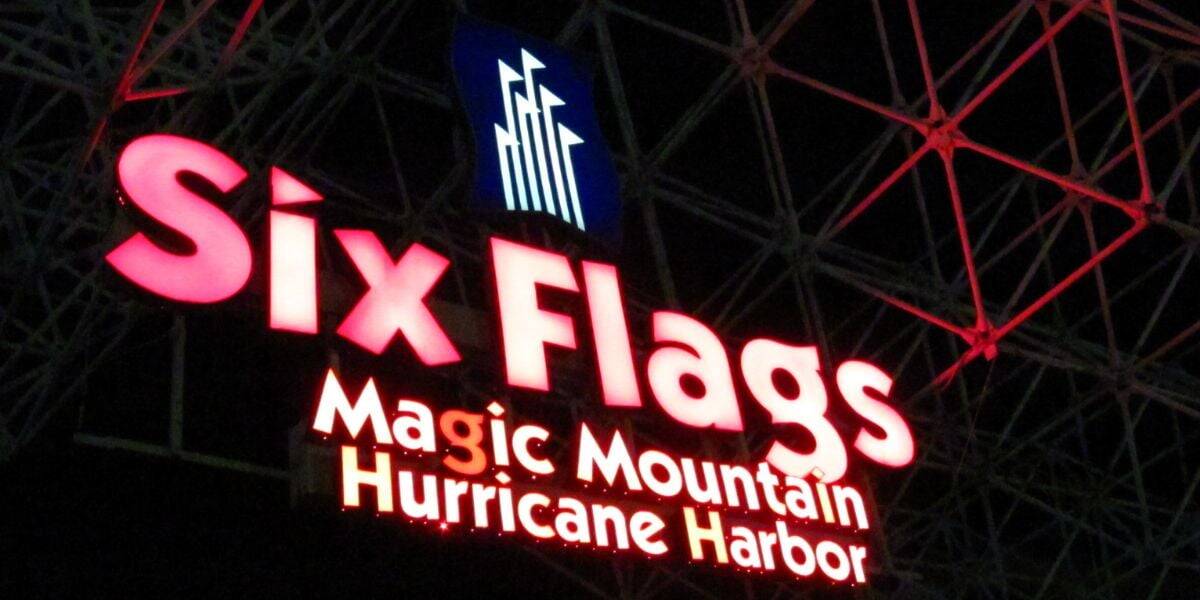
The moment guests arrived at Six Flags Magic Mountain this morning, a sense of unease spread through the crowd: the gates were closed. Phones snapped pictures, social feeds lit up, and rumors swirled. Could this be another Six Flags park permanently shuttering after the recent closure of Six Flags America in Maryland? Or was the timing just an unfortunate coincidence?
Behind the gates, a more complex story was unfolding — one that connects corporate missteps, investor lawsuits, and a company struggling to stabilize after a massive merger.

Six Flags’ Legal Troubles Come to Light
Just last week, a federal class-action lawsuit filed by the municipal pension fund of Livonia, Michigan, accused Six Flags Entertainment Corporation and top executives of misleading investors about the true state of the parks prior to its July 2024 merger with Cedar Fair.
The lawsuit claims Six Flags submitted a “negligently prepared” merger statement to the SEC, allegedly hiding years of deferred maintenance, underinvestment, and operational shortcomings in legacy parks. Investors were led to believe the company had made “transformational investments,” when in reality, executives like former CEO Selim Bassoul had cut staff and delayed essential upgrades — moves that, the complaint argues, hurt both guest experience and operational efficiency.
Current CEO Richard Zimmerman is also named in the suit, which seeks class-action status for all who purchased Six Flags stock before the merger. With share prices falling from $55 at the merger to roughly $16 as of November 12, the potential losses for investors are staggering.

Financial Pressures Intensify
The lawsuit comes on the heels of disappointing quarterly results. Despite a modest 1% increase in attendance, Six Flags posted a $1.2 billion loss for the quarter ending September 28. Executives have since acknowledged the need to focus investment dollars strategically, targeting underperforming parks while potentially selling off others to reduce debt.
It’s a strategy that may reshape the company’s portfolio, but it also raises questions about long-term stability for fans and investors alike.

Six Flags America Closure
The financial strain is already manifesting in real-world consequences. On November 2, Six Flags permanently closed Six Flags America and Hurricane Harbor in Bowie, Maryland. The park had a long history, dating back more than 50 years as a drive-thru safari before joining the Six Flags family in 1999.
The permanent closure left fans and industry watchers on edge — a reminder that even storied parks are not immune from broader corporate pressures.

The Real Reason Magic Mountain Closed
So what about today’s unexpected closure at Magic Mountain? While the timing sparked anxiety across social media, the reality is far less alarming: the park is closed only due to inclement weather. Guests with tickets for November 14, 2025, can redeem them on any public operating day through December 31, 2025.
Even so, the temporary shutdown has been amplified by the context surrounding it. In a company already facing legal scrutiny, financial losses, and the permanent closure of a major property, routine operational pauses feel far more significant.

Why Fans and Investors Should Pay Attention
Magic Mountain’s weather-related closure is a stark reminder of how vulnerable Six Flags has become in the eyes of the public. Every news headline, every unexpected closure, now carries the weight of corporate instability.
While thrill-seekers can look forward to riding their favorite coasters once the weather clears, investors and industry observers are left to watch how Six Flags navigates this turbulent period. Legal proceedings, financial restructuring, and strategic park decisions will shape the company for years to come — and today’s closure is just one small piece of a much larger puzzle.